


Digital Skills Redefining Employability
In 2023, a staggering 85% of jobs that will exist in 2030 have not yet been invented, according to the World Economic Forum. This statistic underscores a critical shift in India’s job market, where traditional views on employability are being challenged. Employers are no longer solely focused on degrees; they seek candidates who possess a blend of digital fluency, research skills, and adaptability. Dr. Jatinderkumar R. Saini emphasizes that education must integrate these digital concepts to foster continuous learning, stating, “The expectations from graduates today extend beyond academic qualifications to their ability to navigate a digital landscape effectively.”
The demand for digital skills is not confined to technology roles. Industries such as finance, healthcare, and manufacturing now require workers adept at using digital tools and data analytics. A recent study from ScienceDirect reveals that graduates with strong digital skills are 40% more likely to secure employment in the context of Industry 4.0, where adaptability and continuous learning are vital for success. This shift necessitates that educational institutions adapt their curricula to meet these new expectations, ensuring graduates not only understand technology but also grasp the principles driving its application.
Research skills are equally crucial in this evolving landscape. They cultivate critical thinking and problem-solving abilities, preparing graduates for careers that demand innovation and adaptability. Dr. Saini notes that the goal is to ensure students are not just job-ready but also equipped for long-term career resilience. A systematic literature review published in Frontiers in Psychology indicates that digital literacy is closely linked to employability, emphasizing the need for educational frameworks that incorporate digital skills alongside traditional learning.
Integrating Research into Educational Frameworks
Research plays a pivotal role in shaping employability. It encourages analytical thinking and curiosity, essential traits in today’s job market. Exposure to research helps students question assumptions and analyze complex problems—skills that employers highly value. Institutions prioritizing research-led learning can better prepare students for modern workplace demands. For instance, at the Symbiosis Institute of Computer Studies and Research (SICSR), integrating research into the learning process enhances students’ understanding of theoretical concepts while connecting them to practical applications.
As educational institutions align their curricula with industry needs, they must also ensure that students are equipped for lifelong learning, a key factor in navigating future career paths as industries continue to evolve.
Moreover, findings from ScienceDirect reveal a significant gap among vocational education graduates in Indonesia, where high unemployment rates highlight the urgent need for improved employability skills. This situation underscores the importance of integrating digital skills into vocational training programs to enhance job readiness and reduce skill mismatches. As educational institutions align their curricula with industry needs, they must also ensure that students are equipped for lifelong learning, a key factor in navigating future career paths as industries continue to evolve.
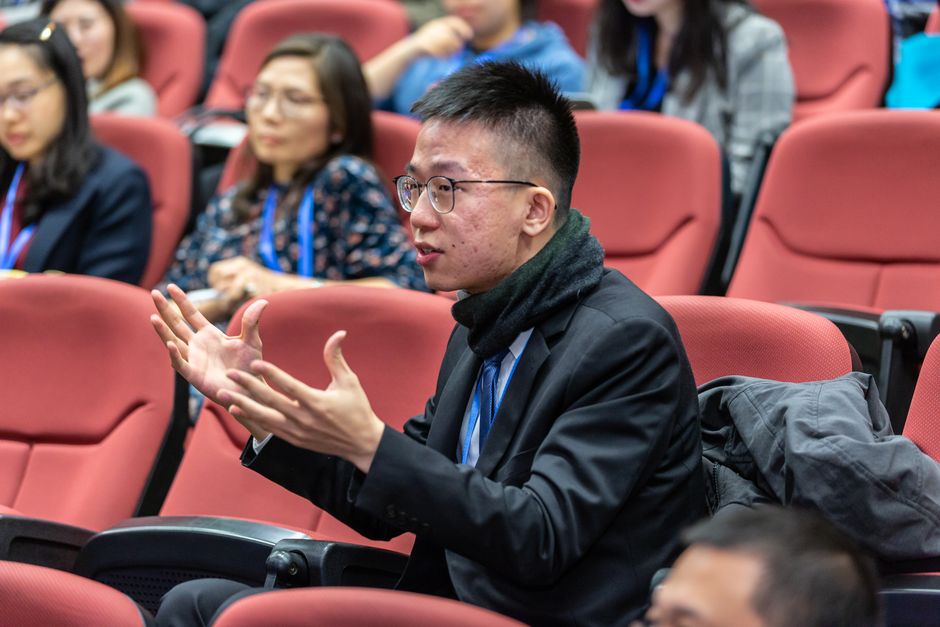 Education & University Insights
India’s Higher Education Agenda Puts Skills, Research and Faculty First
A panel framed the debate around India@2047, while a university chancellor said competitive research ecosystems can take 10–15 years to develop.
Read More →Furthermore, embedding digital literacy into educational frameworks is crucial for developing a workforce that can thrive in an increasingly digital economy. The Economic Times article states that “embedding digital literacy into education can significantly enhance employability,” reinforcing the idea that educational institutions must evolve to meet job market demands. By fostering partnerships with industries, educational institutions can ensure their programs remain relevant and effective, leading to experiential learning opportunities such as internships and projects that provide students with practical experience.
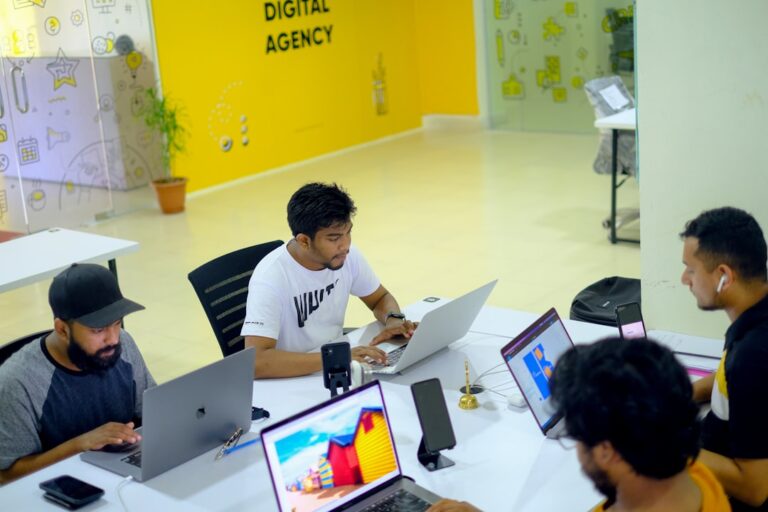
Future Workforce: Embracing Change and Innovation
The implications of these educational shifts are profound. As digital skills and research capabilities become essential for employability, the focus on traditional qualifications may diminish. Employers increasingly seek candidates who can demonstrate their ability to learn and adapt rather than simply possessing a degree. This shift is particularly important in light of rapid technological advancements transforming job roles across various sectors.
As industries continue to evolve, the ability to engage in continuous learning will be paramount. The Economic Times article emphasizes that “the goal is to create a workforce that is not only employable but also capable of contributing meaningfully to society.” This vision aligns with findings from Frontiers in Psychology, which highlight the importance of lifelong learning in today’s job market. Continuous learning is essential for adapting to changing job requirements and ensuring sustained relevance in a digital world.
Future Workforce: Embracing Change and Innovation The implications of these educational shifts are profound.

Ultimately, by reimagining employability through the lens of digital skills and research, India can prepare its graduates for a future marked by innovation and continuous change. The need for educational reforms prioritizing digital literacy and research skills is urgent, as these competencies will define the next generation of job seekers. As Dr. Saini aptly puts it, “The future of work demands a new kind of readiness that transcends traditional educational boundaries.”
Written by Career Ahead AI. AI can make mistakes, so verify key facts. Report errors to support@careeraheadonline.com.





