No products in the cart.

China’s Self-Reliance Initiative Reshapes Trade Dynamics with Europe
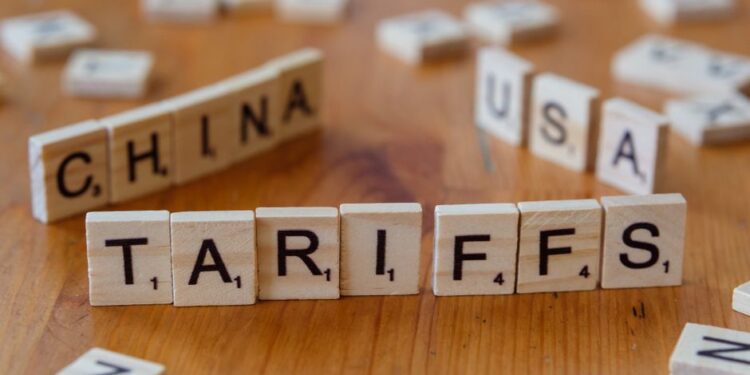
China's push for self-reliance is altering trade dynamics with Europe, leading to increased tariffs and a shift in sourcing strategies for manufacturers. This trend demands new approaches to local production and supply chain management.

China has intensified its self-reliance initiative, impacting trade relations with Europe. This initiative aims to reduce dependence on foreign technology and goods. It has led to increased tariffs on Chinese imports into Europe, reshaping the landscape for manufacturers and supply chain managers.
Recent developments in trade policies highlight the urgency of this situation. As China strengthens its domestic industries, European countries face rising costs and changing supply dynamics. This shift is crucial now, as global economic conditions fluctuate and businesses seek stability in their supply chains.
Tariffs and Cost Structures: A New Reality for European Manufacturers
In response to China’s self-reliance push, European governments have raised tariffs on several Chinese goods. These tariffs aim to protect local industries and have changed cost structures for many manufacturers. According to Career Ahead’s analysis of data from orcasia.org, the average tariff on Chinese imports has risen by 15% in the past year. This increase directly impacts product pricing in Europe, making it harder for manufacturers to stay competitive.
The rise in tariffs has pushed European businesses to explore alternative sourcing strategies. Many manufacturers are now diversifying their supply chains. They seek suppliers in countries with lower tariffs or consider reshoring production to Europe. This shift aims to lessen the impact of tariffs and improve supply chain resilience against future disruptions.
Career Ahead research shows that the trend toward local production is gaining momentum among European manufacturers. Companies are investing in domestic facilities to reduce reliance on imports. For instance, several automotive manufacturers are increasing production in Eastern Europe. They capitalize on skilled labor and lower operational costs. This move reflects a broader strategy to adapt to the changing trade landscape.
As European manufacturers adjust to these new realities, they face the challenge of balancing cost and quality. Transitioning to local production may require higher initial investments. However, the long-term benefits of reduced tariff exposure and improved supply chain stability could outweigh these costs. The key question is: how quickly can these manufacturers adapt to this new environment?
Career Ahead research shows that the trend toward local production is gaining momentum among European manufacturers.
Shifts in Sourcing Strategies: Navigating a Changing Landscape
You may also like
 Industry & Global Trends
The Impact of Sequoia and Nvidia’s Funding on Robotics Jobs
Sequoia Capital and Nvidia's $60 million investment in Mecka AI is set to transform the robotics job market, creating new opportunities for skilled professionals in…
Read More →The rising tariffs and the push for self-reliance have caused a significant shift in sourcing strategies among European manufacturers. Many are now prioritizing suppliers from countries with favorable trade agreements or lower tariffs. This shift focuses not only on cost but also on building resilient supply chains that can withstand geopolitical tensions.
A report from cambridge.org indicates that China’s self-reliance drive has prompted European companies to rethink their supply chains. Manufacturers now prefer to partner with suppliers in neighboring regions, such as Southeast Asia. This strategy helps mitigate risks from heavy reliance on Chinese imports. It aligns with the broader trend of regionalization in global trade.
Moreover, the focus on local production capabilities is reshaping the competitive landscape. Companies that invest in local production can respond more swiftly to market demands. This agility is vital in industries where speed-to-market is crucial for success.

However, the transition comes with challenges. Supply chain managers must navigate a complex web of regulations, tariffs, and logistical hurdles. Establishing new partnerships or relocating production requires comprehensive market research and risk assessment.
As these shifts unfold, the implications for European manufacturing executives are significant. They must adapt to new sourcing strategies and understand the geopolitical landscape that influences trade dynamics. Anticipating changes and responding proactively will be essential for maintaining competitiveness in this evolving environment.
Wider Economic Implications: The Future of European Trade The broader economic implications of China’s self-reliance initiative extend beyond individual manufacturers.
Wider Economic Implications: The Future of European Trade
The broader economic implications of China’s self-reliance initiative extend beyond individual manufacturers. As trade dynamics shift, entire industries may face disruption. A recent analysis from cepr.org suggests that the self-reliance drive could reconfigure supply chains globally, affecting Europe and other regions reliant on Chinese goods.
This reconfiguration presents both challenges and opportunities. Some industries may experience increased costs and disruptions, while others may find chances to fill gaps left by reduced Chinese supply. For example, European tech companies might discover new markets for their products as they move away from reliance on Chinese components.
You may also like
 Industry & Global Trends
RBI Rate Hike Signals Shift to Calibrated Tightening
The RBI's adjustment was largely anticipated, but the emphasis on calibrated tightening caught many by surprise. This change suggests that the central bank is prioritizing…
Read More →Additionally, the political landscape is shifting. European policymakers are increasingly focused on enhancing trade relations with alternative partners, such as India and ASEAN countries. This shift could lead to new trade agreements and partnerships that reshape Europe’s economic landscape.

Many European manufacturers and supply chain managers now face the challenge of navigating this changing environment. Adapting to new trade dynamics and seizing emerging opportunities will be crucial for success in the coming years.
As Europe grapples with these changes, the future of trade relations with China remains uncertain. Will the self-reliance initiative lead to a permanent shift in trade dynamics, or will it be a temporary response to current pressures? The answers to these questions will shape the strategies of European manufacturers and supply chain managers for years to come.
As Europe grapples with these changes, the future of trade relations with China remains uncertain.
Frequently Asked Questions
What are the implications of China’s self-reliance for European manufacturing executives?
China’s self-reliance initiative is reshaping trade dynamics. It leads to increased tariffs and a shift in sourcing strategies. European manufacturing executives must adapt to these changes to stay competitive and ensure supply chain resilience.
How should supply chain managers adapt to changes in trade with China?
Supply chain managers should diversify their supplier base and explore local production capabilities. Partnering with suppliers in neighboring regions can help mitigate risks from heavy reliance on Chinese imports.

What strategies can manufacturing executives implement to mitigate risks from China’s trade policies?
Manufacturing executives can invest in domestic production facilities and build partnerships with suppliers in regions with favorable trade agreements. This approach enhances supply chain resilience and reduces exposure to tariffs.
You may also like
 Industry & Global Trends
China’s AI Talent Shortage Amid U.S. Competition
China is struggling to attract foreign AI researchers despite a booming local sector, highlighting a significant gap in competitive incentives compared to the U.S. The…
Read More →