California representative Kevin Mullin's proposed legislation aims to establish minimum safety standards for autonomous vehicles, highlighting the tension between federal support and local regulations.
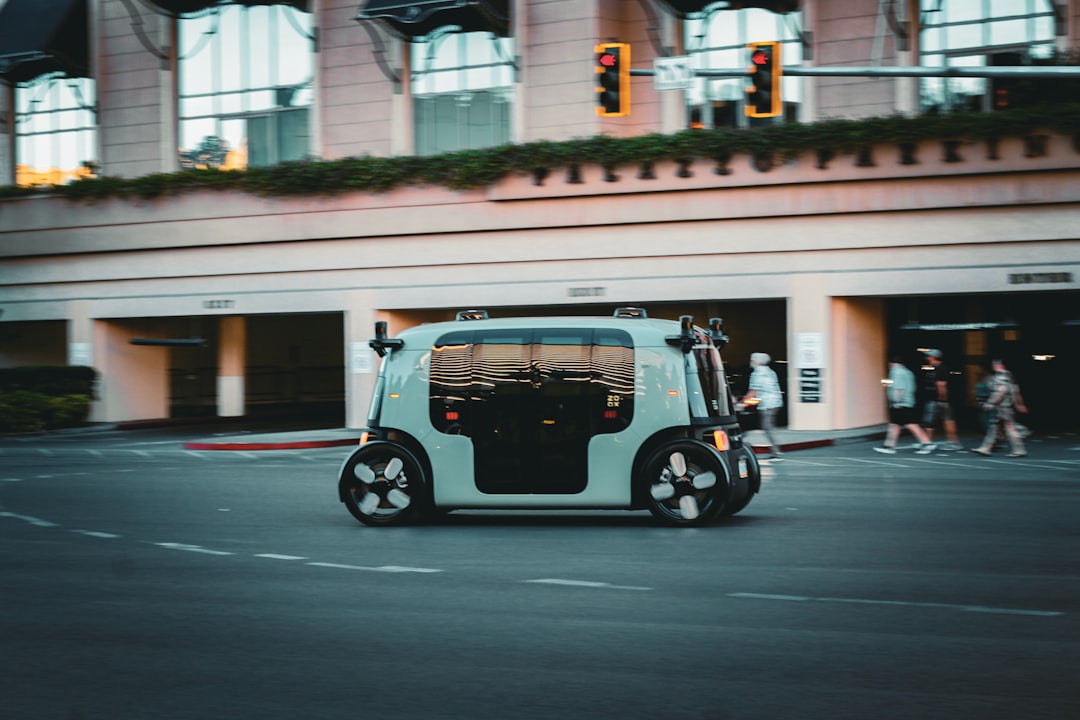
U.S. federal regulators are speeding up the approval process for robotaxi technologies. At the same time, local governments are tightening restrictions. The National Highway Traffic Safety Administration (NHTSA) has given Zoox a temporary exemption from several federal safety standards. This allows the company to charge for rides in its autonomous vehicles. This decision is a major step toward commercial robotaxis, with paid rides expected to start in Las Vegas soon. However, local concerns about safety and emergency response protocols are leading to stricter regulations.
To address these concerns, California representative Kevin Mullin proposed legislation. This legislation directs federal regulators to set minimum safety standards for autonomous vehicle operations. This proposal follows incidents where autonomous vehicles, including those from Waymo, blocked emergency responders during critical situations. The contrast between federal support and local caution highlights the complex regulatory landscape for robotaxi companies. According to TechCrunch, while the federal government wants to speed up autonomous technology development, state and local officials are increasingly worried about its implications. This creates a regulatory environment that is far from uniform.
Balancing Innovation and Safety in Robotaxi Deployment
Recent developments highlight a key tension in the autonomous vehicle industry. There is a need to balance innovation with public safety. The NHTSA’s actions show a commitment to advancing robotaxi technology. However, local governments are responding to real incidents that raise questions about these systems’ reliability. For example, after a Waymo robotaxi became stuck in heavy traffic, blocking key streets, San Francisco officials called for stricter regulations. Such incidents fuel public skepticism and stress the need for strong safety measures.
Career Ahead’s analysis finds that the regulatory environment for robotaxis will greatly affect engineering roles in the sector. Engineers will need to adapt to changing safety standards and ensure compliance with both federal and local regulations. This focus on innovation and compliance will require a shift in how engineering teams develop autonomous systems. They must emphasize not only technological advancement but also safety and reliability. TechCrunch highlights that the NHTSA’s recent decisions to streamline processes for companies like Zoox represent a significant shift. However, these decisions also raise questions about the adequacy of existing safety measures.
As companies like Zoox prepare to launch their services, they must consider how local regulations may impact their strategies. Successfully navigating this complex landscape will be crucial for success in the competitive robotaxi market. Companies that balance innovation with compliance are likely to gain an edge. This is especially important as the market is expected to grow rapidly, with significant investments flowing into the sector. The relationship between regulatory compliance and technological advancement will shape the strategies of new players in the robotaxi space.
As demand for skilled engineers in the autonomous vehicle sector rises, educational institutions may need to adjust their programs.
The plaintiffs, Chegg, an education technology company, and Penske Media Corporation, which owns Rolling Stone, claimed that Google's AI Overviews diverted web traffic away from…
This regulatory tug-of-war also affects workforce development. As demand for skilled engineers in the autonomous vehicle sector rises, educational institutions may need to adjust their programs. They should focus on safety standards, regulatory compliance, and the ethical implications of AI in transportation. As TechCrunch notes, engineers who can navigate both technical and regulatory landscapes will be essential as the industry evolves.
Market Competition and Regulatory Challenges
The competition for robotaxi market share is heating up amid these regulatory challenges. Zoox’s recent breakthrough with the NHTSA gives it a significant advantage over rivals like Waymo and Uber. However, these companies face scrutiny regarding their interactions with emergency responders. As they expand their services, they must navigate a patchwork of regulations that can vary greatly from one locality to another.
Waymo, for example, has faced increased scrutiny after incidents involving its robotaxis. The California state government has urged the company to improve its systems to avoid future disruptions. This signals that compliance with local laws will be critical for its operations. This situation creates a unique challenge for transportation policy analysts, who must evaluate how these regulations impact market dynamics. TechCrunch highlights that the differing approaches of federal and local regulators create a complex environment for companies to navigate.
Career Ahead research indicates that competition among robotaxi operators will likely lead to more investment in safety technologies. Companies may prioritize developing systems that enhance communication with emergency responders and improve overall reliability to reduce regulatory risks. This trend could also increase demand for engineers specializing in safety-critical systems, creating new job opportunities. As the landscape evolves, companies must proactively address regulatory concerns to keep their operational licenses.
As more players enter the robotaxi market, there may be a push for standardized regulations across states. A unified regulatory framework could lessen the compliance burden on companies and speed up service deployment. However, achieving consensus among federal and state regulators, local governments, and industry players will be complex. Ongoing dialogue between these groups will be essential in shaping the future of robotaxi regulations.
Gadkari's remarks come in the wake of a growing push for renewable energy sources in India, particularly in the agricultural sector. The minister noted that…
Ongoing dialogue between these groups will be essential in shaping the future of robotaxi regulations.
As the robotaxi sector evolves, the interplay between innovation, regulation, and market competition will shape its future. Companies that navigate this landscape effectively will be better positioned to seize emerging opportunities. While the current regulatory environment poses challenges, it also opens doors for innovation in safety technologies and engineering practices. Adapting to changing regulations will be crucial for success as the industry moves forward.
Frequently Asked Questions
What are the key regulations affecting robotaxi deployment?
Career Ahead’s analysis shows that key regulations include federal exemptions from the NHTSA. These exemptions allow companies like Zoox to operate commercially. Local safety standards vary by state and can significantly impact how robotaxi services are launched across different regions.
How do technological advancements in robotaxis impact engineering roles?
As the robotaxi industry evolves, engineers must develop systems that comply with both federal and local regulations. This includes integrating safety features that address regulatory concerns, which may require new skills and knowledge in regulatory compliance.
What should transportation policy analysts consider when evaluating robotaxi regulations?
Transportation policy analysts should assess the balance between promoting innovation and ensuring public safety. They must also consider how local regulations impact market competition and operational strategies for robotaxi companies.



Government & Policy
Government & Policy