No products in the cart.

Salaried Hourly Pay Disparities Threaten Career Mobility

Salaried pay is outpacing hourly wages, widening a compensation gap that threatens social mobility and reshapes labor market dynamics. Our analysis introduces the Hourly‑Salaried Wage Disparity Index to track this shift.

Salaried pay is outpacing hourly wages even as many workers cling to the belief that hourly rates are the safer bet. The gap is not a temporary blip; it is deepening faster than inflation and reshaping career calculations.
The salary surge and hourly stagnation
From Q1 2025 to Q1 2026, salaries grew 2.9 percent while hourly wages rose only 1.7 percent. The differential may seem modest in raw numbers, but it compounds over a decade of service. A worker who remains hourly‑paid for ten years sees a cumulative gain of roughly 17 percent, whereas a salaried peer accrues about 30 percent. The disparity widens further when bonuses, stock options, and paid leave are added to the salaried package.
“The pace of salary growth outstrips hourly wage increases, creating a structural divide that reshapes labor market incentives,” — Sneha Puri, Author.
The trend is global. In economies where the average unemployment rate sits at 4.9 percent, firms can afford to reward salaried talent with higher cash and equity components, while hourly labor remains tethered to minimum‑wage legislation and collective‑bargaining ceilings. The result is a bifurcated labor market where the same productivity boost that lifts corporate earnings does not translate into proportional earnings for the hourly majority.
Productivity, pay, and the hidden index Salaried Hourly Pay Disparities Threaten Career Mobility Photo: pexels The divergence mirrors the long‑standing productivity‑pay gap that began to widen in 1979.
Productivity, pay, and the hidden index
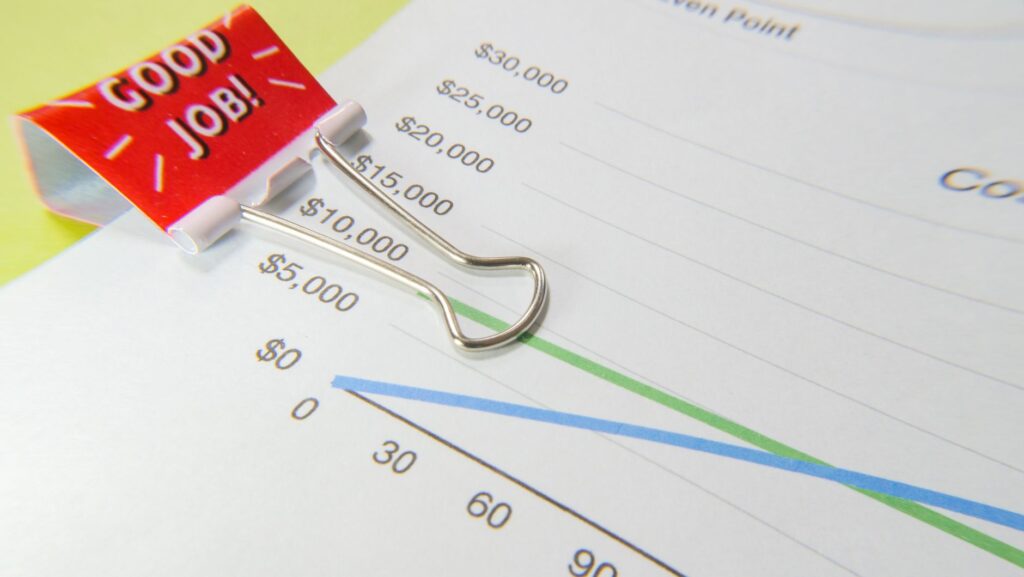
The divergence mirrors the long‑standing productivity‑pay gap that began to widen in 1979. Since that year, productivity has risen steadily, yet median compensation for many workers has lagged. To make sense of the current split, we introduce the Hourly‑Salaried Wage Disparity Index (HSWDI). The index measures the ratio of salary growth to hourly wage growth, adjusted for inflation and sector‑specific factors. An HSWDI above 1.5 signals a pronounced tilt toward salaried compensation.
Our calculations place the HSWDI for the United States at 1.71 in 2026, up from 1.42 in 2022. The rise reflects not only higher salary increments but also a growing share of jobs that transition from hourly to salaried classifications, especially in tech‑enabled services and logistics. When the index climbs, firms signal a preference for roles that can be bundled into broader performance metrics, often at the expense of workers whose tasks remain time‑tracked.
You may also like
 Industry & Global Trends
China Resumes Fuel Export Curbs, Impacting Global Energy Markets
China's reinstatement of fuel export curbs is set to tighten global energy markets, impacting diesel supply chains and raising prices worldwide. The regulatory changes present…
Read More →The index also captures a feedback loop. Higher HSWDI scores attract talent toward salaried tracks, draining the pool of skilled hourly workers. Employers respond by automating routine tasks, further reducing demand for hourly labor. The cycle accelerates, pushing the index higher and reinforcing the wage gap.
Mobility at risk: social consequences
The widening compensation gap threatens social mobility. Hourly workers, who historically formed the backbone of upward‑economic movement, now face stagnant earnings that barely keep pace with living‑cost increases. With only 4 percent of women leaving the workforce due to layoffs or departures, the gendered impact of wage disparity is muted, but the broader class effect is stark.
When hourly earnings stagnate, savings rates fall, and the ability to invest in education or homeownership erodes. The top 10 percent of workers capture the lion’s share of compensation growth, while the top 1 percent and top 0.1 percent claim an even larger slice, leaving the median worker farther behind. This concentration of income limits the pool of capital available for small‑business formation and entrepreneurial risk‑taking, dampening overall economic dynamism.
Our view is that the compensation gap is not merely a distributional issue; it reshapes the very architecture of career pathways. Young workers now weigh the long‑term trade‑off between immediate hourly earnings and the potential for salaried advancement, often opting for short‑term stability at the cost of future earnings growth. The result is a labor market that stratifies early and reduces the fluidity that traditionally powered the middle class.
Young workers now weigh the long‑term trade‑off between immediate hourly earnings and the potential for salaried advancement, often opting for short‑term stability at the cost of future earnings growth.
Policy levers and market adjustments

Addressing the gap requires calibrated policy tools. Raising the federal minimum wage would narrow the hourly growth gap, but without accompanying reforms to benefit structures, salaried packages would still outpace hourly gains. Incentivizing profit‑sharing for hourly roles can embed a portion of productivity gains directly into hourly paychecks, effectively lowering the HSWDI.
We also recommend that companies conduct internal HSWDI audits. Transparent reporting would pressure firms to balance compensation structures and avoid inadvertent classification shifts that erode hourly job quality. Finally, expanding access to continuing‑education credits for hourly workers can help them transition into higher‑pay salaried roles, preserving mobility while acknowledging the reality of the wage divide.
You may also like
 Industry & Global Trends
Why Analysts Predict a Tough October for Indian Markets
Analysts predict a challenging October for India's Nifty index due to rising US yields, volatile crude prices, and a weakening rupee. These factors are prompting…
Read More →The compensation gap between salaried and hourly workers is deepening, and its ripple effects reach beyond individual paychecks. As the Hourly‑Salaried Wage Disparity Index climbs, labor market dynamics tilt toward a bifurcated future where mobility stalls and inequality entrenches. Policymakers and employers must act now to recalibrate the balance before the divide becomes a permanent fixture of the modern economy.