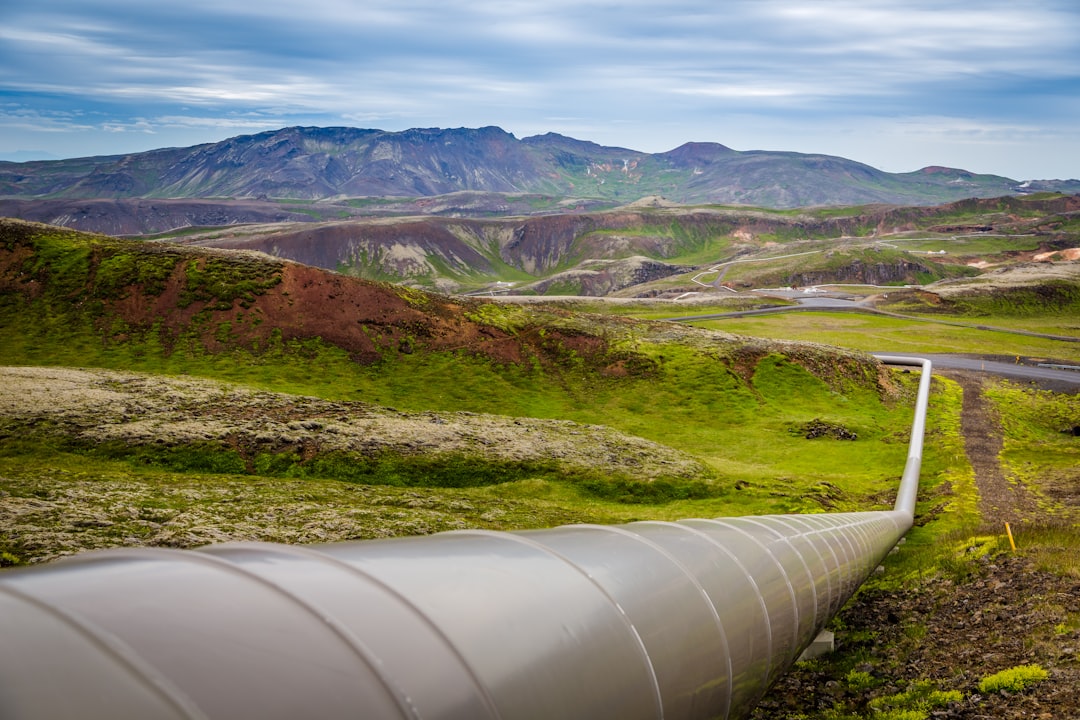
The recent attacks on Saudi pipelines have raised concerns about oil supply stability, which could result in higher global oil prices. Energy economists and supply chain managers must prepare for potential market volatility as these disruptions unfold.
Saudi Arabia faced serious pipeline attacks on September 15, 2026. This has raised fears of major disruptions in global oil supply. Damage to the East-West pipeline, vital for oil transport, could push prices to their highest levels in months. Analysts are watching the situation closely as it develops.
The Houthi forces are blamed for the attacks. Satellite images show extensive damage to the pipeline, which transports oil from the Eastern provinces to the Red Sea. Estimates suggest repairs could take weeks, leading to possible supply shortages and price spikes.
Impact on Oil Price Forecasting Models
The recent pipeline attacks have immediate effects on oil price forecasting models. Career Ahead’s analysis shows that disruptions like this usually lead to higher volatility in oil prices. Historical data indicates similar events have caused price surges of up to 20% within weeks.
Energy economists must adjust their models to consider potential supply constraints. The East-West pipeline is crucial for Saudi oil exports. A prolonged shutdown could severely limit global supply. Career Ahead’s research suggests oil prices could exceed $100 per barrel if the situation worsens, affecting consumers and industries that rely on stable energy costs.
Forecasting models will need to focus more on geopolitical risks. The attacks highlight a growing trend of instability in the region. Analysts must consider both the immediate impact of the pipeline damage and the risk of further conflict. This requires a deep understanding of market dynamics and geopolitical factors.
Additionally, oil market analysts should work on improving their predictive abilities.
Additionally, oil market analysts should work on improving their predictive abilities. Incorporating real-time data and scenario analysis will be key to providing accurate forecasts in this rapidly changing environment.
The recent leadership change at Warner Studios, involving the integration of Paramount executives, is set to reshape production strategies and project approvals, signaling a shift…
The East-West pipeline disruption raises serious concerns about supply chain stability in the energy sector. As oil prices rise, supply chain managers must adapt their strategies to handle potential shortages. The effects of these attacks could impact various sectors, from transportation to manufacturing.
Career Ahead’s analysis shows that supply chain disruptions often lead to higher operational costs. Companies may need to find alternative suppliers or invest in inventory management. This could result in higher prices for consumers as companies pass on increased costs.
Moreover, uncertainty in oil supply can change demand patterns. Industries that heavily rely on oil, like transportation and logistics, may feel pressure to find alternative energy sources. This shift could speed up the adoption of renewable energy solutions as companies aim to reduce dependence on unstable oil supplies.
As companies cope with rising costs and supply chain challenges, they may need professionals skilled in supply chain management and energy forecasting.
Job market shifts are also expected in the energy sector. As companies cope with rising costs and supply chain challenges, they may need professionals skilled in supply chain management and energy forecasting. Career Ahead has identified that roles focused on risk management and strategic sourcing will become increasingly valuable.
Wider Economic Implications and Future Outlook
The economic implications of rising oil prices from these pipeline attacks are significant. Higher oil prices can create inflationary pressures across the economy, affecting transportation costs and consumer goods. Energy economists warn that sustained price increases could slow economic growth, especially in oil-importing countries.
Additionally, the geopolitical landscape may change as nations react to potential oil price increases. Countries that rely on oil imports might seek to diversify their energy sources or negotiate new agreements for stable supplies. This could reshape global energy alliances and affect trade dynamics.
Looking ahead, analysts will closely monitor any signs of escalation in the region. The risk of further attacks or retaliatory measures could worsen supply concerns and push prices higher. Career Ahead’s analysis suggests that market participants should stay alert and prepare for ongoing volatility in oil prices.
Career Ahead’s analysis indicates that rising oil prices can lead to inflation and affect economic growth forecasts.
The tightening of bench policies in India's IT sector reflects a significant transformation in workforce management, impacting job security and project allocation.
The situation is fluid, and the long-term effects of these pipeline attacks on the global oil market are still unclear. How governments and companies respond to these challenges will be crucial in shaping the future of the energy landscape.
Frequently Asked Questions
What are the implications of rising oil prices for energy economists?
Career Ahead’s analysis indicates that rising oil prices can lead to inflation and affect economic growth forecasts. Energy economists must adjust their models for potential supply disruptions and their broader economic effects.
How should supply chain managers adjust strategies in response to oil price changes?
Supply chain managers need to create contingency plans to handle rising oil prices. This may include diversifying suppliers, optimizing logistics, and investing in alternative energy sources to lessen reliance on oil.
What should oil market analysts consider when forecasting prices after pipeline disruptions?
Oil market analysts should include geopolitical risks and real-time data in their forecasting models. Understanding the potential for further disruptions and adjusting price projections will be crucial in this volatile environment.



 Industry & Global Trends
Industry & Global Trends