No products in the cart.

SBI Employees Plan Two-Day Strike Over Key Demands
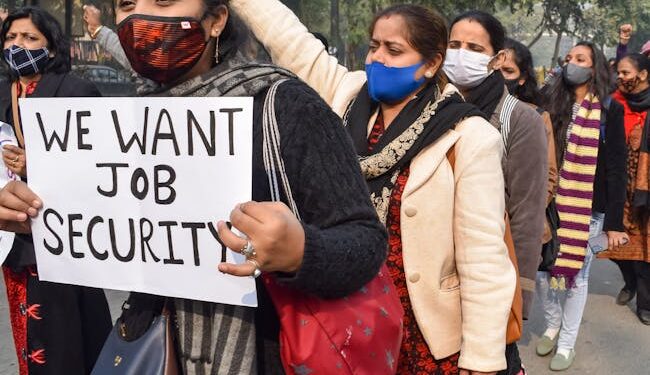
India — Employees of the State Bank of India (SBI), the country’s largest public-sector lender, are gearing up for a nationwide strike on May 25 and 26, 2026. This action comes as a response to long-standing grievances regarding working conditions, job security, and perceived administrative neglect. The All India State…

India — Employees of the State Bank of India (SBI), the country’s largest public-sector lender, are gearing up for a nationwide strike on May 25 and 26, 2026. This action comes as a response to long-standing grievances regarding working conditions, job security, and perceived administrative neglect. The All India State Bank of India Staff Federation (AISBISF) has organized this protest to highlight what they describe as anti-employee policies that threaten the institution’s integrity and the welfare of its staff.
The AISBISF’s decision to strike follows a circular issued on May 2, which outlines their demands and expresses frustration over the bank management’s failure to address employee concerns. According to the federation, the ongoing reliance on outsourcing for permanent jobs undermines job security and the dignity of work within the bank. The employees argue that these practices not only affect their livelihoods but also raise serious questions about customer data handling and accountability.
Key Demands of the SBI Employees
The AISBISF has articulated 16 key demands that they seek to be fulfilled by the bank’s management. Among these demands is the recruitment of messengers and armed guards, which the union claims is essential for maintaining a stable workforce. Additionally, they are calling for a stop to the outsourcing of permanent jobs, which they argue compromises job security and the quality of service provided to customers.
Other notable demands include a review of the career progression scheme and improvements to the medical reimbursement scheme. The federation also seeks to address longstanding HR issues that have impacted employee morale and job satisfaction. These demands reflect a broader concern about the treatment of employees in public sector banks, particularly in light of increasing privatization and outsourcing trends.
Historical Context of SBI’s Employment Practices
For nearly three decades, SBI has faced criticism for its hiring practices, particularly the freeze on recruiting messengers. This freeze has effectively eliminated an entire cadre of workers, limiting opportunities for underprivileged sections of society. The AISBISF argues that this long-standing issue has created a workforce that is over-reliant on temporary and contractual arrangements, which can lead to instability and insecurity for employees. As noted in a report by Mint, the union’s concerns are not isolated; they reflect a growing trend within public sector banks in India, where outsourcing has become increasingly common.
This shift raises critical questions about the future of work in the banking sector and the balance between efficiency and employee welfare.
As banks seek to cut costs and increase efficiency, many have turned to outsourcing, which can exacerbate job insecurity for existing employees. This shift raises critical questions about the future of work in the banking sector and the balance between efficiency and employee welfare. The AISBISF’s stance against outsourcing is particularly poignant as it underscores the potential risks to customer data handling and accountability, an issue that has gained prominence in recent years.
You may also like
 Entrepreneurship & Business
Marico Boosts Plix Stake to 84.09%; Q2 Revenue Surge Ahead
Marico has increased its stake in Satiya Nutraceuticals to 84.09%, a strategic move expected to enhance revenue growth amid rising consumer demand for health-focused products.…
Read More →
Wider Implications for the Banking Sector
The impending strike by SBI employees could have significant implications for the banking sector in India. As the largest public sector bank, SBI’s actions often set a precedent for other banks in the industry. If the strike garners widespread support, it may encourage similar movements among employees in other banks facing similar issues.
Moreover, the protest highlights the ongoing struggle for worker rights within the public sector, particularly in the face of increasing privatization and market-driven policies. As banks continue to evolve in response to economic pressures, the balance between profitability and employee welfare will remain a contentious issue. The outcome of the strike could influence future policies regarding employment practices in the banking sector.
Potential Impact on Customers and Services
Customers of SBI may experience disruptions during the strike, as employees withdraw their services in protest. This could lead to delays in banking operations, affecting everything from cash withdrawals to loan processing. The AISBISF has indicated that they will engage in a series of protests leading up to the strike, including demonstrations and social media campaigns, to raise awareness of their demands.
The bank’s management will need to navigate the delicate balance between addressing employee grievances and maintaining customer satisfaction.
While the strike aims to address employee concerns, it also raises questions about the impact on customer service. The bank’s management will need to navigate the delicate balance between addressing employee grievances and maintaining customer satisfaction. How SBI responds to these challenges will be crucial in shaping its reputation and operational efficiency in the future.
You may also like
 Entrepreneurship & Business
College Students Shape the Future of A.I. Investment
College students are increasingly influencing the A.I. investment landscape, with initiatives like Dorm Room Fund raising substantial capital. This shift highlights the growing importance of…
Read More →Why This Matters to Young Professionals
The upcoming strike by SBI employees is not just a labor issue; it resonates with young professionals and job seekers across India. As the landscape of employment shifts, understanding the dynamics between labor rights and corporate policies becomes increasingly important. This situation exemplifies the challenges faced by workers in a rapidly changing economy, where job security is often at risk.
For young professionals entering the workforce, the SBI strike serves as a reminder of the importance of advocating for fair working conditions and employee rights. As industries evolve, the need for collective action and solidarity among workers remains vital in ensuring that their voices are heard and their rights protected.
Looking Ahead: The Future of SBI and Its Employees
As industries evolve, the need for collective action and solidarity among workers remains vital in ensuring that their voices are heard and their rights protected.
The outcome of the SBI strike could set significant precedents for labor relations in the banking sector. As employees rally for their demands, the response from SBI management will be closely watched. Will they address the concerns raised by their workforce, or will they continue down the path of outsourcing and administrative neglect?
You may also like
 Entrepreneurship & Business
Earnings Must Validate AI Investments
Tiffany McGhee emphasizes the need for companies to demonstrate the effectiveness of their AI investments in earnings reports, as global AI spending is projected to…
Read More →As this situation unfolds, it raises broader questions about the future of work in India and the role of public sector banks in providing stable employment. The actions taken by SBI in the wake of this strike could either reinforce the status quo or pave the way for meaningful changes in labor practices across the sector.