The Iran-backed Houthi militia announced a Red Sea maritime siege on July 20, 2026, targeting the alternative oil corridor used by Saudi Arabia after the Strait of Hormuz closed.
The Houthi movement announced on July 20, 2026, a maritime siege of the Red Sea, targeting the alternative oil corridor used by Saudi Arabia after the Strait of Hormuz became effectively closed. The declaration follows a sudden escalation that ended a four-year informal truce in Yemen.
The declaration was issued by the Iran-backed Houthi militia in Yemen’s western Hodeidah province on July 20, 2026, stating that they would block commercial shipping in the Red Sea as a response to ongoing hostilities. The threatened siege would affect the Bab al-Mandeb strait, the narrow passage through which Saudi oil tankers have been rerouted since the Iran-Saudi conflict effectively sealed the Strait of Hormuz. The announcement came amid a broader flare-up that began on July 14, 2026, when a sudden military escalation shattered a fragile, informal four-year truce between the Houthi forces and the internationally recognized Yemeni government based in Aden.
The parties involved include the Houthi militia, which receives material support from Iran; the internationally recognized Yemeni government, operating from Aden; and the Kingdom of Saudi Arabia, whose oil export strategy now relies on the Red Sea corridor. The United States and allied naval forces have maintained a presence in the Bab al-Mandeb strait, but no direct confrontation has been reported since the Houthi declaration. The maritime siege threat was communicated through official Houthi channels and reported by regional news agencies and international media on July 20, 2026.
Strategic Context of the Red Sea Route
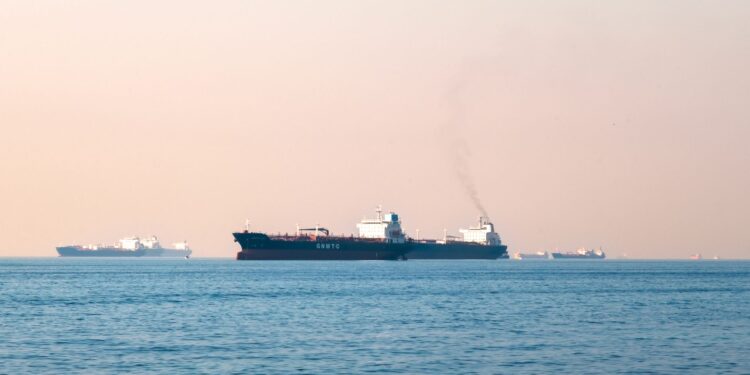
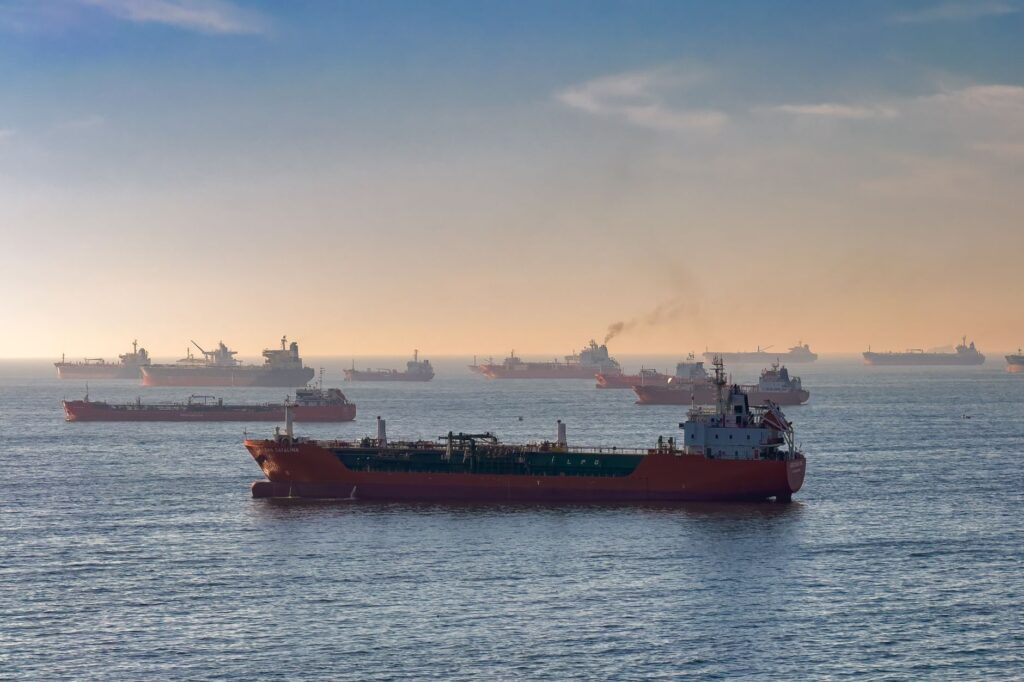
Saudi Arabia redirected a substantial portion of its crude exports through the Red Sea after the Strait of Hormuz became effectively closed in early 2026. The alternative route passes the Bab al-Mandeb strait, a narrow waterway between Yemen and Djibouti that connects the Red Sea to the Gulf of Aden. Since the closure, the Red Sea corridor has carried an estimated 5 million barrels per day of Saudi oil, according to industry analyses.
The Houthi siege declaration targets this corridor, stating that any vessel perceived as supporting the Saudi-led coalition will be denied passage. The militia’s operational capability in the Red Sea includes the use of anti-ship missiles and naval mines, which have been deployed in previous attacks on commercial shipping. The threat raises the risk of disruptions to global oil supply chains, as the Red Sea route is a critical link for European and Asian energy markets.
Strategic Context of the Red Sea Route Saudi Arabia redirected a substantial portion of its crude exports through the Red Sea after the Strait of Hormuz became effectively closed in early 2026.
Immediate Reactions and Diplomatic Activity
Houthi Militia Declares Red Sea Maritime Siege, Threatening Saudi Oil Export Route
U.S. stocks rose following a weak jobs report that tempered expectations for Federal Reserve interest rate hikes. This shift in market sentiment is crucial for…
Following the declaration, the Saudi Ministry of Energy issued a statement confirming that it was monitoring the situation and that contingency plans were in place to safeguard oil shipments. The United Nations Office for the Coordination of Humanitarian Affairs (OCHA) called for restraint and emphasized the need to keep maritime trade lanes open for humanitarian aid. The United States Central Command reported that naval assets would continue to escort commercial vessels through the Bab al-Mandeb, but no additional forces were deployed as of July 21, 2026.
The internationally recognized Yemeni government condemned the Houthi threat, labeling it a violation of international law and a danger to civilian shipping. Iran’s foreign ministry denied direct involvement in the siege announcement, although it reiterated political support for the Houthi cause. Regional diplomatic channels, including Gulf Cooperation Council (GCC) meetings, have scheduled emergency sessions to discuss coordinated responses.
Impact on Education Funding and Stakeholders
The potential disruption of the Red Sea oil corridor is expected to affect global oil prices, as the route accounts for a significant share of Saudi crude exports. Higher oil prices can reduce national fiscal balances for oil-importing countries, which allocate a portion of their budgets to public services, including education. In previous periods of oil price spikes, several governments have adjusted spending priorities, leading to tighter education budgets.
For students and educators, the fiscal pressure may translate into reduced funding for school operations, delayed infrastructure projects, and constraints on scholarship programs that rely on government allocations. International aid organizations that fund education initiatives in low-income regions have noted that fluctuations in oil revenue can influence the size of donor contributions. The current threat therefore adds a layer of financial uncertainty for institutions that depend on stable public financing.
Outlook for Maritime Security and Oil Supply
Houthi Militia Declares Red Sea Maritime Siege, Threatening Saudi Oil Export Route
The Houthi siege declaration introduces a new variable into the already strained global energy market. While Saudi Arabia maintains alternative export pathways, the risk of interdiction in the Red Sea could prompt shipping companies to seek longer, costlier routes around the Cape of Good Hope. The continuation of the siege threat will likely keep energy market observers focused on the Red Sea’s security environment.
Naval escort operations and diplomatic engagements are the primary mechanisms being employed to mitigate the risk. No direct clashes have been reported since the declaration, and commercial vessels have continued to transit the Bab al-Mandeb under escort as of July 22, 2026. The situation remains fluid, and further statements from the Houthi leadership or regional actors could alter the operational posture of maritime security forces.
Anup Bagchi, with over three decades in financial services, is set to lead HDFC Bank starting October 27, 2026, following the retirement of Sashidhar Jagdishan.
Impact on Education Funding and Stakeholders The potential disruption of the Red Sea oil corridor is expected to affect global oil prices, as the route accounts for a significant share of Saudi crude exports.
What: Houthi militia announced a maritime siege of the Red Sea, threatening Saudi Arabia’s alternative oil export route.
When: Declaration made on July 20, 2026; escalation began July 14, 2026.
Impact: Potential oil price increases may affect government education budgets, leading to tighter funding for schools and programs.
World food prices surged in September 2026, reaching their highest level in nearly four years due to extreme weather conditions and rising agricultural input costs.…



 News
News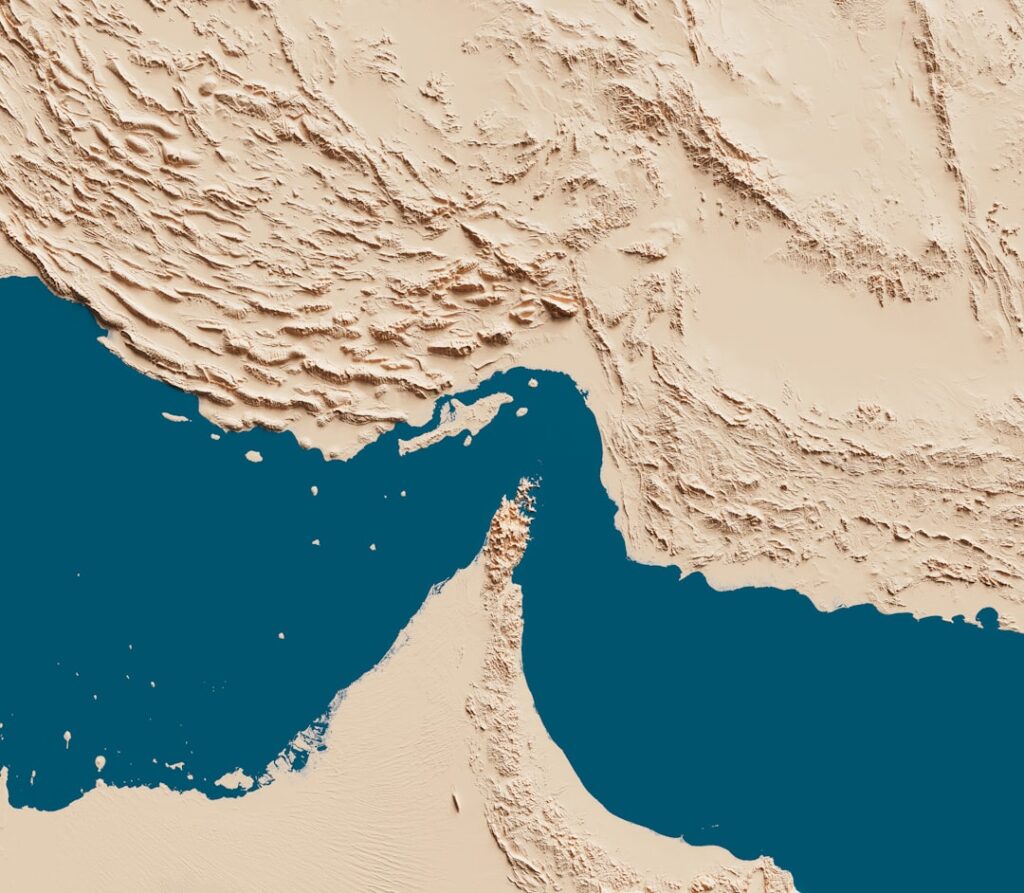
News
 News
News