No products in the cart.

Colleges and K‑12 Schools Deploy Technology to Expand Student Mental‑Health Services
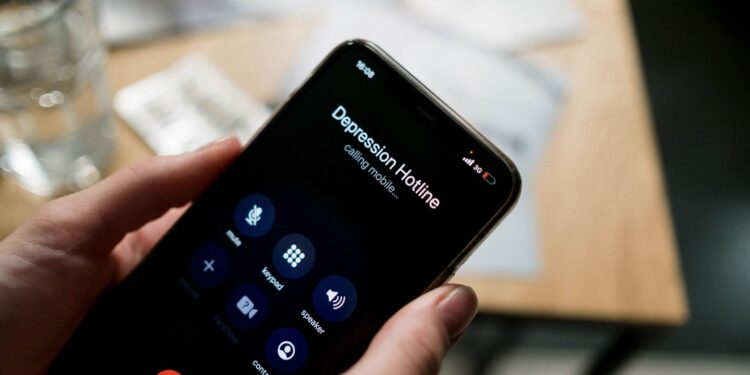
U.S. schools and colleges have launched mental‑health apps, telehealth platforms, and AI‑driven counseling tools to expand student support services.

Schools and universities are adding mental‑health apps, telehealth platforms, and AI‑driven tools to address student well‑being. The rollout includes district‑wide telehealth in Virginia’s Hampton Roads region and campus‑wide digital counseling programs nationwide.
A wave of technology‑based mental‑health initiatives is being introduced across U.S. educational institutions. In the 2025‑2026 academic year, districts and colleges reported the deployment of mobile apps, telehealth services, and AI‑supported counseling tools to serve students from middle school through graduate programs [1][2][4]. The effort coincides with heightened demand for mental‑health resources and reflects a coordinated response by school districts, higher‑education administrators, and private health‑tech firms [1][3][4].
The initiatives involve public school districts in Virginia’s Hampton Roads area, multiple state university systems, private colleges, and a range of commercial mental‑health platforms. Partnerships with health‑care providers and technology vendors enable remote therapy sessions, symptom‑tracking apps, and culturally tailored support for international students [2][3][4]. Implementation began in early 2025, with phased rollouts scheduled through the 2026 academic year [2][4].
Deployment Across K‑12 Districts and Higher‑Education Campuses
In the Hampton Roads region, the Virginia Department of Education authorized a district‑wide telehealth program in January 2025 [2]. The program contracts with regional health networks to provide video‑based counseling, crisis triage, and follow‑up care for students in 12 public schools. Clinics are staffed by licensed psychologists who conduct appointments through a secure platform that integrates with existing student information systems. The district reports that 3,200 students accessed telehealth services within the first six months of operation [2].
At the post‑secondary level, a coalition of 27 colleges announced the adoption of a unified mental‑health app suite in March 2025 [1][4]. The suite combines self‑assessment tools, AI‑driven chat support, and direct scheduling with campus counselors. According to the coalition, more than 45% of enrolled students have downloaded the app, and usage analytics indicate an average of 1.8 sessions per user per month [1][4]. Several universities have integrated the app data with wellness centers to identify at‑risk students and allocate resources accordingly [4].
International‑student support programs have also incorporated technology. A consortium of universities reported the launch of multilingual counseling portals in September 2025 [3]. The portals provide translation‑enabled chat, culturally specific resource libraries, and virtual group sessions for students from over 60 countries [3]. The consortium cites an increase in utilization among international students, with 2,100 unique sessions recorded in the first quarter after launch [3].
According to the coalition, more than 45% of enrolled students have downloaded the app, and usage analytics indicate an average of 1.8 sessions per user per month [1][4].
How Technology Enables Service Delivery

You may also like
 News
NewsAnup Bagchi Takes Charge as HDFC Bank MD & CEO
Anup Bagchi, with over three decades in financial services, is set to lead HDFC Bank starting October 27, 2026, following the retirement of Sashidhar Jagdishan.
Read More →The mental‑health apps referenced by Education Week employ evidence‑based therapeutic modules, such as cognitive‑behavioral techniques, and are vetted for data security compliance [1]. Schools receive bulk licensing agreements that allow free access for all enrolled students, and the platforms generate anonymized usage reports for administrators [1].
Telehealth services in Hampton Roads rely on a HIPAA‑compliant video platform that connects students to licensed clinicians via school‑issued tablets or personal devices [2]. The program includes a 24‑hour crisis line staffed by regional mental‑health professionals, with escalation protocols that involve school counselors and parents when necessary [2].
Colleges using AI‑driven chatbots integrate natural‑language processing to triage student concerns and direct users to appropriate resources [4]. The chatbots operate 24 hours a day and can schedule live video sessions with human counselors when the algorithm detects high‑risk language [4].
For international students, technology platforms incorporate language detection and culturally adapted content, reducing barriers to care [3]. The portals also link to local community services in students’ home countries, providing continuity of support during study‑abroad periods [3].
Immediate Impact on Students, Educators, and Institutions
Students now have continuous, on‑demand access to mental‑health resources without the need to travel to off‑site clinics [1][2]. The telehealth model in Hampton Roads has reduced average wait times for counseling appointments from 21 days to under five days, according to district data [2].
Immediate Impact on Students, Educators, and Institutions Students now have continuous, on‑demand access to mental‑health resources without the need to travel to off‑site clinics [1][2].
Educators receive aggregated data on student well‑being, enabling early identification of stress trends within classrooms [1]. School administrators can allocate counseling staff based on real‑time demand, improving service efficiency [4].
Higher‑education institutions report that digital tools have supplemented traditional counseling centers, allowing them to maintain service levels despite rising enrollment [4]. The multilingual portals for international students have increased engagement among non‑native English speakers, addressing previously documented gaps in mental‑health utilization [3].
You may also like
 News
NewsFood Prices Surge Amid Heatwaves and El Niño Impact
World food prices surged in September 2026, reaching their highest level in nearly four years due to extreme weather conditions and rising agricultural input costs.…
Read More →Overall, the technology deployments aim to lower barriers such as stigma, transportation, and scheduling conflicts, thereby expanding the reach of mental‑health care within educational settings [1][2][3][4].
Key Facts
What: Schools and colleges are implementing mental‑health apps, telehealth services, and AI‑driven counseling tools.
Impact: Students gain immediate access to mental‑health support; educators receive data to guide interventions; institutions expand service capacity.
When: Deployments began in early 2025 and continue through the 2026 academic year.
Impact: Students gain immediate access to mental‑health support; educators receive data to guide interventions; institutions expand service capacity.
Sources
You may also like
 News
NewsTokyo Inflation Surge Signals BOJ’s Monetary Policy Shift
Inflation in Tokyo has surged to 3.4%, prompting the Bank of Japan to reassess its monetary policy. This article explores the implications for economic growth,…
Read More →- Mental Health Apps for Students Are Growing. Here’s What Schools Need to Know – Education Week
- Telehealth programs are expanding in Hampton Roads schools. Here’s how they work. – The Virginian-Pilot
- Using technology to support international students | THE Campus Learn, Share, Connect – Times Higher Education
- Wired for Wellness: How Colleges Are Using Tech to Transform Mental Health Care – insightintoacademia.com