No products in the cart.

Self-Serve Lab-Grade Breath Testing with PNOE Mask | Career Outlook
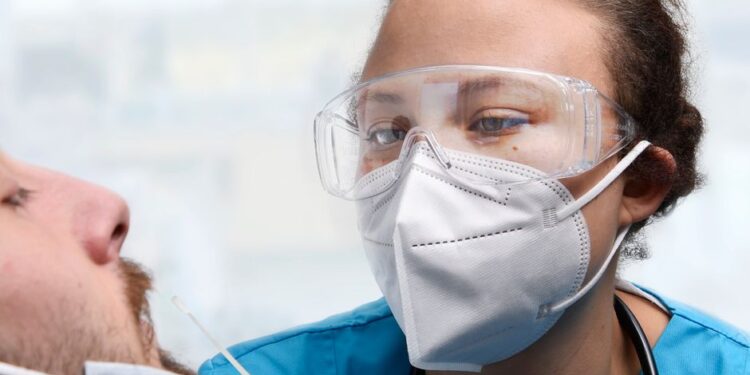
PNOE's innovative self-serve breath testing mask aims to democratize access to advanced metabolic testing, previously limited to elite athletes and specialized medical facilities.

PNOE, a health tech company in the US, will launch its self-serve breath testing mask on October 1, 2026. This device lets users perform lab-grade metabolic tests on their own. This is a big change from traditional methods that need professional operators. With the new mask, users can wear it, push a button, and breathe for eight minutes to get personalized health insights.
This development is important because it makes advanced diagnostic tools available to more people. Previously, these tools were mainly for elite athletes and specialized medical facilities. The mask measures various biomarkers, such as VO₂ max and metabolic flexibility. It gives users actionable data about their fitness and health. PNOE’s approach enhances convenience and fits the trend of self-service healthcare solutions. TechCrunch notes that the mask looks user-friendly, resembling gear from a comic book villain, but its purpose is entirely beneficial for health.
Transforming Diagnostic Procedures in Healthcare
Traditional metabolic testing has been limited to specialized labs due to the complexity and cost of equipment. PNOE’s new mask changes this by allowing metabolic testing in gyms, pharmacies, and public spaces without trained personnel. This could significantly increase the number of people who can access and benefit from these tests. By making this technology available, PNOE enhances user experience and boosts overall health literacy.
According to Career Ahead’s analysis, the self-service model could lower costs for metabolic testing. This makes it more accessible to a wider audience. Users can conduct these tests independently, empowering them to take charge of their health. This supports the growing demand for personalized health solutions that are convenient and effective. The mask captures 23 different health metrics, offering insights that blood tests cannot. For example, it helps users understand their caloric needs and optimize training based on real-time data. This level of personalization is likely to attract fitness enthusiasts and health-conscious consumers.
Moreover, the mask’s design and functionality mark a significant advancement in health tech innovation. Marketing Now notes that the device measures oxygen consumption and carbon dioxide output. It translates this data into actionable health advice, guiding users on how to eat, train, and live healthier lives. This capability could change how individuals approach their health, making it easier to incorporate scientific insights into daily routines.
According to Career Ahead’s analysis, the self-service model could lower costs for metabolic testing.
You may also like
 AI & Technology
Data‑Driven Tactics Sharpen Raise Negotiations in 2026
Simultaneously, research shows 55 % of professionals never initiate a raise discussion, leaving a measurable share of compensation potential untapped.
Read More →As healthcare becomes more patient-centered, the implications for biotech researchers and healthcare entrepreneurs are substantial. The data from such devices could lead to new research avenues, product development, and personalized health programs. Career Ahead research shows that companies creating similar self-service technologies are likely to see increased investment as consumer awareness grows.
PNOE’s device also opens new business models in health tech. By partnering with gyms, health clubs, and wellness centers, PNOE can offer a subscription-based service. This would provide hardware, software, and marketing support for businesses to offer metabolic testing to clients. This model could boost revenue for fitness-related businesses while adding value for their customers. The potential for cross-industry collaboration is vast, especially as demand for personalized health data rises.
Implications for Biotech Researchers and Healthcare Entrepreneurs
PNOE’s breath testing mask marks a shift towards user-friendly diagnostic tools, impacting biotech researchers. As these devices become more common, there will be a growing need to research the efficacy and accuracy of self-administered tests. Biotech researchers can use this trend to develop new algorithms and software that improve the interpretive capabilities of such devices. Gathering vast amounts of health data from diverse users can help researchers identify trends and correlations that were hard to see before.
Healthcare entrepreneurs can explore partnerships with companies like PNOE. Integrating self-service diagnostic tools into existing health and wellness offerings can attract customers seeking innovative health solutions. The potential for collaboration is vast, especially as demand for personalized health data increases. Career Ahead’s analysis highlights that PNOE’s mask allows for collecting large amounts of health data, invaluable for research and development. This data can lead to future innovations in health tech, potentially resulting in breakthroughs in understanding metabolic health and disease prevention.
However, there are challenges to consider. The regulatory landscape for health tech devices is complex. Ensuring compliance with health standards is critical for companies entering this space. Additionally, PNOE’s CEO noted that the device is not yet FDA-approved, which may affect its marketability and acceptance among healthcare providers. This regulatory hurdle emphasizes the need for rigorous testing and validation to meet safety and efficacy standards.
Career Ahead’s analysis highlights that PNOE’s mask allows for collecting large amounts of health data, invaluable for research and development.

You may also like
 AI & Technology
Apple hit with $5.7 billion in damages over haptic patents | Career Outlook
This significant decision underscores the ongoing tensions in the tech industry surrounding intellectual property rights and patent enforcement.
Read More →As the market for self-service diagnostics grows, biotech researchers must stay updated on regulatory changes and technological advancements. Adapting quickly to these changes will be essential for success. PNOE’s innovative self-service breath testing is a prime example of how technology can empower individuals in their health journeys. The rise of such devices may signal a broader shift in healthcare towards more personalized, accessible, and user-friendly solutions.
Looking ahead, the question remains: how will the healthcare industry adapt to the growing demand for self-service diagnostics, and what new innovations will emerge from this trend?
Frequently Asked Questions
What are the benefits of self-serve breath testing for biotech researchers?
Self-serve breath testing gives biotech researchers access to real-time data from a larger population. This helps facilitate large-scale studies on metabolic health. It also allows researchers to develop new applications and algorithms based on user-generated data.
Ensuring the accuracy and reliability of the generated data is crucial for maintaining credibility and effectiveness in research.
How can healthcare entrepreneurs leverage new breath testing technologies?
Healthcare entrepreneurs can integrate self-service breath testing into their business models. This offers personalized health insights to clients, enhancing customer engagement and creating new revenue streams through subscriptions and partnerships with fitness centers.

What should biotech researchers consider when adopting self-service diagnostic tools?
Biotech researchers must be aware of the regulatory requirements and validation processes for self-service diagnostic tools. Ensuring the accuracy and reliability of the generated data is crucial for maintaining credibility and effectiveness in research.
You may also like
 AI & Technology
Structured 90‑Day Plans Accelerate Promotion Paths
This analysis unpacks the structural mechanisms, systemic consequences, and stakeholder stakes of the emerging 90‑day promotion model.
Read More →