No products in the cart.

Wearables Expand Beyond Fitness Tracking | Career Outlook
Major tech companies are racing to integrate wearable devices into healthcare systems, with Google leading a partnership aimed at real-time health monitoring solutions.

Major tech companies are racing to integrate wearable devices into healthcare systems. Google, Apple, and Samsung are leading this effort. This shift goes beyond tracking fitness; it changes how health data is used. As these companies embed their devices into healthcare, the impact on data analysts and wearable tech engineers is significant.
Recently, Google announced a partnership with major healthcare providers. They aim to use data from wearables for real-time health monitoring solutions. Apple is also expanding its health features, focusing on integrating its devices with healthcare systems. Samsung is making progress too, emphasizing chronic disease management through its wearables. A report by EMFRadar states that these collaborations aim to create ecosystems for actionable health insights, potentially revolutionizing patient care.
Transforming Data Utilization in Healthcare
Wearable technology is changing how health data is collected and used. Devices that monitor heart rates, sleep patterns, and physical activity are now used for both personal fitness and clinical insights. According to Career Ahead’s analysis, this trend will increase the demand for healthcare data analysts who can interpret this data effectively.
As wearables collect vast amounts of health data, data analysts play a crucial role. They must ensure the data is accurate and compliant with health regulations. For example, the Health Insurance Portability and Accountability Act (HIPAA) in the U.S. sets strict guidelines on using and sharing health information. Analysts must navigate these regulations to use wearable data effectively while protecting patient privacy. Global Brokers notes that real-time data analysis can improve patient outcomes, allowing healthcare providers to make timely decisions.
Career Ahead research shows this creates a skill gap, especially in data analysis and regulatory knowledge.
You may also like
 AI & Technology
OpenAI drops another batch of mathematical breakthroughs
OpenAI has released 722 manuscripts detailing significant mathematical breakthroughs that could transform AI and data science. These findings are expected to enhance machine learning efficiency…
Read More →The partnerships between tech giants and healthcare providers are creating new opportunities for startups in digital health. Companies that connect technology and healthcare are becoming increasingly valuable. Career Ahead research shows this creates a skill gap, especially in data analysis and regulatory knowledge. Professionals must fill this gap to stay competitive. With the rise of telehealth and remote patient monitoring, the demand for skilled analysts who can interpret wearable data is likely to grow. Healthcare organizations seek individuals who can analyze this data and provide actionable insights, making data analysts’ roles more vital than ever.
As wearables integrate into healthcare practices, the potential for predictive analytics also increases. Data analysts will not only interpret historical data but also forecast future health trends based on current data. This shift towards predictive analytics is a game-changer, allowing healthcare providers to proactively manage patient care instead of reacting to health issues.
Emerging Partnerships and Regulatory Considerations
Partnerships between tech companies and healthcare providers are reshaping healthcare delivery. These collaborations aim to enhance patient care through advanced technology. For example, Google’s collaboration with health systems helps develop predictive analytics tools to identify health risks from wearable data. This improves patient outcomes and makes healthcare operations more efficient.
However, these partnerships face significant regulatory challenges. Integrating health data from wearables raises questions about data security and patient consent. Companies must comply with regulations like the General Data Protection Regulation (GDPR) in Europe and HIPAA in the U.S. This creates a pressing need for professionals who understand both technology and regulatory frameworks. Anti Spier highlights that the competitive landscape is driving innovation in data privacy solutions. Companies are investing in secure data storage and transmission technologies to protect sensitive health information. This focus on security is essential as more healthcare providers adopt wearable technology.
Career Ahead analysis finds that the evolving regulatory environment will require continuous education and adaptation among tech professionals. Those who stay ahead of these changes will be better positioned to succeed in this fast-paced industry. As wearable technology becomes more common in healthcare, the risk of data misuse increases. Companies must implement strong measures to protect against breaches and ensure patient trust. This aspect will be critical for the long-term success of wearable technology in healthcare.
As wearables continue to integrate into healthcare systems, tech professionals must prepare for upcoming challenges. The merging of technology and healthcare creates a dynamic landscape that requires adaptability and foresight. The race to integrate wearables into healthcare is just beginning. With tech giants leading the way, the industry is set for rapid growth. The next few years will be crucial as companies navigate data integration complexities while ensuring compliance and security. How these challenges are addressed will shape the future of healthcare delivery.
You may also like
 AI & Technology
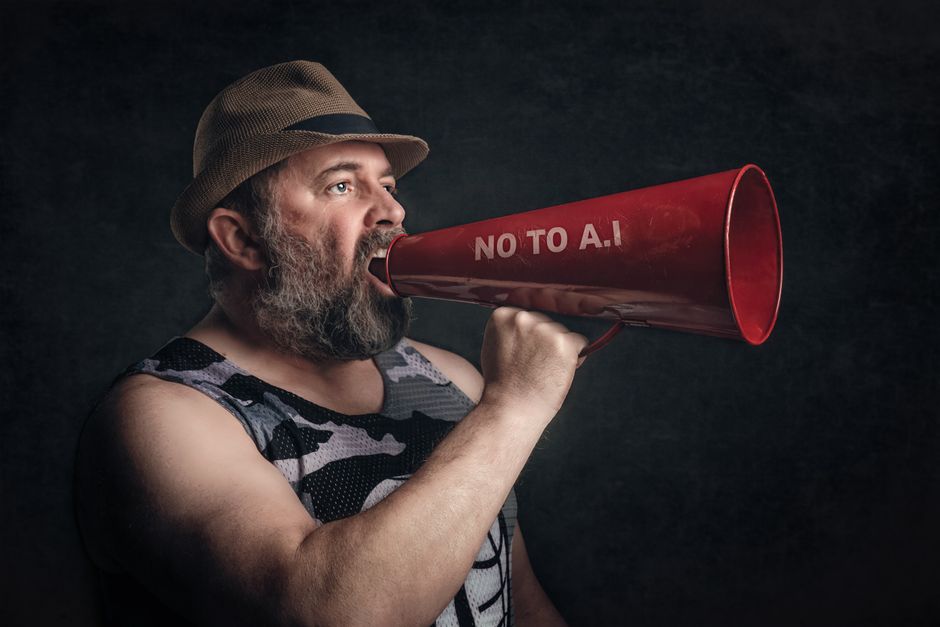
Protesters Target AI Firms with Direct Action | Career Outlook
Activists are increasingly taking direct action against AI firms, driven by concerns over safety and ethics. The movement, led by groups like PauseAI, is gaining…
Read More →Career Ahead analysis finds that the evolving regulatory environment will require continuous education and adaptation among tech professionals.
Frequently Asked Questions
What are the latest trends in wearable technology for healthcare?
Career Ahead analysis shows that wearable technology is increasingly integrated into healthcare systems for real-time health monitoring and data collection. Major tech companies are partnering with healthcare providers to leverage this data for improved patient care.
How can wearable tech engineers prepare for integration with healthcare systems?
Engineers should focus on understanding healthcare regulations and data security protocols. As the demand for secure and compliant technology grows, professionals with knowledge in these areas will be highly sought after.
What should healthcare data analysts know about wearable device data compliance?
Data analysts must be familiar with regulations such as HIPAA and GDPR, which govern the use of health information. Understanding these compliance requirements is essential for effectively analyzing data collected from wearable devices.