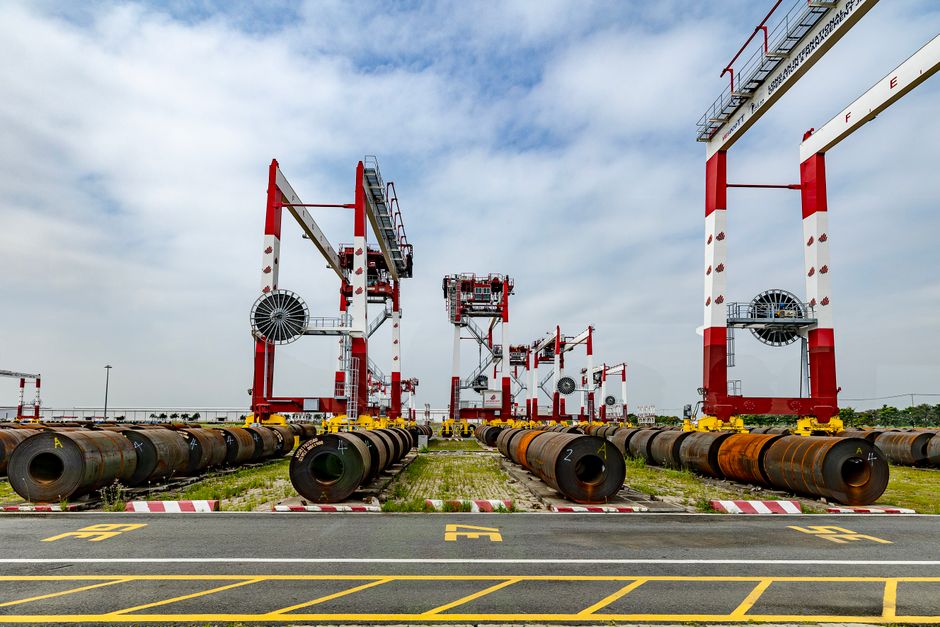
India’s government has stepped in to address significant vulnerabilities in container shipping, following recent disruptions that have severely impacted exporters. On July 3, the unveiling of an India-made EXIM container marked the first outcome of a ₹10,000 crore container manufacturing scheme announced in the Union Budget 2026-27. This initiative aims to bolster domestic container production and mitigate the challenges faced by logistics managers and supply chain analysts amid ongoing shipping shocks.
The shipping sector has been under immense pressure due to a series of global disruptions, including the COVID-19 pandemic, geopolitical tensions, and recent conflicts in the Middle East. These events have led to container shortages and skyrocketing freight costs, making it increasingly difficult for exporters to secure shipping capacity. As a result, logistics managers are compelled to reassess their strategies and invest in enhanced container security and technology. According to a report by Deloitte, governments worldwide are increasingly focusing on resilience planning to combat disruptions in supply chains, reflecting a global trend that India is now embracing.
Impact of Recent Shipping Disruptions on Container Security
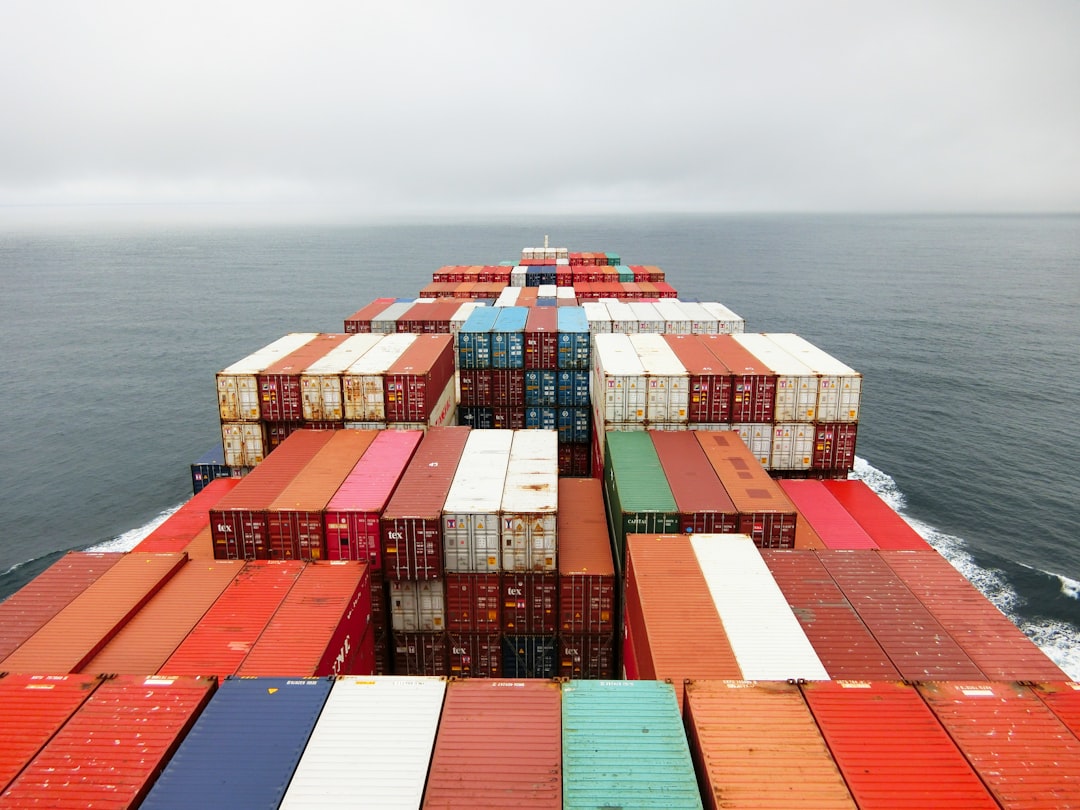
Recent disruptions have exposed the fragility of India’s shipping infrastructure. Exporters have reported significant challenges, including increased freight rates and longer shipping times. For instance, the cost of shipping a 20-foot container has surged from around $1,200 to $3,800 due to rerouted shipping paths around the Cape of Good Hope, adding considerable delays and costs to the supply chain. This dramatic increase in shipping costs has forced many exporters to reconsider their pricing strategies and operational models, as they grapple with the dual pressures of rising costs and the need to maintain competitiveness in global markets.
Furthermore, the availability of empty containers has become a pressing issue. As highlighted by industry leaders, the conflict in West Asia has resulted in stranded containers at major ports, leading to exorbitant costs for exporters. For example, one customer faced a cost of $50,000 to procure an empty container, a stark contrast to the usual rates. This situation underscores the urgent need for logistics managers to enhance their risk management strategies and prepare for stricter regulations surrounding container security. The UNDP has emphasized the importance of local governance in crisis situations, suggesting that effective management of logistics can significantly mitigate the impacts of such disruptions.
Career Ahead’s analysis finds that the government’s recent initiatives, including the establishment of the Bharat Container Shipping Line, are crucial steps toward stabilizing the shipping sector. By increasing domestic container production and aiming for a tenfold increase in output, the government is addressing the structural issues that have long plagued the industry. This move is expected to provide logistics managers with more reliable access to containers, thereby reducing dependency on foreign shipping lines. Moreover, the establishment of a national carrier is anticipated to enhance competition within the shipping industry, potentially leading to lower costs for exporters.
As ports like Vallarpadam and Thoothukudi work to expand their capacities, logistics managers should stay informed about these developments, as they will directly impact shipping costs and operational efficiency.
Additionally, the government’s focus on enhancing infrastructure at key ports will play a pivotal role in improving turnaround times for containers. As ports like Vallarpadam and Thoothukudi work to expand their capacities, logistics managers should stay informed about these developments, as they will directly impact shipping costs and operational efficiency. The integration of advanced technologies in port operations, such as automated handling systems and improved tracking mechanisms, is also expected to streamline processes and reduce delays, further aiding exporters in navigating the current crisis.
 Industry & Global Trends
Oil and Gas Prices Surge Amid Middle East Shipping Attacks
The attacks in the Strait of Hormuz have triggered a significant rise in oil prices, impacting bond yields and stock markets globally.
Read More →As the shipping landscape evolves, the emphasis on container security becomes paramount. With increased regulatory scrutiny on shipping practices, logistics managers must prioritize investment in container technology that enhances tracking and security. This will not only mitigate risks associated with shipping disruptions but also align with emerging global standards for container safety. As highlighted by Deloitte, the focus on resilience planning is essential for logistics managers to adapt to the changing dynamics of global trade.
Government Initiatives to Strengthen Container Manufacturing
The Indian government has recognized the critical need for self-sufficiency in container manufacturing. Currently, India produces around 24,000 TEUs annually, a stark contrast to China’s output of several million. The ₹10,000 crore container manufacturing scheme aims to significantly boost domestic production, thereby reducing reliance on foreign containers. This initiative is not only about increasing numbers but also about enhancing the quality and standards of containers produced in India, ensuring they meet international specifications.
According to Deloitte, governments worldwide are increasingly focusing on resilience planning to combat disruptions in supply chains. India’s initiatives are a reflection of this global trend, as the country seeks to fortify its logistics infrastructure against future shocks. By investing in local manufacturing, the government aims to create a robust supply chain that can withstand external pressures. This proactive approach is expected to foster innovation within the domestic manufacturing sector, encouraging local companies to invest in research and development to improve container design and functionality.
Moreover, the establishment of the Bharat Container Shipping Line, India’s first national container carrier, is a significant step toward enhancing shipping capacity. This initiative will not only improve access to containers but also foster competition within the shipping industry, potentially leading to lower costs for exporters. However, experts caution that substantial work remains before the shipping line becomes operational, including route identification and fleet management. The government’s commitment to enhancing container manufacturing and shipping capacity signals a proactive approach to addressing vulnerabilities in the sector.
However, experts caution that substantial work remains before the shipping line becomes operational, including route identification and fleet management.

 Industry & Global Trends
Agarwal Says India Can Attract Data Centre Investment
Agarwal cites data-centre construction costs around half the US and Europe level, renewable energy, a 1.5 billion population and coastline.
Read More →Logistics managers must stay abreast of these developments, as they will influence shipping strategies and operational decisions in the coming years. The government’s initiatives are designed to create a more resilient logistics ecosystem that can adapt to changing market conditions and external shocks. As the situation continues to evolve, supply chain analysts should also focus on assessing container vulnerabilities within their operations. Understanding the implications of these changes will be crucial for maintaining competitiveness in a rapidly shifting global market.
Ultimately, the success of these initiatives hinges on collaboration between government bodies and industry stakeholders. By working together, they can create a resilient shipping ecosystem that supports exporters and enhances India’s position in the global market. The recent shipping disruptions have sparked a critical conversation about the future of logistics in India. As the government implements new policies and initiatives, logistics managers and supply chain analysts must adapt to these changes. The focus on container security and manufacturing will be vital in ensuring that India can navigate future disruptions effectively. As exporters look to regain stability, the question remains: will these government initiatives be enough to restore confidence in India’s shipping sector?
Frequently Asked Questions
What are the new regulations affecting logistics managers?
Career Ahead’s analysis shows that recent government initiatives focus on enhancing container security and manufacturing capabilities. Logistics managers must prepare for stricter regulations that will likely emerge as part of these efforts to stabilize the shipping sector.
Career Ahead’s analysis shows that recent government initiatives focus on enhancing container security and manufacturing capabilities.
How can supply chain analysts assess container vulnerabilities?
Supply chain analysts can assess container vulnerabilities by closely monitoring shipping costs, turnaround times, and the availability of containers. Understanding these factors will help them identify risks and develop strategies to mitigate them.
What should port operations specialists do to enhance container security?
Port operations specialists should invest in technology that improves tracking and security of containers. As regulations become stricter, implementing advanced security measures will be essential for compliance and operational efficiency.
Written by Career Ahead AI. AI can make mistakes, so verify key facts. Report errors to support@careeraheadonline.com.