No products in the cart.

Taiwan Central to Trump–Xi Summit Agenda
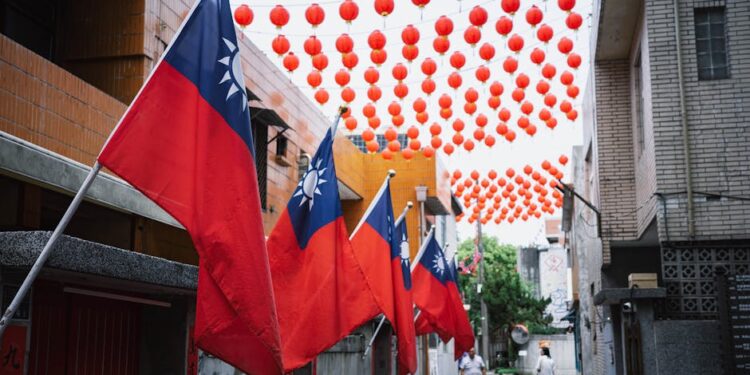
The upcoming Trump-Xi summit is set to prioritize Taiwan, reflecting growing tensions and the island's strategic importance in U.S.-China relations. The meeting could redefine diplomatic ties, influence global supply chains, and impact regional security.

Taiwan’s Central Role in U.S.-China Diplomacy
Beijing is making Taiwan a focal point in the upcoming summit between U.S. President Donald Trump and Chinese President Xi Jinping. This meeting, scheduled for May, marks a significant shift from previous discussions where Taiwan was often overlooked. Xi’s insistence on prioritizing Taiwan underscores the escalating tensions and the island’s strategic significance in U.S.-China relations.
For Taiwan’s 23 million residents, the implications are profound. The Taiwanese government has voiced concerns over potential shifts in U.S. policy that could emerge from this summit. As Trump navigates his transactional approach to foreign policy, Taiwan may find itself caught between the competing interests of the superpowers.
The backdrop to this meeting includes a history of U.S. support for Taiwan in its defense against Chinese claims. The U.S. maintains a policy of strategic ambiguity regarding Taiwan’s sovereignty, which has allowed for a delicate balance in the region. However, any shift in this policy could have dire consequences for Taiwan’s security and autonomy.
Broader Implications for U.S.-China Relations
The summit is not solely about Taiwan; it symbolizes the broader dynamics of U.S.-China relations. The meeting occurs during a period of heightened trade tensions and military posturing in the Asia-Pacific region. As noted by Yahoo News, the stakes are high, and the outcomes could redefine diplomatic ties.
China regards Taiwan as a core interest, asserting that any support for Taiwanese independence could lead to severe repercussions. The Chinese foreign ministry has made it clear that Taiwan’s status is non-negotiable, framing it as essential to national sovereignty. This hardline stance complicates any potential diplomatic breakthroughs at the summit.
The Chinese foreign ministry has made it clear that Taiwan’s status is non-negotiable, framing it as essential to national sovereignty.
You may also like
 Government & Policy
ITAT Ruling Clears Businessman of Tax Penalty via Relative’s Job
The ITAT ruled in favor of Gupta after he explained that the foreign currency discovered in his home belonged to his sister-in-law, Kemp, who worked…
Read More →Conversely, the U.S. has been increasing arms sales to Taiwan, further straining relations with Beijing. The Trump administration has approved significant military support for Taiwan, signaling strong backing for the island’s defense capabilities. This dynamic sets the stage for a contentious dialogue during the summit.
Taiwan’s Strategic Economic Importance
Taiwan is not only a political issue but also a strategic asset due to its location and economic capabilities. The island is a global leader in semiconductor manufacturing, critical for various industries, including technology and automotive. According to Reuters, any disruption in Taiwan’s production could have global ramifications, emphasizing its importance in the supply chain.
The U.S. relies on Taiwan for advanced technology, creating a complex web of interests. As China seeks to assert dominance in the region, Taiwan’s role as a semiconductor powerhouse becomes even more vital. The outcome of the Trump–Xi summit could influence global supply chains and economic stability.
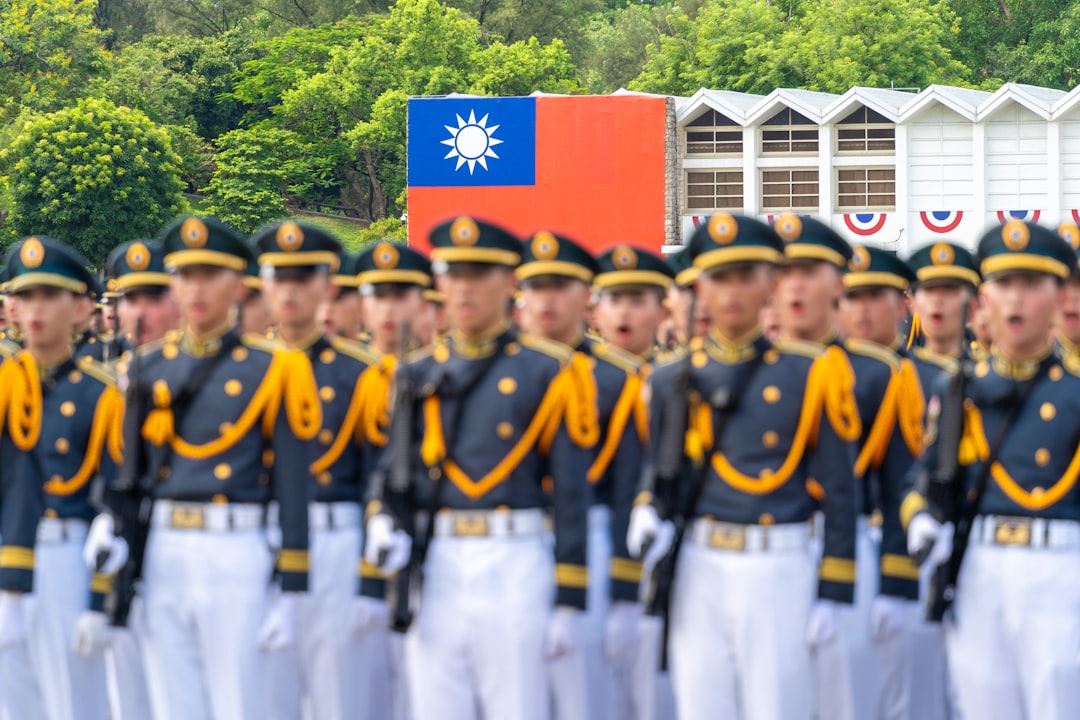
Moreover, Taiwan’s military capabilities are crucial for maintaining a balance of power in the Western Pacific. The U.S. has strategic interests in ensuring that Taiwan can defend itself against potential aggression from China. This military balance is a key factor in U.S. foreign policy, making the discussions at the summit critical for regional security.
Policy The summit presents an opportunity for potential shifts in U.S.
Potential Changes in U.S. Policy
The summit presents an opportunity for potential shifts in U.S. policy regarding Taiwan. Observers are closely watching for any changes in the U.S. stance on Taiwan independence, especially after Xi’s request for a more explicit rejection of Taiwanese sovereignty during a previous meeting with Biden. The U.S. has maintained a stance of ambiguity, but this may be tested during the upcoming talks.
You may also like
 Government & Policy
Centre tightens sugar stock limits for dealers amid festive demand
India has imposed new stock limits on sugar dealers effective October 15, 2026, restricting them to holding no more than 1,000 quintals of sugar at…
Read More →Trump’s approach to diplomacy often involves transactional negotiations, raising concerns that he might prioritize economic deals over Taiwan’s security interests. If Trump were to concede to Chinese demands regarding Taiwan, it could embolden Beijing and undermine U.S. credibility in the region. This potential shift could have lasting effects on Taiwan’s international standing.
Furthermore, the U.S. has reiterated its commitment to the Taiwan Relations Act, which mandates arms sales to Taiwan. However, the effectiveness of this commitment could be called into question if the U.S. alters its rhetoric or policy. The delicate balance of power hinges on how these discussions unfold at the summit.
Responses from Taiwan and Global Allies
As the summit approaches, reactions from Taiwan have been mixed. The Taiwanese government is on high alert, closely monitoring any signals from the U.S. regarding its support. Officials have expressed concerns that a softer U.S. stance could lead to increased pressure from China, which has not ruled out the use of force to assert control over the island.
Responses from Taiwan and Global Allies As the summit approaches, reactions from Taiwan have been mixed.
Internationally, U.S. allies are also watching the summit closely. Countries in the Asia-Pacific region are concerned about the implications of U.S.-China relations for their own security. The dynamics of this summit could influence how these nations align themselves in the face of rising Chinese assertiveness.
Moreover, Taiwan’s diplomatic relationships with other countries could be affected by the outcomes of the summit. If the U.S. were to signal a weakening of its support for Taiwan, it could lead to other nations reconsidering their ties with the island, further isolating it on the global stage.
You may also like
 Government & Policy
New Indonesia Finance Chief Steers Clear of Prabowo Turf Wars
Indonesia's new finance chief emphasizes collaboration in economic policy, aiming to reshape governance and engage diverse stakeholders in addressing the country's economic challenges.
Read More →