No products in the cart.

Six-Figure Career Abandoned for Rural Education

Sandra Lavie Gojkovic transitioned from a lucrative corporate career to establish a free school in rural West Bengal, driven by a desire to make a meaningful impact.

India — Sandra Lavie Gojkovic, a former corporate professional, left her high-paying career to start a free school in rural West Bengal. Her journey reflects a growing trend of corporate professionals seeking meaningful careers in nonprofit education. This shift shows how these individuals can drive social change, especially in underserved communities.
Gojkovic’s choice to leave a six-figure salary in Switzerland and Dubai for a rural village in India was not easy. After years of success, she felt deep dissatisfaction. She often asked herself, “Why had I been given so much while others had so little?” This reflection pushed her to make a bold move to help children in rural India. Her story has resonated widely, as reported by the Hindustan Times, showing how personal reflection can lead to significant societal contributions.
Challenges in Rural Education
Upon her arrival in India, Gojkovic faced numerous challenges. Initially, she believed that financial contributions to charities would suffice. However, after volunteering, she discovered that many charities were not effectively addressing the community’s needs. Issues like financial mismanagement and lack of sustainability were prevalent. This realization prompted her to adopt a more hands-on approach, understanding that merely providing funds was not a solution. Instead, she needed to engage deeply with the community to create lasting change.
Gojkovic traveled to remote villages and spoke with locals to grasp their real needs. One significant hurdle was convincing parents to send their children to school, as many families relied on their children’s income for survival. Gojkovic and her team dedicated months to visiting homes, building trust, and demonstrating the long-term benefits of education. This grassroots approach was essential, as many parents initially viewed education as a luxury. By sharing success stories of educated children, she gradually shifted their perspectives.
Her efforts began to yield results. Parents who once resisted sending their children to school started enrolling them. Gojkovic’s approach highlighted that trust is built through consistent presence and engagement, not just promises. This philosophy became the foundation of her educational initiative. As reported by the Times of India, her school not only provided education but also fostered a sense of community ownership, crucial for its sustainability.
The ripple effect of her work illustrates how education can empower communities and spark social change.
Community Impact and Empowerment
Over the years, Gojkovic’s school evolved into a community hub, training over 100 youth leaders to address pressing social issues like child marriage and domestic violence. This broadened impact reached nearly 20,000 individuals across 30 villages. The ripple effect of her work illustrates how education can empower communities and spark social change. By integrating local cultural practices into the curriculum, Gojkovic ensured that the education was relevant and respected community values, enhancing its acceptance.
Lessons for Corporate Professionals
Gojkovic’s journey serves as a model for corporate professionals contemplating a transition to nonprofit education. The skills gained in corporate settings—such as project management, leadership, and strategic planning—are highly transferable to the nonprofit sector. This transition can lead to significant social impact while fulfilling personal aspirations for meaningful work. Gojkovic’s experience demonstrates that analytical skills from the corporate world can be invaluable in assessing community needs and designing effective educational programs.
Moreover, her experience underscores the importance of cultural adaptability. Professionals moving from corporate environments to rural education must navigate cultural differences and understand local dynamics. This adaptability can enhance their effectiveness in implementing educational programs tailored to community needs. As she learned, understanding the local context was key to gaining community trust and ensuring the success of her initiatives.
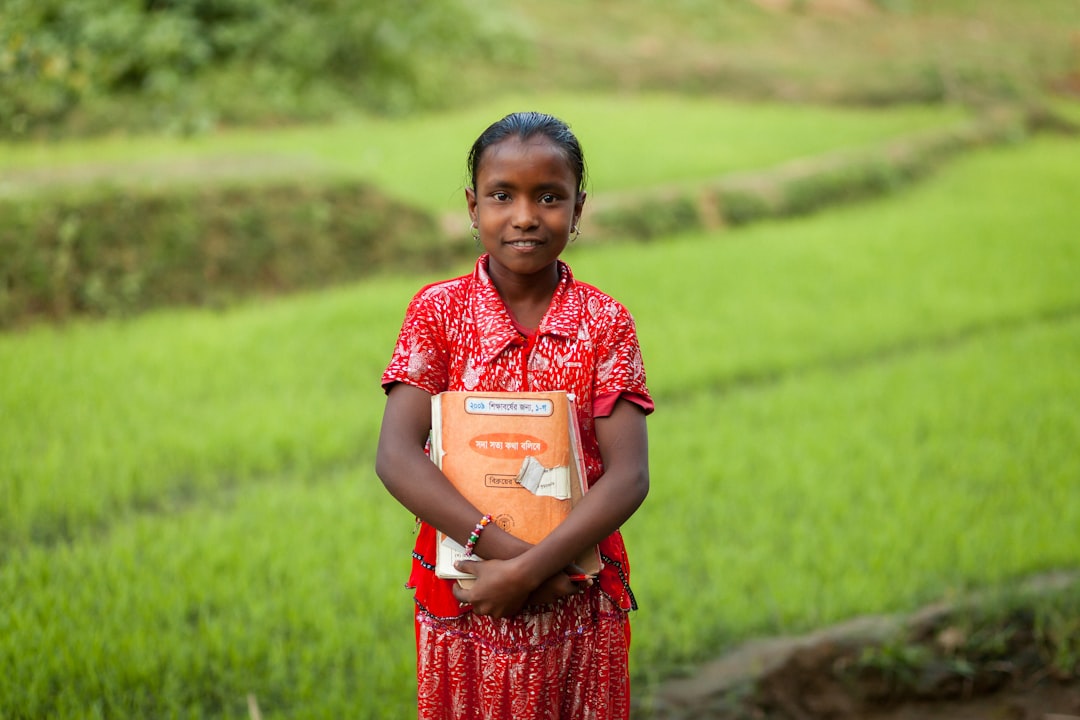
Inspiring Future Educators
As more corporate professionals like Gojkovic make this transition, rural education in India may undergo significant changes. The infusion of diverse skills and perspectives can lead to innovative solutions for long-standing educational challenges. This trend is crucial as India continues to face educational disparities in rural areas. Collaborative efforts between corporate professionals and local communities could create transformative educational initiatives across the country.
Gojkovic’s story serves as a reminder that meaningful change often starts with individual actions. By prioritizing education and community engagement, professionals can help build a more equitable society. As more individuals consider similar transitions, the potential for new educational and community development possibilities is vast.
Inspiring Future Educators As more corporate professionals like Gojkovic make this transition, rural education in India may undergo significant changes.

Frequently Asked Questions
What skills do I need to teach in rural India?
Teaching in rural India requires strong communication skills, cultural sensitivity, and adaptability. Professionals should also understand local educational needs and engage effectively with the community.
How can corporate professionals make a difference in education?
Corporate professionals can leverage their skills in project management, strategic planning, and leadership to create impactful educational programs. Their experience can help address gaps in the education system and foster community engagement.
What steps should I take to transition from a corporate job to a nonprofit role?
Transitioning from a corporate job to a nonprofit role involves researching potential organizations, networking in the sector, and gaining experience through volunteering. Understanding the specific needs of the community you wish to serve is also crucial.
Written by Career Ahead AI. AI can make mistakes, so verify key facts. Report errors to support@careeraheadonline.com.