No products in the cart.

South African Anti‑Immigration Demonstrations Displace Foreign Students and Disrupt Campus Activities
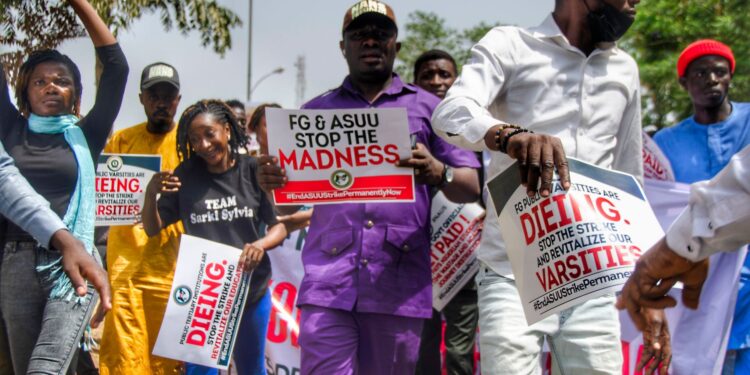
The unrest forced many foreign‑national students from their homes and coincided with university protests over funding and housing.

Anti‑immigration protests across South Africa culminated in a citizen‑set deadline of 30 June 2026 for undocumented foreigners to leave the country. The unrest forced many foreign‑national students from their homes and coincided with university protests over funding and housing.
Anti‑immigration demonstrations intensified nationwide in early 2026, leading citizen‑led groups to announce an unofficial deadline of 30 June 2026 for undocumented foreign nationals to depart South Africa [1]. The deadline was marked by a march in Durban involving members of the Zulu regiment known as the ‘Amabutho’, who displayed the national flag while police were deployed to prevent escalation [1].
Student groups on university campuses began protesting in February 2026 over financial barriers to higher education and inadequate student housing, actions that added to the broader climate of unrest [4]. The convergence of anti‑immigration rallies and campus demonstrations resulted in the displacement of foreign‑national students from their residences and interruptions to academic schedules [2][4].
Timeline and Geographic Scope of the Protests
The anti‑immigration movement emerged at the start of 2026, with social‑media posts amplifying concerns about undocumented migrants and prompting citizen assemblies in multiple cities [2]. By June, the “March and March” movement organized weekly marches, culminating in the 30 June deadline event held in Durban, a coastal city in KwaZulu‑Natal province [1][3].
University protests commenced in February 2026 when students across South African higher‑education institutions staged sit‑ins, barricaded entrances, and demanded reforms to the National Student Financial Aid Scheme (NSFAS) and campus housing allocations [4]. These campus actions continued through the first half of the year, overlapping with the anti‑immigration demonstrations and contributing to a sustained period of public disorder [4].
The combined events affected multiple provinces, with notable incidents reported in Gauteng, the Western Cape, and KwaZulu‑Natal. Police forces were mobilized in several locations to manage crowd control and to protect property, though no large‑scale violent clashes were recorded in official reports [1][3].
These campus actions continued through the first half of the year, overlapping with the anti‑immigration demonstrations and contributing to a sustained period of public disorder [4].
Organizations and Individuals Involved
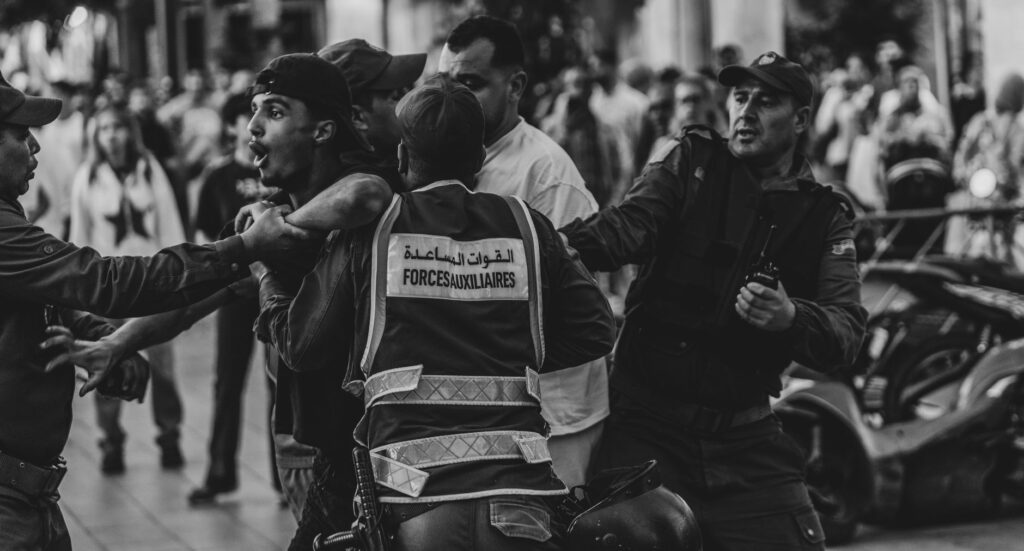
Citizen‑led groups, including the “March and March” movement, coordinated the anti‑immigration rallies and set the 30 June deadline [1]. The Zulu regiment known as the ‘Amabutho’ participated in the Durban march, symbolically carrying the South African flag [1]. South African police units were deployed to monitor demonstrations and to intervene where necessary [1].
You may also like
 News
NewsTokyo Inflation Surge Signals BOJ’s Monetary Policy Shift
Inflation in Tokyo has surged to 3.4%, prompting the Bank of Japan to reassess its monetary policy. This article explores the implications for economic growth,…
Read More →Foreign‑national students, many of whom are undocumented, were directly impacted by the deadline announcement. Their displacement was reported in Durban and other urban centers where they previously resided [1][2]. University student bodies, represented by campus councils and national student alliances, organized the February protests demanding increased NSFAS funding and improved housing conditions [4].
The media landscape, particularly social‑media platforms, played a role in disseminating information about the protests, shaping public perception, and mobilizing participants [2]. Nigerian community organizations abroad expressed concern over the safety of their nationals in South Africa, reflecting the broader diaspora response [2].
How the Events Unfolded
The anti‑immigration protests were organized through community meetings and amplified via online channels, leading to coordinated marches and the establishment of a public deadline for undocumented migrants [2][3]. Law‑enforcement agencies responded by increasing patrols and establishing checkpoints in areas of anticipated unrest [1].
University protests arose from longstanding grievances over financial aid eligibility and insufficient student accommodation. Student leaders submitted formal demands to the Department of Higher Education and to university administrations, while simultaneously joining broader anti‑immigration rallies in some cases [4]. The overlapping timelines created logistical challenges for campus security and for students attempting to attend classes [4].
Student leaders submitted formal demands to the Department of Higher Education and to university administrations, while simultaneously joining broader anti‑immigration rallies in some cases [4].
Both sets of protests were largely peaceful according to police statements, though the displacement of foreign‑national students resulted from fear of potential confrontations and from the enforcement of the 30 June deadline [1][2].
Immediate Impact on Students and Educational Institutions
Foreign‑national students who were undocumented faced immediate loss of housing and were compelled to seek alternative accommodation or to exit the country before the 30 June deadline [1][2]. Universities reported a temporary decline in enrollment numbers for courses with high concentrations of foreign students, and some institutions postponed examinations to accommodate disrupted study plans [4].
You may also like
 News
NewsUS Borrowing Costs Surge, UK Bond Yields Hit 6%
US government borrowing costs have surged to their highest levels since 2002, with significant implications for investors as UK 30-year bond yields reach 6%.
Read More →The campus protests prompted university administrations to enter short‑term negotiations with student representatives, resulting in provisional adjustments to NSFAS disbursements and the allocation of emergency housing funds [4]. However, the concurrent anti‑immigration climate limited the ability of institutions to provide comprehensive support to displaced foreign students [2].
For South African citizens, the protests highlighted ongoing tensions surrounding immigration policy, economic pressures, and access to higher education. The events have prompted policy discussions at the national level, though no legislative changes have been announced as of the reporting date [3].
Key Facts
What: Anti‑immigration protests set a 30 June 2026 deadline for undocumented foreigners, displacing many foreign‑national students amid concurrent university protests over funding and housing.
For South African citizens, the protests highlighted ongoing tensions surrounding immigration policy, economic pressures, and access to higher education.
When: Protests began early 2026; university demonstrations started in February 2026; the deadline event occurred on 30 June 2026.
Impact: Foreign students lost housing and faced forced departure; universities experienced enrollment disruptions and adjusted financial aid and housing policies.
You may also like
 News
NewsTreasuries Rebound Raises Stakes for Job Data as Rate Hikes Loom
Market analysts are focused on how upcoming job data will affect Treasury yields. Strong employment figures could push yields even higher.
Read More →Sources
- Four things to know about South Africa’s anti-migrant protests – https://www.vanguardngr.com/2026/06/four-things-to-know-about-south-africas-anti-migrant-protests/
- The 2026 unrests in South Africa and the unease it stirred among Nigerians abroad – https://www.withinnigeria.com/2026/03/27/the-2026-unrests-in-south-africa-and-the-unease-it-stirred-among-nigerians-abroad/
- 2026 Anti-Immigration Protests in South Africa – https://www.pindula.co.zw/2026_Anti-Immigration_Protests_in_South_Africa
- South Africa University Protests 2026: NSFAS & Housing – https://www.academicjobs.com/higher-education-news/south-africa-university-protests-2026-nsfas-and-housing-crises-or-academicjobs-6777