No products in the cart.

Nuclear Energy Jobs Surge as AI Demand Rises
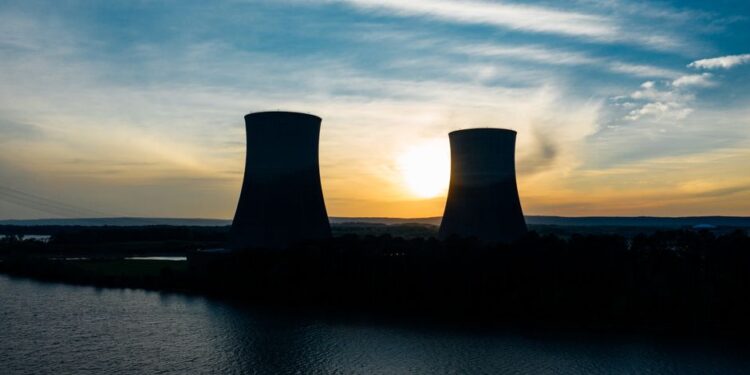
The US is expanding its nuclear power capacity in response to rising energy demands driven by AI technologies. This shift presents significant job opportunities for nuclear engineers and changes the landscape for energy policy and investment.

The US plans to significantly expand its nuclear power capacity as artificial intelligence (AI) increases energy demand. This move aims to meet the energy needs of a digital and AI-driven economy. The expansion is expected to create numerous job opportunities in nuclear engineering, especially as the country strengthens its energy infrastructure.
As AI technologies evolve, they change how we consume energy, leading to a rise in electricity demand. The US Department of Energy (DOE) sees nuclear energy as key to addressing this challenge. The DOE states that increasing nuclear capacity could help meet a projected 60% rise in energy demand by 2050, largely due to advancements in AI and other technologies.
Job Opportunities for Nuclear Engineers
The growth in nuclear power presents a significant opportunity for nuclear engineers. Analysts predict that expansion plans will likely create thousands of new jobs in the next decade. These roles will encompass plant design, safety analysis, and regulatory compliance, which are vital as new nuclear facilities begin operations.
Additionally, integrating AI into nuclear operations is expected to enhance efficiency and safety. For instance, AI can optimize reactor performance and improve predictive maintenance, reducing downtime and operational costs. Nuclear engineers skilled in AI applications will be well-positioned to capitalize on these new job opportunities.
Moreover, the focus on sustainability and reducing carbon emissions is driving investment in nuclear technology. The Global Strategy for Nuclear Energy Expansion report from nuclearscaling.org highlights the US government’s commitment to developing advanced nuclear reactors that are safer and more efficient. This commitment translates to increased funding for research and development, which will enhance job prospects for engineers in the field.
As the industry evolves, educational institutions are updating their programs to prepare future nuclear engineers. Training that includes AI and machine learning will become increasingly important, ensuring graduates possess the skills needed to thrive in a technologically advanced nuclear energy landscape.
Training that includes AI and machine learning will become increasingly important, ensuring graduates possess the skills needed to thrive in a technologically advanced nuclear energy landscape.
Regulatory Changes in Nuclear Energy
You may also like
 Industry & Global Trends
Honeywell Aerospace Faces 26% Share Drop Amid Supply Issues
Honeywell Aerospace shares fell 26% after the company lowered its 2026 sales-growth outlook due to supply chain issues. Adjusted earnings are now expected to be…
Read More →As the US expands its nuclear power capabilities, significant policy changes are underway. The Biden administration has prioritized nuclear energy in its strategy to achieve net-zero carbon emissions by 2050. This includes revising regulations to streamline the licensing process for new nuclear plants, facilitating easier investment for companies.
A recent report from energy.gov indicates that these regulatory changes aim to reduce the time and cost associated with building new nuclear facilities. By simplifying the approval process, the government hopes to attract more private investment in nuclear energy, which is crucial for meeting future energy demands. This policy shift addresses historical challenges that have hindered nuclear power expansion in the US.
Furthermore, policymakers are exploring how to integrate AI into energy policy. AI can optimize energy distribution and consumption, leading to more efficient resource use. They are investigating how AI can enhance grid management and integrate renewable energy sources with nuclear power. This comprehensive approach could bolster the reliability and sustainability of the US energy grid.
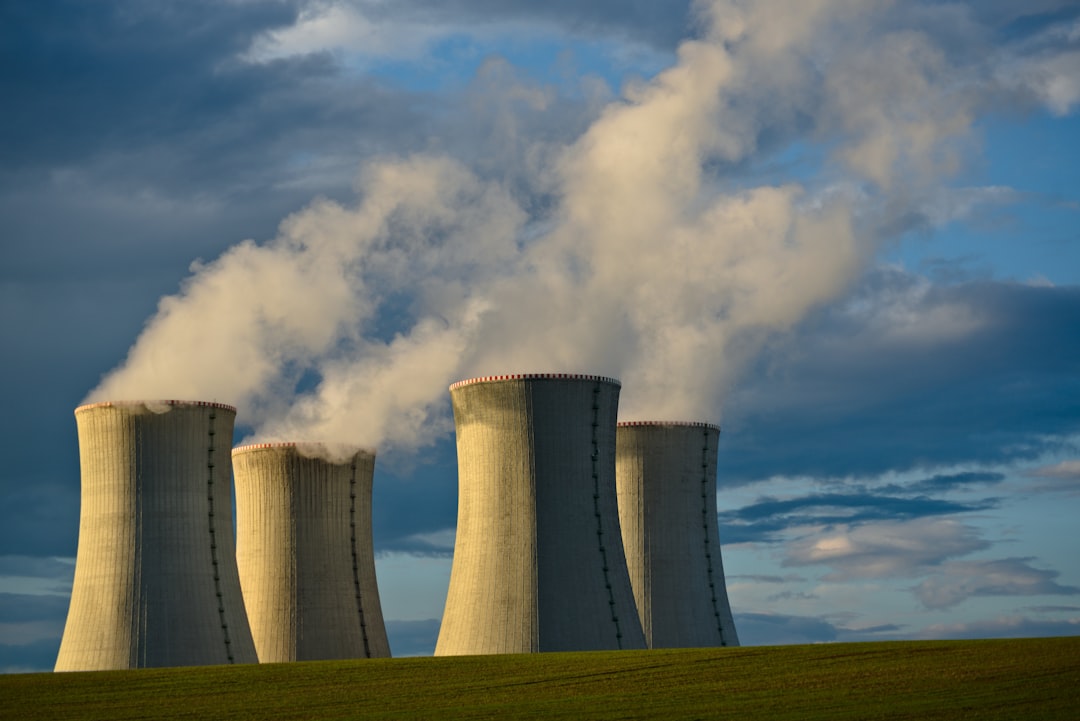
However, some analysts express concerns about the rapid pace of these changes and their safety implications. They caution that hastily implemented policies could overlook critical safety measures. Analysts emphasize that while expanding nuclear power is essential, it must be balanced with stringent safety protocols to maintain public trust and protect the environment.
Investment Dynamics in Nuclear Energy
The debate over investing in nuclear energy versus renewable sources like solar and wind is intensifying. While renewable energy has gained traction, the unique benefits of nuclear power are becoming more apparent as energy demands rise. Research indicates that nuclear energy provides a stable and reliable power source that can complement the intermittent nature of renewables.
Analysts emphasize that while expanding nuclear power is essential, it must be balanced with stringent safety protocols to maintain public trust and protect the environment.
Investors are increasingly viewing nuclear energy as a viable long-term investment. Reports indicate that funding for nuclear projects is on the rise, with both private and public sectors collaborating to finance new developments. This trend is supported by the growing recognition that a diverse energy portfolio is crucial for energy security.
You may also like
 Industry & Global Trends
Suno shares plans to combat spammy AI music
Suno has announced initiatives to combat spam in AI-generated music, including new watermarking technology and revised download policies aimed at improving quality and transparency in…
Read More →Moreover, the AI boom is influencing investment strategies. As companies seek to integrate AI technologies, they are increasingly considering nuclear energy as part of their energy mix. This shift reflects a broader understanding of the need for reliable energy sources to support AI-driven applications. For instance, tech and manufacturing companies are exploring partnerships with nuclear energy providers to secure stable energy supplies.
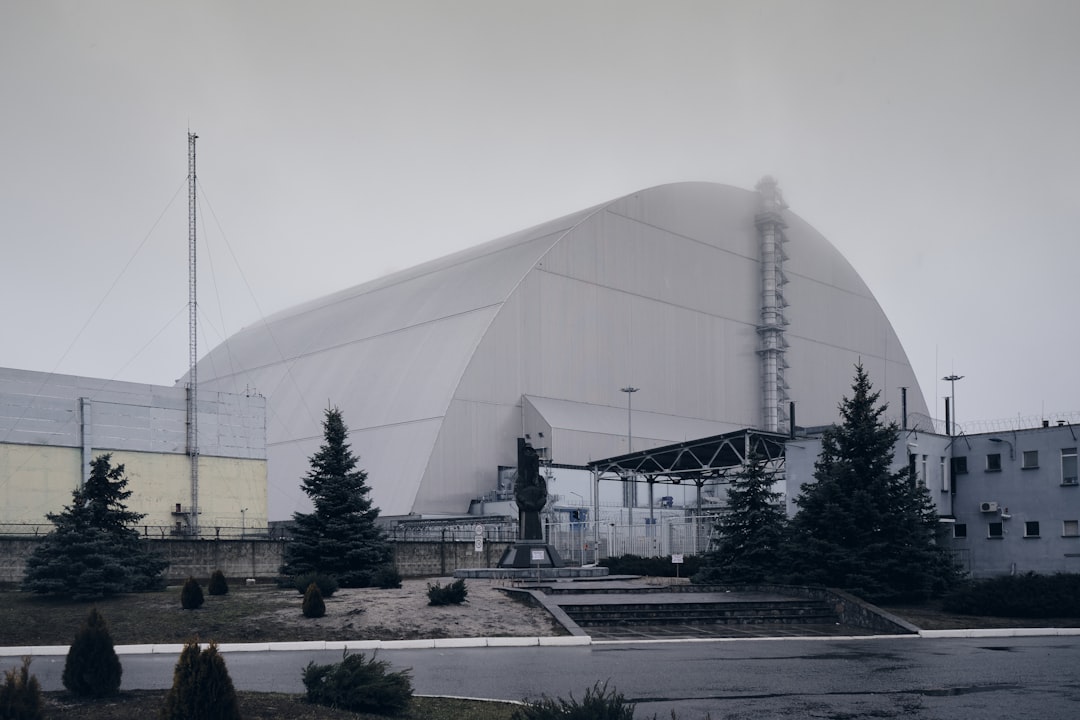
However, challenges persist. The high upfront costs of nuclear projects and public perception issues can deter investment. Analysts suggest that addressing these concerns through transparent communication and community engagement is vital for building public support and attracting investment in nuclear energy.
Future of Nuclear Energy in the AI Era
The expansion of nuclear power in the US, driven by AI demand, is poised to reshape the energy landscape. As job opportunities grow and policies evolve, the future of nuclear energy appears promising yet complex. How these dynamics will unfold in the coming years remains uncertain, particularly as the industry navigates safety, investment, and public perception challenges.
Understanding the link between AI and energy policy will be crucial for future career prospects.
Frequently Asked Questions
What are the new job opportunities for nuclear engineers in the AI era?
Analysts find that the expansion of nuclear power is expected to create thousands of new jobs for nuclear engineers, particularly in plant design, safety analysis, and regulatory compliance.
How will energy policy changes affect my career as an energy policy analyst?
As nuclear energy regulations evolve, energy policy analysts will need to stay informed about new policies and their impact on energy markets. Understanding the link between AI and energy policy will be crucial for future career prospects.
What should renewable energy investors consider about nuclear power expansion?
Investors should recognize that nuclear energy offers a stable and reliable power source that can complement renewable energy efforts. Balancing investments in both sectors may be essential for achieving energy security and sustainability.
You may also like
 Industry & Global Trends
Fortis Healthcare Profit Climbs 2.3% to Rs 273 Crore
The rise in profit and revenue indicates a trend toward increased investment in healthcare infrastructure. Fortis Healthcare's leadership has emphasized their commitment to ongoing investments,…
Read More →