No products in the cart.

SpaceX cleared to fly Starship again after booster failure
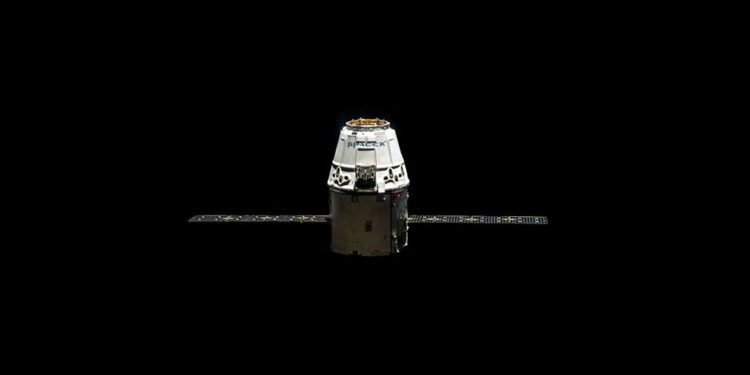
The FAA has authorized SpaceX to resume Starship flights after addressing issues from a May booster failure, marking a significant step in the company's ambitious space exploration plans.

The Federal Aviation Administration (FAA) has cleared SpaceX to resume Starship flights. This follows the identification of issues that caused a booster failure during a May test. This decision is a major milestone for SpaceX. It allows the company to conduct its second test flight of the third version of Starship, potentially as soon as July 16, 2026. The upcoming flight will also carry the first third-generation Starlink satellites, which are crucial for expanding SpaceX’s satellite internet capabilities.
SpaceX’s initial test flight of the V3 Starship on May 22 was largely successful. The Super Heavy booster lifted the 407-foot rocket into space. However, the booster failed to re-ignite for a controlled landing, leading to a crash into the Gulf of Mexico. The FAA’s investigation found that the failure was due to heat effects on propulsion system components and incorrect alarm settings. SpaceX has since modified its engine startup sequence and made hardware changes to improve reliability. According to TechCrunch, this is a pivotal moment as SpaceX prepares to test its innovative rocket development approach. CEO Elon Musk calls it “fly, fail, fix.” This process aims to refine technology quickly, even if it leads to failures during testing.
Increased Demand for Aerospace Engineering Expertise
With the resumption of Starship flights, the need for aerospace engineers is growing. These engineers must specialize in rocket technology and safety protocols. According to Career Ahead’s analysis, the space sector is focusing on advanced engineering skills, especially in propulsion systems and vehicle design. As SpaceX pushes the limits of space travel, engineers with expertise in these areas will be in high demand.
Developing reusable rocket systems like Starship is complex. Engineers need a deep understanding of aerodynamics, materials science, and systems integration. The FAA’s strict safety standards require engineers to ensure compliance with regulations, making specialized knowledge essential. Career Ahead research shows that engineers who can demonstrate proficiency in these areas will have a competitive edge in the job market. This demand for skilled professionals is not just a SpaceX issue; it reflects a broader trend across the aerospace industry. Companies are seeking talent that can handle modern rocket design and safety compliance challenges.
This demand for skilled professionals is not just a SpaceX issue; it reflects a broader trend across the aerospace industry.
You may also like
 Industry & Global Trends
AI Talent Race Between US and China Is the Next Battleground
The competition for AI talent between the US and China is growing, with significant implications for job opportunities and recruitment strategies in the field. The…
Read More →Additionally, SpaceX’s unique approach to rocket development involves rapid prototyping and iterative testing. This requires engineers who can adapt quickly to changing requirements. This dynamic environment offers exciting opportunities for engineers to work on cutting-edge projects. They can contribute to groundbreaking innovations in aerospace technology. The ability to pivot and innovate based on test results will be crucial as SpaceX embarks on ambitious plans for interplanetary missions and satellite deployments.
The demand for skilled aerospace engineers extends beyond SpaceX. As the commercial space industry grows, other companies are also seeking talent for their missions, including satellite deployment and interplanetary exploration. This trend creates a favorable job market for engineers with relevant skills and experience. A report from Aviation Week states that SpaceX’s recent clearance to build additional launch pads at Cape Canaveral highlights the growing infrastructure needs of the space sector. This will inevitably require a larger workforce of qualified engineers and technicians.
Opportunities for Startups in the Space Industry
The resumption of Starship flights also presents significant opportunities for startups in the space industry. SpaceX is likely to seek partnerships with innovative firms as it prepares to launch its third-generation Starlink satellites. Startups that specialize in satellite communications, data analytics, and software development could benefit. The potential for collaboration is vast, as SpaceX’s initiatives often require complementary technologies to enhance mission success.
According to a report by the Space Foundation, global space economy revenues reached $469 billion in 2021, with projections for continued growth.
Moreover, the growing interest in space exploration and commercial space travel is driving investment in the sector. According to a report by the Space Foundation, global space economy revenues reached $469 billion in 2021, with projections for continued growth. Startups that align their offerings with SpaceX’s objectives may find themselves well-positioned to secure funding and partnerships. The increasing accessibility of space, along with advancements in technology, has created fertile ground for entrepreneurial ventures that can innovate and provide solutions to emerging challenges.
SpaceX’s emphasis on collaboration is clear in its approach to building the Starlink network. This network relies on a vast constellation of satellites to provide internet access worldwide. Startups that can offer complementary technologies or services, such as advanced satellite manufacturing techniques or innovative launch solutions, may find valuable opportunities to work with SpaceX. The potential for collaboration extends beyond technology. Startups focused on sustainable practices in the space sector, like reducing space debris or enhancing the recyclability of rocket components, may also align with SpaceX’s long-term vision for sustainable space travel.
You may also like
 Industry & Global Trends
Hormuz Crude Oil Exports Near Pre-War Levels
The return to pre-war export levels is crucial as it indicates a stabilization in the oil market. Producers and shipping industries have adapted by employing…
Read More →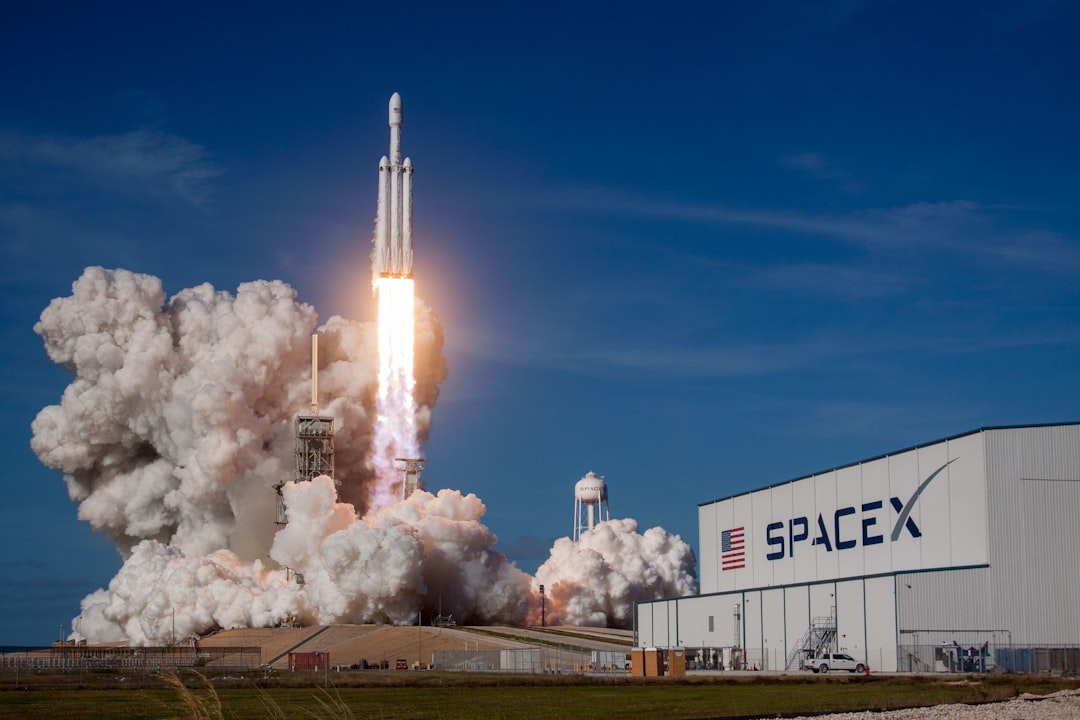
As the space industry evolves, the ability to innovate and adapt will be crucial for startups looking to thrive in this competitive landscape. The recent clearance for SpaceX to build new launch facilities, as reported by MyNews13, suggests a robust future for commercial space endeavors. This indicates that the industry is not only expanding but also maturing, with a focus on sustainability and technological advancement.
The implications of SpaceX’s Starship flight clearance extend beyond immediate technical challenges. They signal a shift in the aerospace job market. Career Ahead’s analysis finds that the demand for specialized skills in rocket technology and safety protocols will grow as SpaceX and other companies advance their capabilities. This shift highlights the importance of continuous learning and adaptation for aerospace engineers and entrepreneurs in the space sector.
The aerospace industry is set for significant growth, driven by advancements in technology and increased investment. As SpaceX continues to lead in space exploration, engineers and startups must remain agile. They should be ready to seize emerging opportunities. The next few years could see a surge in job openings and innovative projects, especially in satellite technology and reusable rocket systems.
Frequently Asked Questions What skills are needed for aerospace engineers working on SpaceX projects?
Frequently Asked Questions
What skills are needed for aerospace engineers working on SpaceX projects?
Aerospace engineers working on SpaceX projects need expertise in propulsion systems, vehicle design, and safety protocols. Proficiency in materials science and aerodynamics is also crucial. They must adapt to rapid prototyping and iterative testing environments.
How can space entrepreneurs leverage SpaceX’s advancements for their startups?
Space entrepreneurs can leverage SpaceX’s advancements by seeking collaboration opportunities in satellite technology and ground infrastructure. Startups that align their innovations with SpaceX’s objectives may find valuable partnerships and funding in the expanding commercial space sector.
What should aerospace engineers do to prepare for new opportunities in the space industry?
Aerospace engineers should focus on developing specialized skills in rocket technology and safety protocols. Continuous learning and staying updated on industry advancements will be essential to remain competitive in the evolving aerospace job market.
You may also like
 Industry & Global Trends
Man Charged
A US national has been charged with illegally exporting Nvidia chips to China, raising significant compliance and legal concerns in the semiconductor industry.
Read More →