No products in the cart.

Stegra Gets and the New Career Landscape

Sweden — Stegra AB, a struggling green steel startup, has received a substantial €1.4 billion investment from a consortium led by the Wallenberg family. This funding is aimed at completing what is set to be the world’s largest green steel plant. The investment underscores a significant shift towards sustainable manufacturing…

Sweden — Stegra AB, a struggling green steel startup, has received a substantial €1.4 billion investment from a consortium led by the Wallenberg family. This funding is aimed at completing what is set to be the world’s largest green steel plant. The investment underscores a significant shift towards sustainable manufacturing in the steel industry, which has long been criticized for its environmental impact.
The Wallenberg family, known for their influence in Swedish business and industry, has committed to supporting innovative projects that promote sustainability. This investment not only aims to rescue Stegra but also to position the company at the forefront of green steel production. As countries worldwide push for reduced carbon emissions, this move comes at a crucial time.
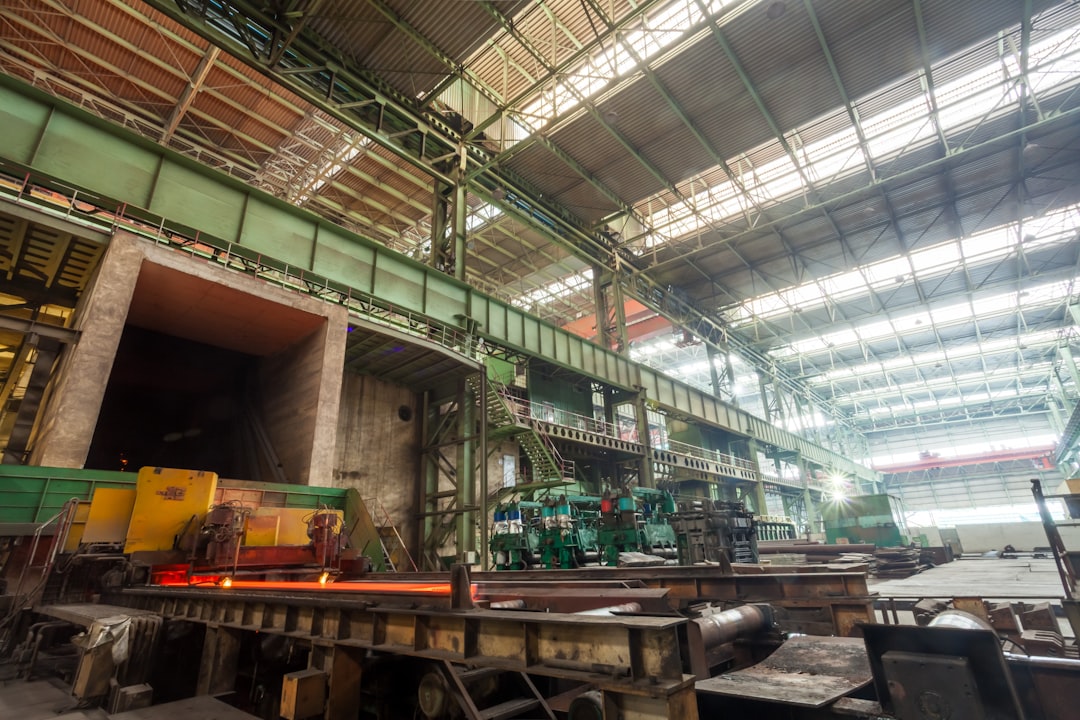
Stegra’s green steel plant will utilize hydrogen instead of traditional fossil fuels, marking a pivotal change in how steel is produced. This method dramatically reduces carbon emissions, aligning with global climate goals. The project is expected to create thousands of jobs and stimulate economic growth in the region, showcasing the potential of sustainable technology in driving industry transformation.
Investment Significance and Market Response
The €1.4 billion funding is not just a lifeline for Stegra; it represents a broader trend in the steel industry towards sustainability. Investors are increasingly looking for opportunities that align with environmental, social, and governance (ESG) criteria. The backing from the Wallenberg-led group signals confidence in Stegra’s potential to lead in green steel production. According to a recent report by Bloomberg, this investment is expected to catalyze further funding in the green technology sector, as companies that can demonstrate a commitment to sustainability are likely to attract more investors.
The project is expected to create thousands of jobs and stimulate economic growth in the region, showcasing the potential of sustainable technology in driving industry transformation.
The steel industry, which is responsible for about 7% of global carbon emissions, is under pressure to innovate and reduce its environmental footprint. The funding is expected to enhance Stegra’s competitive position against traditional steel manufacturers. As the demand for green steel rises, companies that adapt to these changes will likely emerge as leaders. The investment could also encourage other startups in the sector to pursue similar funding opportunities, fostering a wave of innovation.
You may also like
 Entrepreneurship & Business
Marico Boosts Plix Stake to 84.09%; Q2 Revenue Surge Ahead
Marico has increased its stake in Satiya Nutraceuticals to 84.09%, a strategic move expected to enhance revenue growth amid rising consumer demand for health-focused products.…
Read More →Stegra’s initiative aligns with the European Union’s Green Deal, which aims to make Europe the first climate-neutral continent by 2050. This strategic investment could help accelerate the transition to a low-carbon economy, highlighting the role of private investment in achieving public policy goals.
Broader Implications for the Economy and Workforce
The implications of Stegra’s investment extend beyond the company itself. The development of the green steel plant is poised to have a ripple effect on the local and national economy. It is expected to create thousands of jobs, not only in construction but also in long-term operations and maintenance of the facility. As the plant becomes operational, it will require a skilled workforce capable of managing advanced technologies. This demand for skilled labor may prompt educational institutions to adapt their curricula to prepare students for careers in green manufacturing.
Moreover, the success of Stegra’s green steel plant could inspire other industries to adopt similar sustainable practices. As businesses recognize the financial and environmental benefits of going green, we may see a broader shift towards sustainability across various sectors. This could lead to increased investment in green technologies and further innovation. Notably, as reported by Bloomberg, the demand for sustainable practices is becoming a key driver for investment decisions across industries.

The transition to green steel production also reflects changing consumer preferences. As more consumers prioritize sustainability, companies that adopt eco-friendly practices may gain a competitive edge. This shift in consumer behavior is likely to influence market trends and drive demand for sustainable products.
This demand for skilled labor may prompt educational institutions to adapt their curricula to prepare students for careers in green manufacturing.
Why This Matters to You
The funding for Stegra is a significant step towards a more sustainable future. As young professionals and job seekers, this development highlights the growing importance of sustainability in the job market. The demand for green skills is rising, and industries are evolving to meet these new challenges. As companies invest in green technologies, opportunities will emerge for those equipped with the necessary skills. Staying informed about these trends can help you position yourself for future career opportunities in sustainable industries.
Looking ahead, the success of Stegra’s green steel plant could set a precedent for similar projects worldwide. As the global focus on sustainability intensifies, the landscape of industries will likely transform, creating new pathways for innovation and employment. Will Stegra’s initiative inspire a new wave of green manufacturing? The future of steel production may very well depend on it.
You may also like
 Entrepreneurship & Business
College Students Shape the Future of A.I. Investment
College students are increasingly influencing the A.I. investment landscape, with initiatives like Dorm Room Fund raising substantial capital. This shift highlights the growing importance of…
Read More →