Delays and cancellations of large-scale datacentre projects are jeopardizing the growth of artificial intelligence technologies, as energy supply issues and high costs hinder infrastructure development.
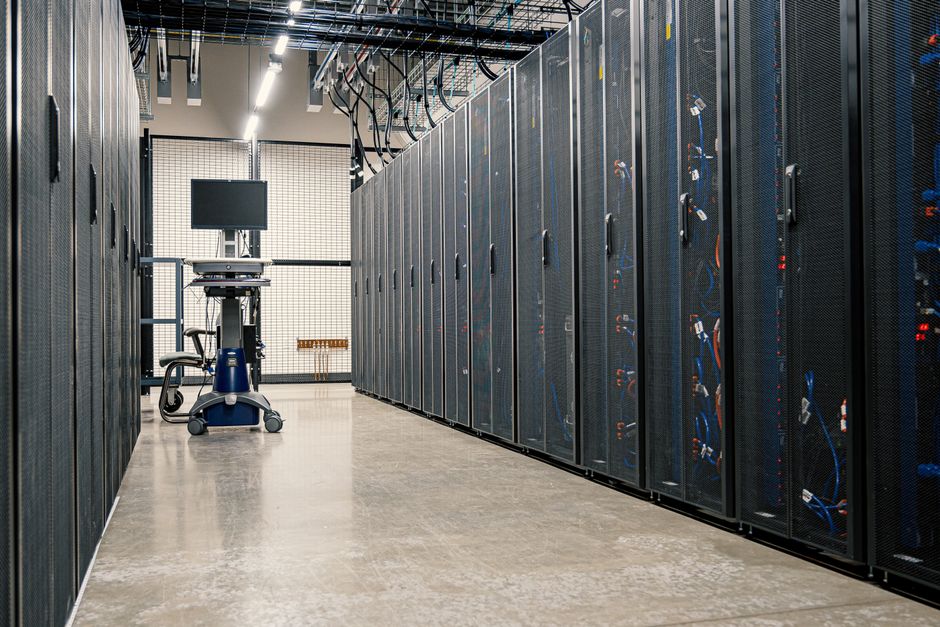
Large-scale datacentre projects worldwide are facing significant delays and cancellations, posing a serious threat to the growth of artificial intelligence (AI) technologies. As of July 2026, many of these projects have been halted due to energy supply issues, soaring construction costs, and legal challenges. These disruptions could slow the deployment of AI solutions that rely heavily on robust datacentre infrastructure.
The Uptime Institute reports that approximately half of the 250 global datacentre projects, each requiring over 100 megawatts of energy, may not proceed as planned. This raises serious concerns for AI firms that depend on these facilities to train and operate their advanced models. Google has acknowledged that its cloud services are currently “compute-constrained,” highlighting the direct link between datacentre availability and the effective delivery of AI services. The ongoing energy crisis has exacerbated these constraints, as many regions struggle to meet rising electricity demands.
Challenges in Project Timelines and Resource Allocation
Delays in datacentre construction are directly impacting project timelines in the AI sector. Many AI firms have ambitious plans for growth, but without the necessary infrastructure, these goals remain unattainable. The recent cancellation of major projects, such as the Prince William Digital Gateway in Virginia, underscores the challenges developers face. Local opposition, high costs, and energy supply issues are just a few hurdles that can stall progress. A report from Wingeek indicates that these cancellations are part of a broader trend threatening AI projects globally.
Consequently, competition for existing datacentre resources is intensifying. Companies with established datacentre operations are likely to gain an advantage, enabling them to scale their AI capabilities faster than newcomers. This creates a bottleneck where only a few can afford to expand their AI services, while others may struggle to keep pace. Career Ahead’s analysis suggests that this competitive landscape will concentrate AI talent and resources within established firms, potentially stifling innovation as smaller companies lack the infrastructure to compete.
Moreover, the energy demands of these datacentres are staggering. Planned projects are expected to consume 1.3% of the world’s electricity by 2025, nearly doubling current datacentre demand. With 80% of this new demand originating from US projects, concerns arise about the sustainability of existing power grids. Uptime’s reports indicate that many regions are already under strain, complicating efforts to meet the energy needs of new datacentre projects. Many datacentres are situated in areas where energy resources are already stretched thin, leading to potential conflicts over energy allocation.
Career Ahead’s analysis suggests that this competitive landscape will concentrate AI talent and resources within established firms, potentially stifling innovation as smaller companies lack the infrastructure to compete.
The growing preference for Chinese AI tools is transforming the software development scene across the continent. Developers are attracted to these models due to their…
This uncertain and competitive environment poses significant challenges for data center engineers and cloud architects. They must navigate technical challenges and the evolving landscape of project viability and resource allocation. As projects face delays or cancellations, engineers may need to adapt to new technologies or methods to remain relevant. The pressure to innovate and find alternative solutions is mounting as the traditional datacentre model becomes increasingly untenable.
Exploring Alternative AI Solutions
The slowdown in datacentre projects may compel companies to seek alternative AI solutions. As traditional datacentre models encounter obstacles, firms might explore decentralized computing, edge AI, or hybrid cloud solutions that rely less on large datacentre infrastructure. These alternatives could provide more flexibility and resilience against current challenges. This shift is not merely a reaction to difficulties but a strategic move that could transform how AI is developed and deployed.
For instance, edge computing processes data closer to the source, reducing latency and bandwidth usage. This approach is particularly beneficial for AI applications requiring real-time processing, such as autonomous vehicles or smart city technologies. Career Ahead research indicates that as companies pivot towards these solutions, the demand for professionals skilled in edge computing will rise, creating new job opportunities and reshaping the skills needed in the AI workforce.
Additionally, the push for sustainability in technology is prompting firms to consider greener alternatives for AI infrastructure. By investing in renewable energy and energy-efficient technologies, companies can address some challenges associated with traditional datacentre models. This shift not only addresses environmental concerns but also aligns with the increasing demand for sustainable practices from consumers and investors. Aimagazine notes that integrating sustainability into AI infrastructure could become a critical factor for companies seeking investment and talent.
Adapting to a Changing Landscape
As the AI development landscape evolves, professionals must stay informed about these trends. Cloud architects and data center engineers should focus on acquiring expertise in alternative computing models and sustainability practices to maintain their competitiveness. The ability to adapt will be crucial as the industry grapples with the complexities of datacentre delays and cancellations.
Google's appointment of Demis Hassabis marks a significant shift in AI leadership, emphasizing ethical development and real-world applications amidst departures of key researchers. This change…
In summary, the current delays in datacentre projects present both challenges and opportunities for the AI sector. As firms navigate resource constraints and shifting timelines, the need for innovative solutions becomes increasingly urgent. The future of AI development may hinge on discovering new ways to leverage technology and infrastructure in this rapidly changing environment.
Career Ahead research indicates that as companies pivot towards these solutions, the demand for professionals skilled in edge computing will rise, creating new job opportunities and reshaping the skills needed in the AI workforce.
Frequently Asked Questions
What are the implications of datacentre delays for data center engineers?
Data center engineers may face increased pressure to innovate and adapt as traditional projects stall. They will need to focus on alternative computing methods and sustainability practices to remain relevant.
How can cloud architects mitigate risks from stalled projects?
Cloud architects can explore decentralized computing and edge AI solutions as alternatives to traditional datacentre models, offering more flexibility and resilience amid ongoing project delays.
What should AI researchers focus on if datacentre resources are limited?
AI researchers should consider utilizing edge computing and hybrid cloud solutions to continue their work effectively, helping to mitigate the impact of datacentre delays on their research and development efforts.




AI & Technology

 AI & Technology