No products in the cart.

Supreme Court Tariff Ruling: Small Business Refunds in Limbo

The Supreme Court's ruling on Trump's tariffs offers potential refunds for small businesses, but uncertainty and a lengthy claims process leave many owners doubtful.

“`html
The Supreme Court’s Ruling: Impact on Small Businesses
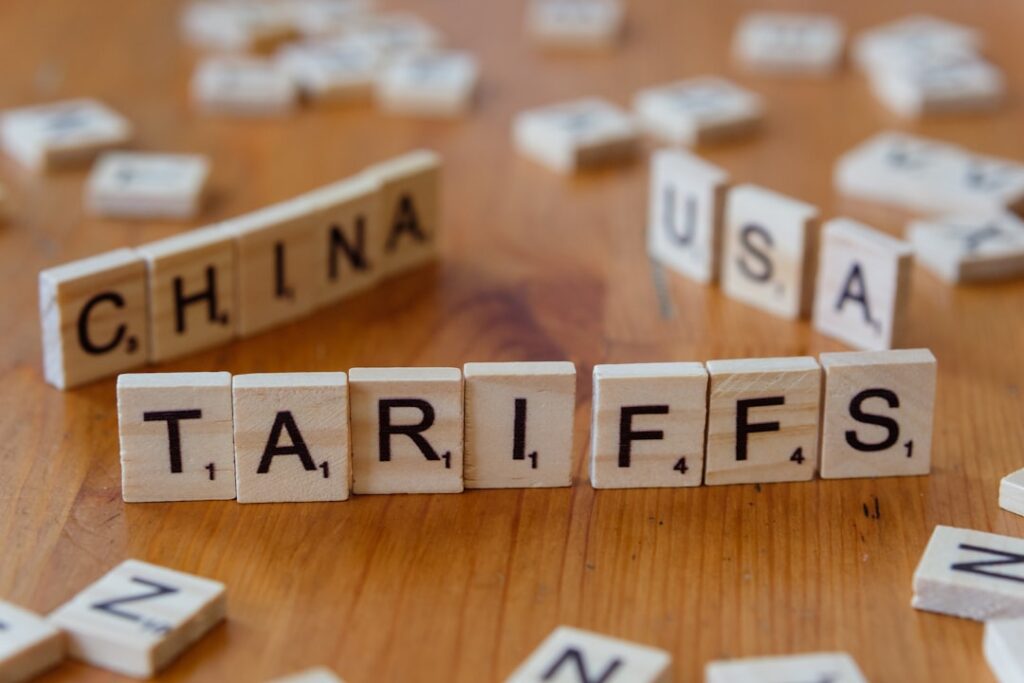
The Supreme Court recently struck down Donald Trump’s tariff policy, potentially freeing up “up to $175 billion in refunds.” For the 30 million small businesses in the U.S., this figure seems promising. However, the relief won’t come quickly. The ruling left the details of reimbursement to the Treasury and the international Trade Commission, which have not yet provided a timeline or claim submission process.
Many business owners, burdened by import duties, see the ruling as uncertain rather than reassuring. Elizabeth Vitanza, who co-owns a lighting and home furnishings store in Los Angeles, expressed her frustration: “We finally have a court saying the tariffs were illegal, but the money we set aside for a new showroom is still stuck in limbo.” Her experience reflects the concerns of many small-business owners who faced hefty tariffs on large orders in 2024, impacting their cash flow for hiring and inventory.
Even former President Trump acknowledged that the refund process might take “the next five years.” This uncertainty has turned optimism into a waiting game. After the ruling, many entrepreneurs contacted the Guardian, sharing that the legal victory feels empty without a clear path to refunds.
Takeaway: Small businesses should view the ruling as a possibility, not a guarantee, and start documenting all tariff-paid imports to prepare for a lengthy claims process.
understanding the Refund Claims Process
The refund process involves complex paperwork, deadlines, and legal details. To qualify, businesses must submit a claim outlining the import entry, duty paid, and the legal basis for the refund—all within a timeframe that the Treasury has yet to specify. The International Trade Commission, usually focused on anti-dumping investigations, is now creating guidance for a process it has never managed before.
“You’re looking at legal fees, accounting services, and the opportunity cost of staff time,” said a senior partner at a law firm that has started receiving inquiries from small-business owners.
Industry lawyers warn that the costs of pursuing a claim may outweigh the benefits for many small businesses. “You’re looking at legal fees, accounting services, and the opportunity cost of staff time,” said a senior partner at a law firm that has started receiving inquiries from small-business owners. For one Texas furniture maker, hiring legal counsel feels like “adding another layer of expense on top of a tariff that already cut into our profits.”
You may also like
 Government & Policy
Judge dismisses antitrust lawsuits over Google’s AI Overviews
The plaintiffs, Chegg, an education technology company, and Penske Media Corporation, which owns Rolling Stone, claimed that Google's AI Overviews diverted web traffic away from…
Read More →Additionally, the Treasury plans to allocate refunds on a first-come, first-served basis. This creates a race: businesses that act quickly may secure a larger share of the $175 billion, while slower applicants risk missing out as funds dwindle.
Some best practices are emerging. A coalition of small-business associations is sharing a template claim package that includes checklists for customs documentation, invoices, and bank statements. They also recommend that owners keep copies of all communications with customs brokers, as these records are crucial for early refund petitions filed by larger importers.
Takeaway: Establish a disciplined record-keeping system now; working with a trade-focused accountant or legal advisor early can lower filing costs and improve refund chances.
The Broader Impact on Small Business Strategy
The tariff situation has changed how small businesses approach supply chains, pricing, and growth. The five-year tariff increases—averaging at least 12%—forced many owners to absorb costs, raise prices, or drop certain products. This has affected inventory choices, hiring, and supplier locations.
The Broader Impact on Small Business Strategy The tariff situation has changed how small businesses approach supply chains, pricing, and growth.
Many entrepreneurs now see diversification as essential. A Texas furniture maker shared, “We used to rely on one European manufacturer for 70% of our stock. Since the tariffs, we’ve split orders between Mexico, Vietnam, and a domestic mill, even though it complicates logistics.” While this strategy reduces tariff exposure, it introduces new challenges like longer lead times and varying quality standards.
The uncertainty around refunds also affects businesses’ ability to raise capital. Venture capitalists and community banks are wary of “unrealized liabilities” and have tightened credit for firms with significant tariff expenses. Consequently, many owners are opting for “maintenance mode,” conserving cash instead of pursuing growth opportunities.
You may also like
 Government & Policy
Ethanol Blending Diversifies India’s Agricultural Landscape
Gadkari's remarks come in the wake of a growing push for renewable energy sources in India, particularly in the agricultural sector. The minister noted that…
Read More →
Despite these challenges, some businesses are finding ways to innovate. A boutique apparel brand in Chicago has launched a “Made-in-America” line, promoting it as a safeguard against future trade issues. Although this initiative incurs higher production costs, it allows for premium pricing that appeals to consumers concerned about supply-chain ethics.
Takeaway: Small businesses should build supply-chain resilience into their strategies by diversifying sources, exploring domestic production, and aligning product narratives with risk management to prepare for future policy changes.
Looking Ahead: The Future of Small Businesses Post-Tariff
The Supreme Court’s decision has ended one legal chapter but opened a complex new one for small businesses. As the Treasury develops its refund framework and courts may review the allocation process, entrepreneurs must navigate a landscape where legal wins depend on effective administrative follow-through.
Takeaway: Small businesses should build supply-chain resilience into their strategies by diversifying sources, exploring domestic production, and aligning product narratives with risk management to prepare for future policy changes.
It’s clear that the era of relying on low-cost, single-source imports is over for many. The next phase of small-business strategy will focus not just on minimizing costs but on balancing expenses, risks, and brand narratives in a rapidly changing policy environment. Businesses that prioritize documentation, diversify their supply chains, and invest in professional advice will be best positioned to turn the $175 billion promise into real financial benefits.

You may also like
 Entrepreneurship & Business
Founders Navigate TechCrunch Disrupt 2026
TechCrunch Disrupt 2026, from October 13-15, is a key event for startup founders to showcase innovations, network with industry leaders, and secure funding opportunities.
Read More →In a market where the next headline could change everything, the real advantage will come from the ability to anticipate, adapt, and act before the