No products in the cart.

Surge in High Voltage Conductor Demand Fuels Tech Upgrades

The demand for high-capacity conductors comes from the growing generation of thermal and renewable energy. These advanced conductors can carry about four times the load of traditional conductors.

India’s electricity consumption has surged by 34% from FY19 to FY25. This rise has led to a significant increase in demand for high voltage power conductors. Local firms are preparing to meet this demand through strategic technology collaborations. These developments are crucial for improving power transmission and distribution across the country.
The demand for high-capacity conductors comes from the growing generation of thermal and renewable energy. These advanced conductors can carry about four times the load of traditional conductors. They do this without needing to replace existing transmission towers. This capability is vital as India expands its energy infrastructure to handle rising consumption and reduce distribution losses.
Emerging Technologies in High Voltage Power Conductors
Recent advancements in high voltage power conductors are changing the energy landscape. Companies like Laser Power & Infra Ltd are partnering with international firms like TS Conductor Corp. This collaboration aims to produce specialized conductors locally. It enables the creation of advanced conductors, such as Aluminium Conductor Steel Support (ACSS) and Aluminium Encapsulated Carbon Core Conductor (AECC). According to a report from CTC Global, these advanced conductors are essential for grid expansion. They significantly enhance the capacity of existing transmission lines while reducing energy losses.
Career Ahead’s analysis shows that these technological partnerships are crucial for local firms. They help enhance product offerings and meet the energy sector’s evolving demands. The shift towards high temperature low sag (HTLS) conductors is gaining traction. These conductors provide better performance and efficiency, making them suitable for modern energy needs. Additionally, integrating advanced technologies in conductor manufacturing boosts capacity and promotes sustainability by minimizing energy losses. This is vital as India aims for a greener energy future.
Data from transmission.epri.com indicates that advanced conductors can greatly improve the capacity of existing transmission lines. These enhancements are crucial as the energy sector faces increasing load requirements and the need for efficient distribution systems. The market for high voltage conductors is expected to reach ₹23,000 to ₹25,000 crore by FY30, according to CRISIL estimates. This growth shows a strong demand for skilled professionals, especially high voltage power engineers, who are essential for managing and implementing these advanced technologies.
This growth shows a strong demand for skilled professionals, especially high voltage power engineers, who are essential for managing and implementing these advanced technologies.
You may also like
 Industry & Global Trends
Buy-and-Hold Era Ending? Portfolio Strategies Evolve
This change is significant for both retail investors and investment managers, prompting a reevaluation of portfolio strategies. The factsheet indicates that a static approach could…
Read More →As the energy landscape evolves, the need for innovative solutions grows. The collaboration between local firms and international technology providers is about enhancing product lines and fostering a culture of innovation. This culture can adapt to the rapidly changing energy demands. A recent article from IEEE Spectrum highlights that reconductoring and enhancing grid capacity is crucial for meeting future energy needs efficiently.
Opportunities for Energy Sector Project Managers
The rising demand for high voltage power conductors offers significant opportunities for energy sector project managers. As local firms expand their capabilities through technology partnerships, project managers will play a key role in overseeing these initiatives. Their expertise in managing complex projects will be vital as the energy sector undergoes rapid changes. Coordinating between different stakeholders, including technology partners and regulatory bodies, will be essential to ensure projects are completed on time and within budget.
Career Ahead research shows that project managers who can effectively coordinate with stakeholders will be in high demand. This ability to facilitate collaboration is crucial for ensuring projects are completed efficiently. The industrial sector, which accounts for about 40% of total electricity consumption in FY25, is experiencing robust growth. This surge is creating a need for new substations, transmission lines, and high-quality conductors. Project managers must adapt to these evolving demands while focusing on integrating advanced technologies.
As firms like Laser Power report increasing order books, with an order book of ₹3,243 crore for FY26, project managers must ensure these projects align with strategic growth objectives. Managing resources effectively and implementing advanced solutions will be key to navigating this competitive landscape. Integrating advanced conductor technologies into project plans will enhance project viability and support the energy sector’s sustainability goals.
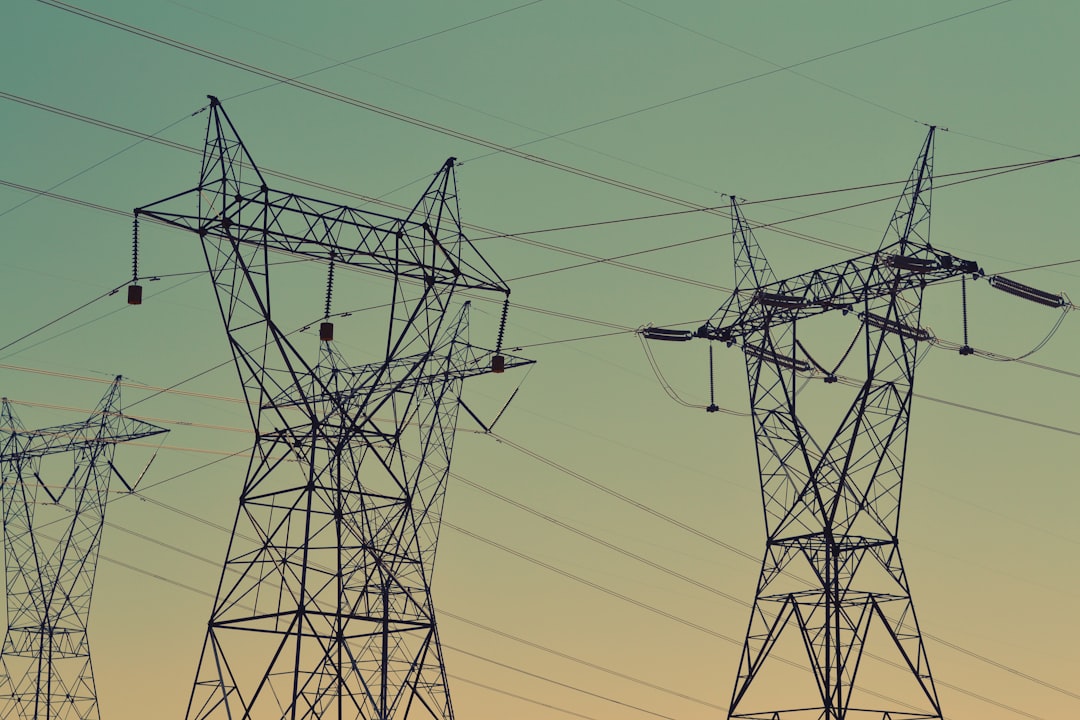
The surge in demand for high voltage power conductors highlights the need for skilled professionals in the energy sector.
The energy sector is not just expanding; it is also evolving. Project managers who can leverage emerging technologies and foster partnerships will be well-positioned to lead in this dynamic environment. As the demand for high voltage power conductors continues to rise, project managers will play a critical role in ensuring that energy infrastructure meets the growing needs of consumers and industries.
You may also like
 Industry & Global Trends
HDFC Bank Shares Surge 2% After CEO Appointment
The appointment of Bagchi, who has over three decades of experience in banking, signals a return to stability in leadership after a period of uncertainty.
Read More →The surge in demand for high voltage power conductors highlights the need for skilled professionals in the energy sector. As consumption rises, local firms are forming strategic partnerships to innovate and enhance their capabilities. This trend indicates a shift towards collaborative innovation, suggesting a potential skill gap in project management and technology integration within the industry.
Looking ahead, the energy sector’s trajectory suggests that integrating advanced technologies will continue to reshape the landscape. As local firms ramp up production and enhance their capabilities, the demand for skilled high voltage power engineers and adept project managers will only increase. The question remains: how will the energy sector adapt to these changes while ensuring efficient and sustainable power delivery?
Frequently Asked Questions
What skills are needed for high voltage power engineers in the current market?
High voltage power engineers need strong technical skills in advanced conductor technologies. They should also have project management capabilities and understand regulatory standards. Collaborating with international partners to innovate and implement new solutions is also essential.
Networking with industry professionals and engaging in collaborative projects can enhance their career prospects.
How can energy sector project managers leverage tech tie-ups for project success?
Project managers can leverage tech tie-ups by facilitating collaboration between stakeholders. They must ensure projects align with strategic goals. Focusing on integrating advanced technologies will enhance project efficiency and reduce costs.
What should high voltage power engineers do to stay competitive in a growing market?
To stay competitive, high voltage power engineers should continuously update their skills in emerging technologies. Participating in relevant training programs is also important. Networking with industry professionals and engaging in collaborative projects can enhance their career prospects.
You may also like
 Industry & Global Trends
Let’s build a better future for female scaffolders | Letter | Career Outlook
Emma Claassen, founder of WiSA, emphasizes that scaffolding requires more than just physical strength; it demands skill, teamwork, and proper training.
Read More →