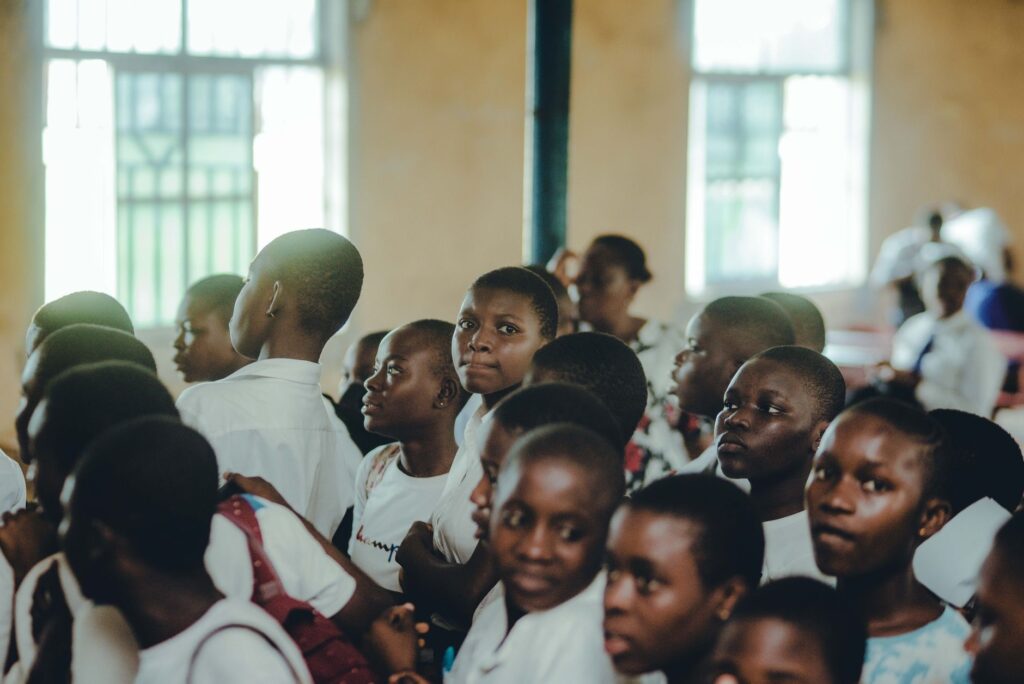
Violent incidents targeting African migrants have intensified in Johannesburg, Durban and surrounding informal settlements during April‑July 2026.The unrest has forced many migrant children to miss classes, relocate or withdraw from schools.
In the weeks of April 29, 2026, July 1, 2026, and July 21, 2026, coordinated attacks and protests against foreign nationals were reported across multiple South African cities [3][2][4]. Police and government officials documented a rise in intimidation, property damage, and lethal assaults on African migrants in both urban centers and informal settlements [1][3]. The violence coincided with public demonstrations that were described as “peaceful” by organizers but included hidden acts of aggression, according to a national intelligence briefing [2].
Human Rights Watch, the Human Rights Law Resource Centre, and local media identified the primary participants as vigilante groups, anti-immigration activists, and, in some cases, residents of informal settlements [3][1]. The National Joint Operational and Intelligence Structure (NatJoints) released a statement on July 1, 2026, characterizing the Durban protests as “anti-migrant” and noting the involvement of organized vigilante factions [2]. South African police recorded multiple arrests but reported limited capacity to prevent further attacks [3].
Timeline of Recent Incidents
The first documented wave of attacks occurred on April 29, 2026, when demonstrators in Johannesburg clashed with migrant shop owners, resulting in injuries and the temporary closure of nearby schools [3]. Police reports indicated that several foreign-national students were unable to attend classes the following week due to safety concerns [3].
A second escalation was recorded on July 1, 2026, when NatJoints briefed the media on protests in Durban that involved dozens of migrants camping outside the Diakonia Centre. The briefing noted that while the protests were presented as “peaceful,” participants engaged in intimidation tactics that disrupted local schools and forced some students to seek shelter elsewhere [2].
Police reports indicated that several foreign-national students were unable to attend classes the following week due to safety concerns [3].
The most recent incidents, reported on July 21, 2026, involved coordinated raids on informal settlements near Johannesburg. According to a New York Times investigation, armed groups entered the settlements, targeting African migrants and causing several families to relocate, thereby interrupting the children’s enrollment in nearby public schools [4].
Organizations and Authorities Involved
Surge in South African Xenophobic Violence Disrupts Education for Immigrant Students
The South African government’s response has been documented by the Human Rights Law Resource Centre, which highlighted a pattern of delayed or insufficient police action during the April-July period [1]. The Centre’s report noted that law-enforcement units were often dispatched after attacks had already occurred, limiting their ability to protect vulnerable communities [1].
NatJoints, a joint operational and intelligence body, has been tasked with monitoring the protests and providing briefings to the media. Its July 1, 2026, statement identified specific anti-immigration activist groups and local vigilante networks as primary actors, but did not disclose the names of individual participants [2].
The launch comes at a time when media consumption patterns are rapidly changing. Viewers increasingly prefer on-demand content and real-time updates, prompting networks like Bloomberg…
Human Rights Watch released a separate analysis on May 20, 2026, describing the attacks as “new waves of xenophobic violence” and calling for a stronger governmental response. The organization documented over 30 incidents involving physical assaults, property destruction, and threats directed at African and Asian foreign nationals [3].
Educational institutions, including public schools in Johannesburg’s Soweto district and Durban’s eThekwini municipality, reported heightened absenteeism among migrant students. School administrators communicated with parents and local authorities to arrange temporary learning spaces, but noted that the lack of consistent security measures hampered sustained educational delivery [1][4].
Effect on Immigrant Students’ Education
The immediate impact on immigrant students includes missed school days, forced relocation, and, in some cases, withdrawal from formal education. Data collected by the Human Rights Law Resource Centre indicated that between April and July 2026, approximately 1,200 migrant children in Johannesburg and 800 in Durban experienced disruptions to their schooling [1].
Educational institutions, including public schools in Johannesburg’s Soweto district and Durban’s eThekwini municipality, reported heightened absenteeism among migrant students.
School officials in Johannesburg reported that teachers were required to implement emergency safety protocols, such as lockdown drills and temporary class cancellations, whenever violence erupted near school premises [3]. In Durban, the Diakonia Centre’s educational outreach program documented a 35% decline in attendance among migrant learners during the July 2026 protests [2].
The disruptions have broader implications for academic progression and language acquisition among migrant children, who often rely on public schools for integration into the South African education system. The loss of instructional time, combined with psychological stress from exposure to violence, is expected to affect performance in national examinations scheduled for the end of the academic year [4].
Key Facts
What: Xenophobic attacks in Johannesburg, Durban, and informal settlements have disrupted schooling for immigrant students.
In September, the economy added just 150,000 jobs, a stark contrast to the 200,000 jobs analysts had predicted. This slowdown comes amid ongoing inflationary pressures,…




 News
NewsNews