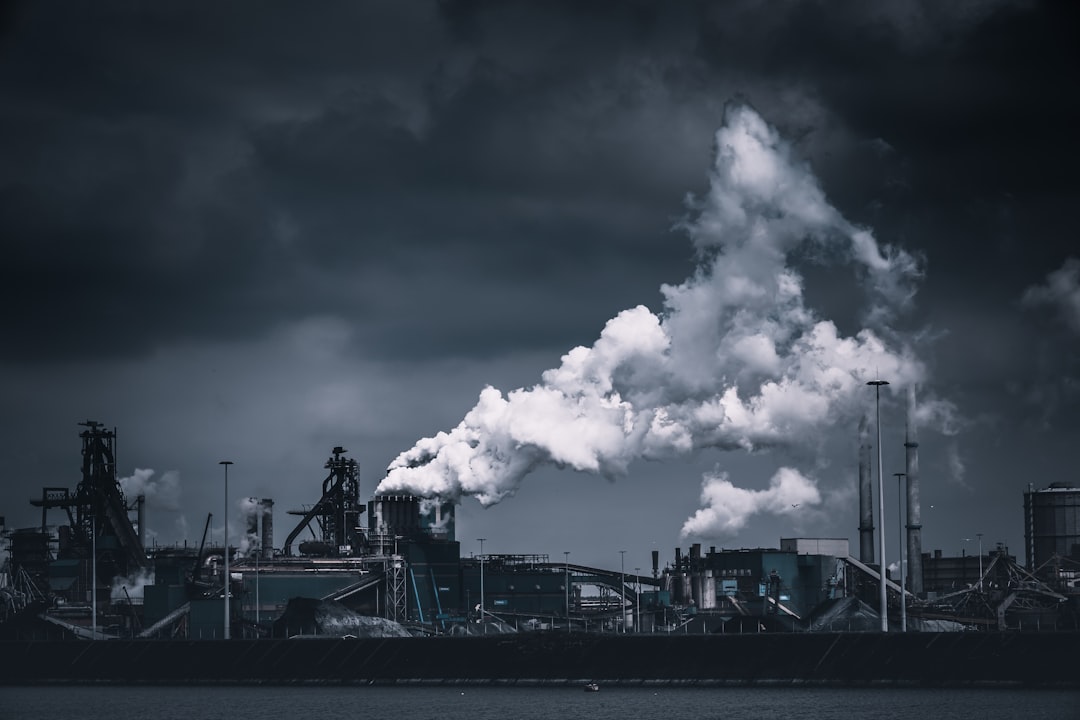
Tata Steel's low-emission project in the UK is facing significant delays due to challenges in securing electricity access, potentially pushing back its timeline by up to eight months.
Tata Steel’s low-emission project in the UK is encountering significant delays, primarily due to challenges in securing electricity access. These issues may extend the project’s timeline by up to eight months, highlighting the critical role of energy infrastructure in sustainable manufacturing.
The delays stem from difficulties in coordinating with the National Grid and the Electricity System Operator (ESO). Tata Steel aims to transition its Port Talbot facility from a traditional blast furnace to a more sustainable electric arc furnace (EAF) system, which is expected to significantly reduce carbon emissions.
Electricity Access Challenges
Koushik Chatterjee, Executive Director and CFO of Tata Steel, confirmed that the company is facing setbacks in obtaining high-voltage electricity connections. The £1.25 billion project was initially scheduled to commence operations by late 2027 or early 2028, but this timeline may now extend by six to eight months due to connectivity issues.
The National Grid has officially notified Tata Steel of potential delays in constructing the necessary electrical infrastructure for the new EAF. This situation has raised concerns among stakeholders, as Chatterjee noted that while major demolition work is complete and equipment fabrication is ongoing, the delay in securing electricity access is a critical issue.
This development is particularly concerning given the UK government’s goal to decarbonize the steel industry, aiming for a 90% reduction in carbon dioxide emissions, equivalent to about five million tonnes annually. These delays pose a significant obstacle to Tata Steel’s sustainability objectives and reflect broader challenges within the energy sector.
This development is particularly concerning given the UK government’s goal to decarbonize the steel industry, aiming for a 90% reduction in carbon dioxide emissions, equivalent to about five million tonnes annually.
Impact on Project Management and Industry Practices
The setbacks in securing electricity access for Tata Steel’s low-emission project underscore the necessity for robust project management strategies in manufacturing, particularly for large-scale sustainability initiatives. Project managers may need to reassess timelines and resources, potentially altering how such projects are planned and executed.
Industry analysts suggest that the challenges faced by Tata Steel could prompt project managers in the steel sector to adopt more flexible strategies. This may involve developing contingency plans that incorporate alternative energy solutions or partnerships with local energy providers to facilitate smoother project execution.
Moreover, this situation may drive a shift towards renewable energy solutions within the industry. As companies like Tata Steel strive for sustainability, there will likely be an increased focus on integrating renewable energy sources into their operations, leading to a higher demand for environmental engineers and project managers skilled in renewable technologies.
The extended engagement will ensure the stability and reliability of the platform, which handles key functions such as benefit applications and payments.
Regulatory Considerations and Future Infrastructure Needs
The delays may also have regulatory implications, as Tata Steel’s project is part of a broader government initiative to green the steel industry. Environmental regulations could evolve in response to these challenges, influencing how future projects are planned and executed.
Overall, this situation highlights the interconnectedness of energy infrastructure and sustainability goals. As Tata Steel works to resolve its electricity access issues, the outcomes may serve as a case study for other manufacturers facing similar challenges.
Future Developments in Energy Infrastructure
The ongoing delays in Tata Steel’s project raise critical questions about the future of energy infrastructure in the UK and its capacity to support ambitious sustainability initiatives. With a growing emphasis on decarbonization, reliable and efficient energy connections will become increasingly vital.
Future Developments in Energy Infrastructure The ongoing delays in Tata Steel’s project raise critical questions about the future of energy infrastructure in the UK and its capacity to support ambitious sustainability initiatives.
As other manufacturers observe Tata Steel’s experience, there may be a push for more streamlined processes in securing electricity access for large-scale projects. This could lead to policy changes that enhance collaboration between energy providers and manufacturers, ensuring that infrastructure development aligns with industry needs.
Furthermore, this situation could accelerate investments in alternative energy solutions, as companies seek to mitigate risks associated with reliance on traditional energy sources. With the global shift towards sustainability, the steel industry may explore innovative energy solutions that meet operational requirements while aligning with environmental objectives.
Frequently Asked Questions
How will Tata Steel’s project delays affect environmental regulations for steel manufacturers?
The delays in Tata Steel’s project could prompt a review of environmental regulations in the steel industry. As the government intensifies its decarbonization efforts, these challenges may lead to stricter guidelines for energy access and sustainability practices.
What alternative energy solutions can project managers consider in light of these delays?
Project managers may explore partnerships with local energy providers or invest in renewable energy technologies, such as solar or wind energy solutions, to support sustainability goals.
NRIs face unique challenges when managing properties in India, including compliance with local laws and tax regulations. Properties require ongoing attention, management, and budgeting to…
Environmental engineers should develop flexible project plans that account for potential delays, including exploring alternative energy sources and ensuring compliance with evolving environmental regulations to maintain project timelines.
What steps should environmental engineers take to mitigate risks associated with project delays in low-emission initiatives?
Environmental engineers should develop flexible project plans that account for potential delays, including exploring alternative energy sources and ensuring compliance with evolving environmental regulations to maintain project timelines.
Sources: The Hindu, Bloomberg, BBC News, Bing News.



 Industry & Global Trends
Industry & Global Trends