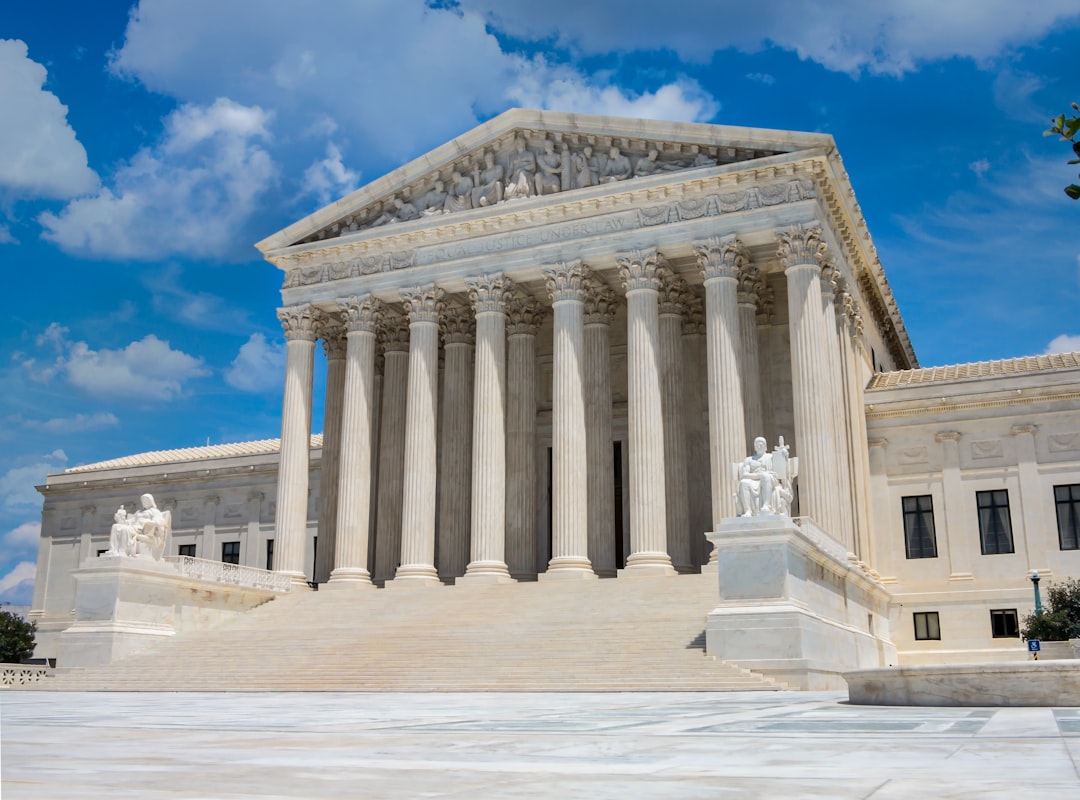
The Supreme Court's draft AI regulations aim to clarify the role of artificial intelligence in the judiciary, ensuring human oversight while addressing concerns about AI reliability in legal contexts.
India’s Supreme Court released draft regulations on June 3, 2026. These regulations propose a framework for using artificial intelligence (AI) in the judicial system. This is the first formal attempt to regulate AI’s role in legal proceedings. The goal is to ensure that AI can assist, but human judges make the final decisions.
The draft regulations respond to concerns about AI’s reliability in legal contexts. There have been incidents where AI-generated content led to wrong judgments. The Supreme Court aims to set clear boundaries for AI’s role in the judiciary. They invite public comments on the proposal until June 20, 2026.
Defining AI’s Role in the Judiciary
The draft regulations outline specific tasks that AI can perform in the legal framework. AI tools may help with legal research, citation verification, document summarization, and case management. However, AI cannot make judicial decisions, determine bail, or assign risk scores to defendants. This distinction is crucial to prevent AI from influencing major legal outcomes while keeping human judgment intact.
Career Ahead’s analysis shows that this cautious approach reflects an understanding of the complexities of legal decision-making. The Supreme Court wants to use AI’s efficiency for routine tasks while ensuring critical judgments are made by humans. This balance is essential as the judiciary faces over 55 million pending cases, worsened by a lack of judges and resources. According to a Mint article, the draft prohibits AI from deciding cases, granting bail, imposing sentences, assessing witness credibility, predicting outcomes, or assigning risk scores. This creates a clear line between human judgment and machine assistance.
The proposed regulations also include a grievance redressal mechanism. This allows litigants to seek relief if they are harmed by improper AI use in court. This shows the judiciary’s commitment to accountability and transparency in using AI technologies. The draft also emphasizes compliance with existing laws, including the Digital Personal Data Protection Act, 2023. This ensures that AI tools used in courts respect privacy and data protection standards, building public trust in the judicial system.
However, successful integration of AI into the judiciary depends on strong frameworks that ensure ethical use and prevent misuse.
AI’s use in legal settings could change how courts operate. By automating tedious tasks, AI can allow judges to focus on complex legal reasoning. This shift could lead to faster case resolutions and better access to justice for litigants. However, successful integration of AI into the judiciary depends on strong frameworks that ensure ethical use and prevent misuse.
Ethical Considerations and Compliance Challenges
Introducing AI into the judiciary raises important ethical questions, especially about bias and transparency. AI systems can unintentionally perpetuate existing biases if not monitored. The draft regulations require annual audits of AI tools to assess their ethical implications. This step could help reduce these risks. Mihir Rale, a partner at Cyril Amarchand Mangaldas, notes that improving productivity through AI is vital for addressing India’s legal backlog. However, without adequate funding and infrastructure, implementing these regulations could face challenges.
Legal professionals must consider these ethical issues as they integrate AI into their work. The focus on human oversight means lawyers and judges need to understand how AI tools work and their limitations. This knowledge is crucial to ensure AI aids rather than undermines justice. Additionally, AI tools must undergo technical and ethical impact assessments before deployment. This presents a compliance challenge. Courts will need to create protocols for evaluating AI systems, which may require extra training for judicial staff and legal practitioners. Consistency across jurisdictions is also important, as varying adoption rates could lead to different legal outcomes.
Experts warn that integrating AI in legal processes must be done carefully. Ankit Sahni from Ajay Sahni Associates cautions that without clear standards and ongoing training, compliance may vary, leading to inconsistencies. The draft regulations show a growing awareness of these complexities, aiming to balance innovation with accountability and ethical governance.
As the Supreme Court moves forward with its draft regulations, the legal community is closely watching how these guidelines will shape future legal practice in India. The changing landscape of AI in law presents both challenges and opportunities. Successfully implementing these regulations will depend on ongoing evaluation of AI’s impact on legal outcomes, public trust, and the efficiency of the judicial process. The question remains: how will these guidelines shape the future of legal practice in India? The answers will likely emerge as the judiciary and legal professionals navigate this new territory together.
Project Jagrook aims to combat the influence of anonymous financial advisors and so-called "finfluencers," who often provide misleading advice to unsuspecting retail investors.
Legal professionals must consider these ethical issues as they integrate AI into their work.
In conclusion, the Supreme Court’s draft AI rules are a significant step toward integrating technology into the legal framework while ensuring human oversight. As legal professionals adapt to these changes, the focus will be on making sure AI enhances justice rather than replaces human judgment.
Frequently Asked Questions
How will the Supreme Court’s AI rules affect legal practice in India?
The Supreme Court’s AI rules will greatly impact legal practice by defining how AI can be used in the judiciary. Legal professionals must adapt to new technologies while keeping human oversight central to decision-making.
What ethical considerations should AI ethicists focus on regarding the new draft rules?
AI ethicists should focus on bias, transparency, and accountability in AI systems used in the judiciary. Regular audits and assessments of ethical implications will be crucial.
What steps should judicial administrators take to comply with the Supreme Court’s AI regulations?
Judicial administrators should create protocols for evaluating AI tools, ensure compliance with data protection laws, and invest in staff training to effectively integrate AI into court processes.




Government & Policy

Government & Policy