Geoffrey Hinton, known as the ‘Godfather of AI,’ recently warned about potential mass unemployment due to advancements in artificial intelligence. During a discussion with Senator Bernie Sanders at Georgetown University, Hinton emphasized that tech firms are heavily investing in AI. They believe these technologies will replace many human workers. This prediction raises concerns in the tech industry about the future of jobs as AI continues to grow.
Hinton’s comments come amid optimism about AI’s capabilities. However, he warns against blind faith in technology. He stated, “It seems very likely to a large number of people that we will get massive unemployment caused by AI.” This aligns with fears among workers, especially in software engineering and data science, where automation is expected to have a big impact. A report by the International Business Times shows that Hinton’s warnings resonate with many experts. They believe that the rapid development of AI could lead to job losses across various industries, not just in tech.
AI’s Economic Logic and Workforce Implications
Hinton explains that the financial motivations behind AI development are clear. Tech companies are investing trillions in data centers and chips to create AI systems that can perform tasks cheaper than human workers. This suggests that as companies invest more in AI, they are more likely to replace their human workforce with automated solutions. Hinton’s analysis reveals a troubling trend: the push for profit may come at the expense of millions of jobs.
Career Ahead’s analysis finds that the rapid integration of AI will require a shift in workforce skills.
Senator Sanders echoed Hinton’s concerns. He cited a report projecting that nearly 100 million jobs in the U.S. could be lost to automation. This affects various sectors, including fast food, customer service, and software development. The implications for young professionals entering the job market are alarming. They could face unemployment rates as high as 25% within the next few years, according to Senator Mark Warner. A recent CNN report highlights that the government is currently unprepared to address the rising threats posed by AI, which could worsen the challenges faced by displaced workers.
 Future Skills & Work
Why Certain Professions Will Thrive Amid Automation
As AI technology advances, certain professions are expected to remain secure from automation. Healthcare professionals, creative artists, and skilled tradespeople rely on human qualities that…
Read More →Career Ahead’s analysis finds that the rapid integration of AI will require a shift in workforce skills. As automation becomes more common, software engineers and data scientists will need to adapt. They should focus on interdisciplinary skills that combine technical expertise with human-centric roles. This may involve a greater emphasis on AI ethics, responsible AI development, and skills that enhance human-AI collaboration. The demand for skills in AI ethics is expected to rise as companies need to address the ethical implications of their technologies. This creates new opportunities for tech professionals to contribute meaningfully while managing the risks of AI deployment.
Moreover, the broader economic implications of AI cannot be overlooked. As Hinton noted, the drive for profit in tech may overshadow the need for responsible AI development. The focus on short-term gains could lead to ignoring the long-term consequences of AI deployment. This requires a collective effort among tech companies, policymakers, and society to ensure that AI technologies are developed and implemented ethically. The potential for massive unemployment raises questions about economic stability and the future of work. Millions of workers could find themselves without jobs, leading to increased social unrest and a widening gap between those who can adapt to new technologies and those who cannot.
Shifting Job Landscapes and the Need for Reskilling
The shift towards automation raises important questions about job security for software engineers and data scientists. As AI tools become more capable, many traditional roles may become obsolete. For example, entry-level positions that involve routine coding or data entry are particularly vulnerable to automation. This trend highlights the urgent need for reskilling and upskilling among current professionals.
Career Ahead research shows that reskilling initiatives will be crucial in helping workers adapt.
 Future Skills & Work
How Unions Are Confronting A.I. Threats in the Workplace | Career Outlook
The growing concern over AI's potential to displace jobs has led to a surge in union negotiations. For instance, labor leaders are pushing for new…
Read More →Hinton’s departure from Google in 2023 to speak out about AI risks underscores the urgency of these issues. He argues that while AI may create new job opportunities, these will likely not make up for the jobs lost. The challenge lies in preparing the existing workforce for this transition. Career Ahead research shows that reskilling initiatives will be crucial in helping workers adapt. Organizations will need to implement retraining programs focusing on emerging technologies and interdisciplinary skills. For instance, software engineers might need to learn about AI system design, while data scientists should integrate ethical considerations into their analyses. These skills will be essential for professionals to remain relevant in an increasingly automated job market.
Furthermore, educational institutions will play a key role in shaping the future workforce. Updating curriculums to include AI and ethics can help students prepare for an AI-driven economy. By fostering a mindset of continuous learning and adaptability, educational institutions can equip young professionals with the tools they need to thrive. As highlighted by Fortune, the conversation about AI and employment is far from over. The need for proactive measures to address these challenges is more pressing than ever.

As the job landscape evolves, it is crucial for current workers and students to stay informed about industry trends and emerging technologies. The ability to pivot and adapt will be vital in navigating the uncertain future of work. The implications of AI on employment extend beyond individual job loss; they also encompass broader economic and social dynamics. The conversation surrounding AI and employment is ongoing. As technology continues to evolve, so will discussions about its implications for the workforce. The need for proactive measures to address these challenges is more urgent than ever.
Frequently Asked Questions
What does Hinton’s warning mean for software engineers?
Career Ahead’s analysis shows that software engineers may face significant job displacement as AI tools become more capable. Engineers will need to adapt by acquiring new skills that focus on AI integration and ethical applications.
Professionals should prioritize continuous learning and adaptability.
How can data scientists prepare for job loss due to AI advancements?
Data scientists can prepare by focusing on interdisciplinary skills that combine technical expertise with ethical considerations. Staying updated on AI developments and understanding their implications will be crucial for job security in this evolving landscape.

What steps should professionals take in response to the rise of AI?
Professionals should prioritize continuous learning and adaptability. Engaging in reskilling initiatives and staying informed about industry trends will help mitigate the risks associated with automation and AI advancements.
 Future Skills & Work
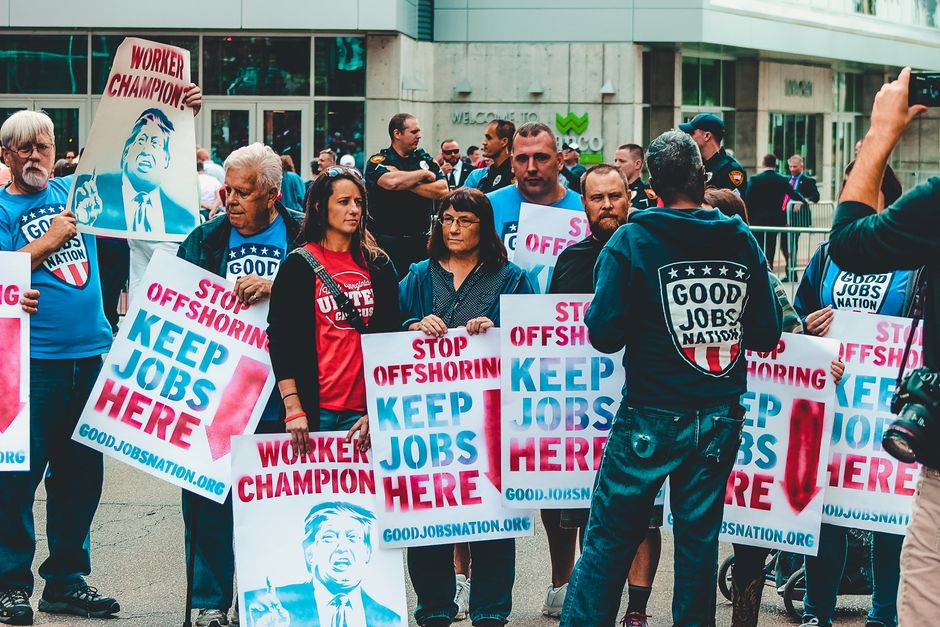
How Unions Are Confronting A.I. Threats in the Workplace
Unions in the manufacturing sector are actively negotiating safeguards against job losses due to AI, focusing on job security and retraining programs for workers.
Read More →Written by Career Ahead AI. AI can make mistakes, so verify key facts. Report errors to support@careeraheadonline.com.