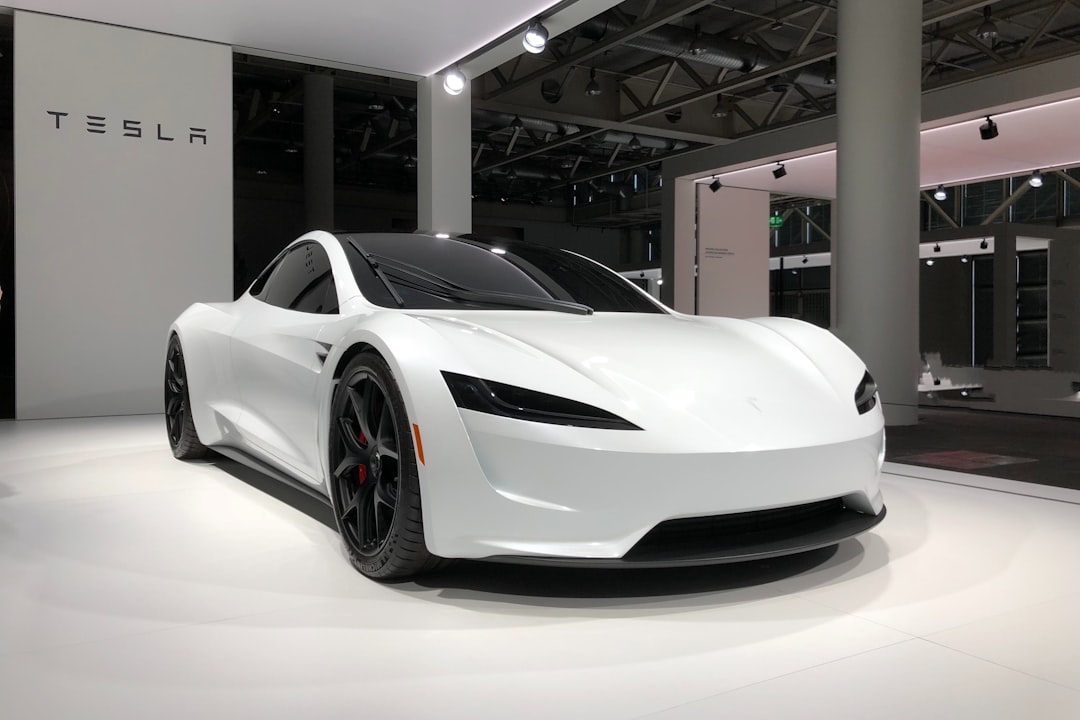
Tesla's sales have rebounded significantly, with global deliveries exceeding expectations. This resurgence is driven by recovering demand in Europe and strategic marketing efforts, while North American sales show a contrasting trend. The implications for competitors in the electric vehicle market are profound as they adapt to shifting consumer perceptions and technological advancements.
Tesla has reported a remarkable recovery in its sales performance for the second quarter of 2026, with deliveries surpassing Wall Street expectations. The company delivered 480,126 vehicles from April to June, marking a 25% increase from the previous year and exceeding analysts’ estimates of 402,776 vehicles. This surge indicates that Tesla’s auto business is regaining momentum after two consecutive years of declining sales, which is critical for its ambitious plans in areas like autonomous driving and artificial intelligence.
The strong sales figures are largely attributed to recovering demand in Europe, where government incentives, rising fuel prices, and an easing of the backlash against CEO Elon Musk have all contributed to a favorable market environment. According to a report by The Guardian, the resurgence in consumer interest is also linked to Tesla’s strategic pricing adjustments and enhanced marketing efforts that have effectively communicated the value of its vehicles. Meanwhile, sales in North America remain sluggish, although they are declining at a slower rate compared to the overall EV market. This dynamic highlights the contrasting fortunes of Tesla’s global operations and underscores the importance of regional strategies in the electric vehicle sector.
Shifts in Consumer Perception and Market Strategy
As Tesla’s sales rebound, consumer perception of the brand is also evolving. The backlash against Elon Musk’s controversial political views appears to be cooling, allowing the company to regain some of its lost consumer trust. This shift is crucial for Tesla, as brand loyalty and public perception play significant roles in purchasing decisions in the automotive market. Recent data shows that consumers are increasingly valuing sustainability and technological innovation, areas where Tesla has traditionally excelled.
Career Ahead’s analysis identifies that this change in consumer sentiment could lead to a shift in marketing strategies across the electric vehicle industry. Competitors may need to reevaluate their branding and communication approaches to resonate with an audience that is becoming more discerning about ethical considerations and technological advancements. As Tesla continues to innovate, especially in AI and self-driving technology, it sets a benchmark that other manufacturers will likely strive to meet. Moreover, the company’s focus on sustainability and environmental responsibility is becoming a key selling point, as consumers are more inclined to support brands that align with their values.
Additionally, Tesla’s commitment to expanding its product line, including the anticipated Cybercab and enhancements to its full self-driving software, positions it as a leader in the market. This focus on innovation is not just about maintaining current sales figures but also about shaping future consumer expectations. As Tesla pushes the envelope in terms of technology, other manufacturers may feel pressured to accelerate their own development timelines to keep pace. The recent surge in Tesla’s stock price, as noted by Investors.com, reflects investor confidence in the company’s trajectory and its ability to dominate the EV market.
The current landscape indicates a pivotal moment for IT companies as they navigate the integration of AI into their operations, presenting both challenges and opportunities…
As the market adapts to Tesla’s success, understanding the nuances of consumer behavior and preferences will be essential for developing effective sales tactics.
In light of these developments, automotive sales executives should closely monitor Tesla’s marketing strategies and product offerings. As the market adapts to Tesla’s success, understanding the nuances of consumer behavior and preferences will be essential for developing effective sales tactics. The EV landscape is rapidly changing, and those who can anticipate these shifts will be better positioned to succeed. The competitive pressure is mounting, and companies that fail to adapt may find themselves at a significant disadvantage.
Implications for Competitors in the EV Market
The resurgence in Tesla’s sales performance poses significant implications for its competitors in the electric vehicle market. As Tesla sets new records, rival companies must strategize to counteract this momentum. For instance, companies like Rivian, which recently raised its annual delivery forecast, will need to capitalize on their unique selling propositions to attract consumers who may be swayed by Tesla’s technological advancements and brand reputation. The competitive landscape is becoming increasingly crowded, with numerous automakers entering the EV space. This influx of competition means that companies must differentiate themselves not only through product features but also through marketing narratives that resonate with consumers.
Tesla’s recent success underscores the importance of establishing a strong brand identity and a compelling story that aligns with consumer values. Career Ahead research finds that the growing emphasis on sustainability and innovation in the automotive sector will likely influence marketing campaigns across the board. Competitors will need to highlight their own advancements in green technology and electric vehicle infrastructure to remain relevant. This could lead to increased investment in marketing efforts that showcase eco-friendly practices and community engagement initiatives.
Furthermore, as Tesla expands its robotaxi operations and other autonomous technologies, competitors will have to consider how to respond effectively. The advancements in Tesla’s self-driving capabilities could redefine consumer expectations about what features are standard in electric vehicles. As such, automotive marketing specialists should prepare for a landscape where cutting-edge technology becomes a key differentiator in consumer choice. The pressure is on for competitors to innovate rapidly and effectively communicate their advancements to consumers who are increasingly tech-savvy and environmentally conscious.
As the electric vehicle market evolves, companies that can effectively communicate their value propositions while adapting to consumer trends will likely emerge as leaders. The ability to pivot quickly in response to Tesla’s moves will be crucial for maintaining market share. Ultimately, the ongoing developments in Tesla’s sales performance and consumer perception will shape the future of the electric vehicle market. As Tesla continues to innovate and expand, the strategies adopted by competitors will be critical in determining their success in this dynamic environment. The next few quarters will be pivotal in revealing how these trends will unfold and which companies will rise to the challenge.
With rising prices, American homeowners are increasingly tapping into home equity and leveraging AI tools for financial decisions. This trend highlights the intersection of technology…
Ultimately, the ongoing developments in Tesla’s sales performance and consumer perception will shape the future of the electric vehicle market.
Frequently Asked Questions
What strategies can automotive sales executives adopt in response to Tesla’s sales surge?
Automotive sales executives should focus on understanding consumer preferences and adapting their marketing strategies accordingly. Highlighting unique features and sustainability efforts can help differentiate their offerings in a competitive market.
How should electric vehicle marketing specialists adjust their campaigns based on Tesla’s performance?
Marketing specialists should emphasize innovation and sustainability in their campaigns, drawing parallels to Tesla’s advancements. It’s essential to showcase how their products meet evolving consumer expectations for technology and eco-friendliness.
What are the implications of Tesla’s sales trends for the future of electric vehicle marketing?
Tesla’s sales trends suggest that marketing will increasingly focus on technological innovation and sustainability. Competitors must align their messaging with these themes to attract consumers who prioritize these values in their purchasing decisions.


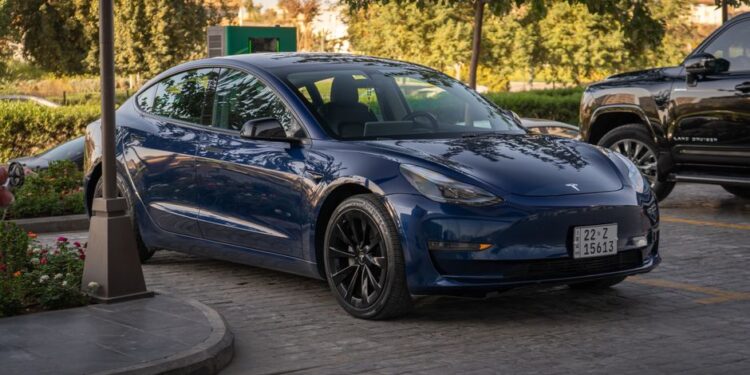

Industry & Global Trends
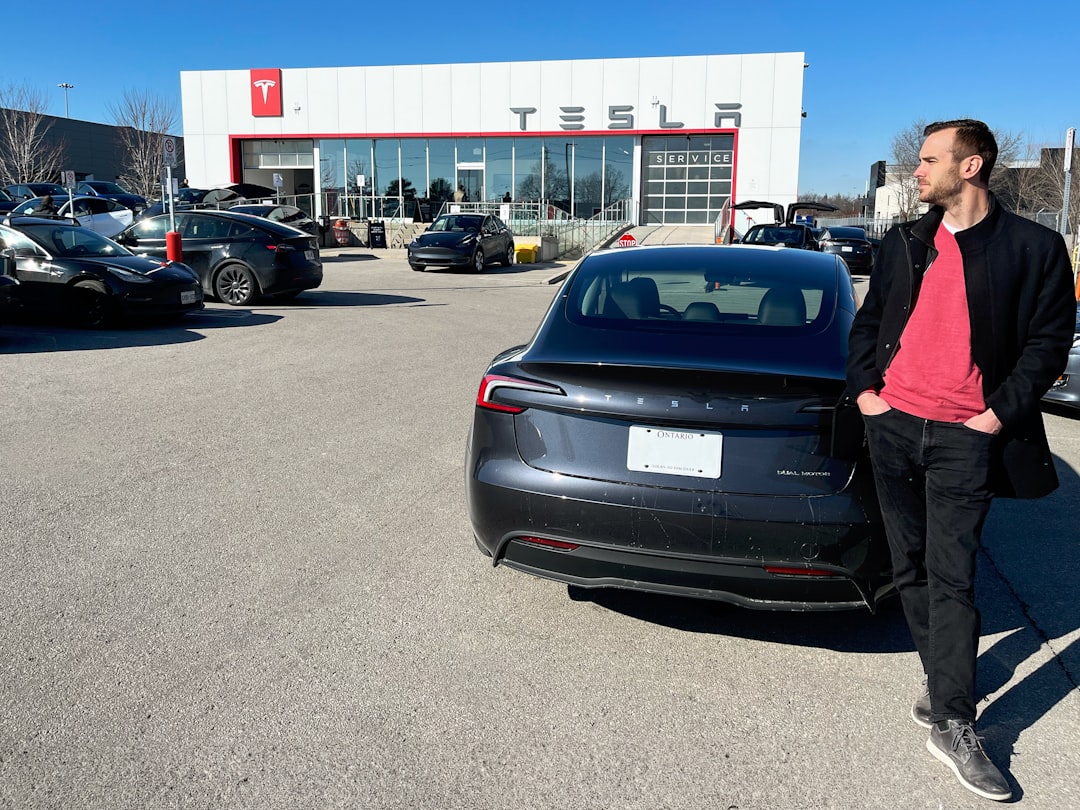
 Industry & Global Trends