No products in the cart.

Constructing Cities for Tomorrow’s Workforce

Discover how urban design can create resilient cities that support mobility and community, crucial for the future workforce.

Barcelona, Spain — As cities around the globe prepare for the future, urban design is evolving to meet the needs of a rapidly changing workforce. The integration of mobility, community engagement, and climate resilience is no longer optional; it is essential for the prosperity of urban areas. This shift is particularly important as the world grapples with the challenges posed by climate change and technological advancement.
Why does this matter now? According to a report by the World Economic Forum, 1.2 billion people are expected to migrate to urban areas by 2050, resulting in a pressing need for cities to adapt to new demands. These changes are not just about accommodating more residents; they are about creating environments that foster innovation, collaboration, and sustainability.
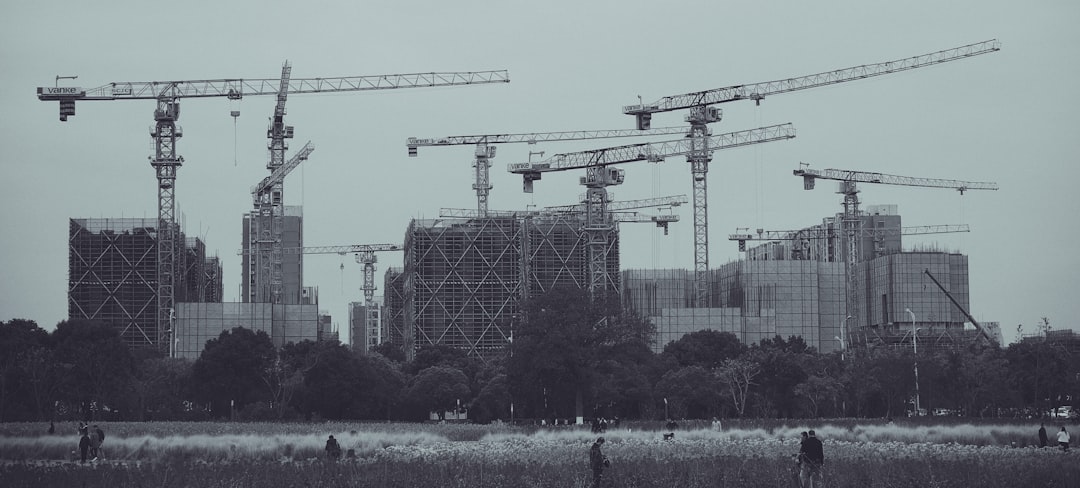
The current urban landscape is marked by a dichotomy. On one hand, cities like Singapore and Amsterdam are leading the charge in creating sustainable, smart urban environments. On the other hand, many cities lag behind, struggling with outdated infrastructure and inadequate public services. This disparity raises critical questions about how urban planning can support the next generation of workers.
Historically, urban design has prioritized cars over people. However, a shift is underway, with cities reimagining their spaces to prioritize pedestrian and cyclist mobility. For example, Paris has implemented extensive bike lanes and pedestrian zones, resulting in a 30% increase in cycling since 2020. This transformation not only reduces carbon emissions but also promotes healthier lifestyles among residents.
This disparity raises critical questions about how urban planning can support the next generation of workers.
Moreover, community engagement plays a pivotal role in shaping urban spaces. Cities that involve residents in the planning process tend to create environments that reflect local needs and values. In Bogotá, Colombia, the 'Ciclovía' program closes streets to cars every Sunday, allowing citizens to reclaim public spaces for recreational use. This initiative fosters a sense of community while encouraging active transportation modes.
Climate resilience is another critical component of modern urban design. Cities like Rotterdam are investing heavily in green infrastructure to combat flooding and extreme weather events. The city’s innovative water plazas, which double as recreational spaces and flood management systems, exemplify how urban design can address environmental challenges while enhancing community life.
However, the transition to resilient cities is not without challenges. Funding remains a significant barrier. According to McKinsey, global infrastructure investments will need to reach $3.7 trillion annually by 2035 to meet urbanization demands and climate adaptation. This figure highlights the urgent need for public-private partnerships and innovative financing solutions to support sustainable urban development.
Perspectives on the future of urban design vary widely. Some experts advocate for a complete overhaul of current systems, arguing that incremental changes will not suffice. Others suggest that leveraging technology can enhance existing frameworks without the need for radical change. For instance, smart city technologies, such as real-time data analytics and IoT devices, can optimize traffic flow and resource management, contributing to more efficient urban environments.
You may also like
 Government & Policy
MSMEs Demand Action on Rising Steel and Metal Prices
Rising material costs have been a persistent issue for MSMEs, which are already grappling with higher prices for diesel, furnace oil, and LPG.
Read More →Looking ahead, the potential for urban areas to adapt and thrive is immense. As cities embrace new technologies and sustainable practices, they also create opportunities for economic growth. A report from the Global Commission on the Economy and Climate suggests that sustainable urban development could generate $24 trillion in economic benefits by 2030.
This figure highlights the urgent need for public-private partnerships and innovative financing solutions to support sustainable urban development.
Ultimately, the cities of tomorrow will need to be resilient, inclusive, and adaptable. By prioritizing mobility, community engagement, and climate resilience, urban planners can create environments that not only support the next generation of workers but also enhance the quality of life for all residents. As we move forward, the question remains: how can we ensure that these developments are equitable and accessible to everyone?