No products in the cart.

The AI data center e-waste problem is huge — and getting bigger
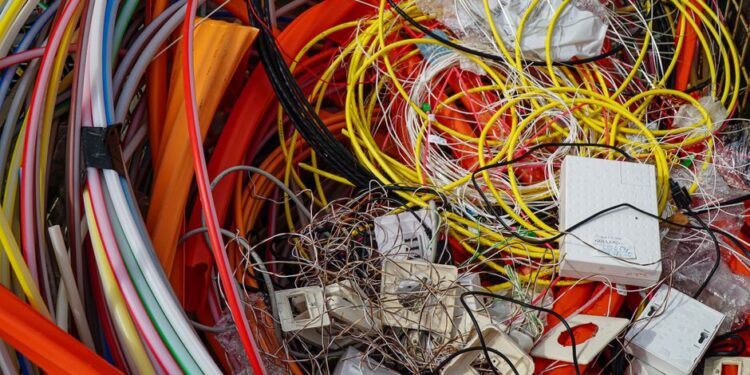
The e-waste generated by AI data centers is projected to reach alarming levels, potentially accounting for 15 to 20 percent of global e-waste by 2050. This underscores the urgent need for improved waste management strategies and innovative solutions in the tech industry.

AI data centers are generating significant amounts of e-waste. A recent report from the Basel Action Network (BAN) estimates that by 2050, this e-waste could fill 23 million shipping containers. This alarming prediction highlights the urgent need for data center engineers and sustainability specialists to adopt better waste management strategies. The high volume of e-waste is not just a statistic; it poses a serious environmental challenge that could have severe consequences if ignored.
The rapid growth of AI technologies has led to a boom in data center infrastructure. As organizations invest heavily in AI, they also create a substantial environmental burden. Career Ahead’s analysis suggests that e-waste from AI-related hardware could constitute 15 to 20 percent of the estimated 211 million metric tons of global e-waste by 2050. This staggering figure emphasizes the necessity for innovative solutions to mitigate the environmental impact of AI technologies.
Understanding the Scope of AI-Related E-Waste
The BAN report reveals that e-waste from AI infrastructure is often underestimated. Traditional estimates focus primarily on servers and GPUs, neglecting the extensive electro-mechanical systems that support data centers, including power supply systems, cooling units, and networking equipment. A report by Data Center Knowledge indicates that the environmental impact of AI extends beyond hardware; it encompasses the entire lifecycle of the technology, from production to disposal.
By broadening the definition of AI-related e-waste, BAN provides a clearer picture of the environmental impact of AI technologies. The report estimates that for every gigawatt of data center capacity, approximately 70,000 metric tons of e-waste will be produced. Projections suggest that total data center capacity could reach 219 gigawatts by 2030, driven by the rising demand for AI services, exacerbating the e-waste crisis.
Such figures underscore the urgent need for improved e-waste management practices in the tech industry.
In comparison, another study estimates that AI servers alone could generate between 131,000 and 225,000 tons of e-waste annually by the end of the decade, comparable to the total e-waste produced by a country the size of Denmark. Such figures underscore the urgent need for improved e-waste management practices in the tech industry. Informal recycling practices in many countries further complicate the issue. In the U.S., for instance, less than a quarter of the 68.3 million tons of e-waste generated each year is formally collected and recycled. Much of the waste ends up in informal channels, where hazardous materials pose serious risks to human health and the environment. As noted by Human-I-T, the lack of proper recycling infrastructure not only harms the environment but also results in lost economic opportunities from valuable materials that could be reused.
Strategies for Sustainable E-Waste Management
To address the e-waste crisis, innovative solutions and a commitment to sustainability from data center engineers and tech companies are essential. One promising approach is to develop sustainable hardware design practices that prioritize recyclability and resource efficiency. Research from computeforecast.com indicates that designing hardware with end-of-life considerations can significantly reduce waste. This proactive approach can lessen the environmental impact of discarded equipment and promote a circular economy in the tech industry.
You may also like
 Industry & Global Trends
'Fuel, finance shocks hit world economy'
Neelkanth Mishra, World Bank Group Executive Director, discusses the challenges posed by rising fuel costs and tightening financial conditions on global economies, particularly India.
Read More →Moreover, implementing advanced e-waste recycling technologies is crucial. These technologies can help recover valuable materials from discarded equipment, reducing the need for new raw materials and minimizing environmental impact. Career Ahead’s analysis suggests that companies investing in these technologies may gain a competitive edge as regulatory pressures increase. As governments worldwide enact stricter e-waste regulations, organizations must adapt their waste management practices to comply with these new standards.
Furthermore, regulatory compliance is becoming essential for tech companies. As governments worldwide impose stricter e-waste regulations, organizations must ensure their waste management practices meet these requirements. Non-compliance can lead to hefty fines and damage a company’s reputation. The changing regulatory landscape is pushing companies to adopt more sustainable practices, which can also drive innovation in product design and waste management strategies.
The Role of Sustainability Specialists
As the demand for AI technologies grows, the pressure on data centers to operate sustainably will increase. Career Ahead’s analysis finds that sustainability specialists will play a vital role in shaping the future of e-waste management in the tech industry. Their expertise will be crucial in developing strategies that balance technological advancement with environmental responsibility. Collaboration between engineers, sustainability experts, and policymakers will be essential in effectively addressing the e-waste crisis.
Career Ahead’s analysis finds that sustainability specialists will play a vital role in shaping the future of e-waste management in the tech industry.
Frequently Asked Questions
What are the best practices for e-waste management in data centers?
Best practices for e-waste management in data centers include designing hardware for recyclability, utilizing advanced recycling technologies, and ensuring compliance with e-waste regulations.
How can sustainability specialists address the e-waste issue in AI tech?
Sustainability specialists can tackle the e-waste issue in AI tech by developing strategies that prioritize sustainable hardware design, promoting responsible recycling practices, and ensuring compliance with regulatory standards.
What technologies can help reduce e-waste in data centers?
You may also like
 Industry & Global Trends
German Economy Growth Shapes Investments, Hiring Trends
Germany's economy is projected to grow by 1% this year, signaling potential changes in investment strategies and hiring trends that business leaders and financial analysts…
Read More →Technologies that can help reduce e-waste in data centers include advanced recycling technologies, sustainable hardware design practices, and systems that aid in recovering valuable materials from discarded equipment.