No products in the cart.

PM interacts with chip industry ahead of Semicon event
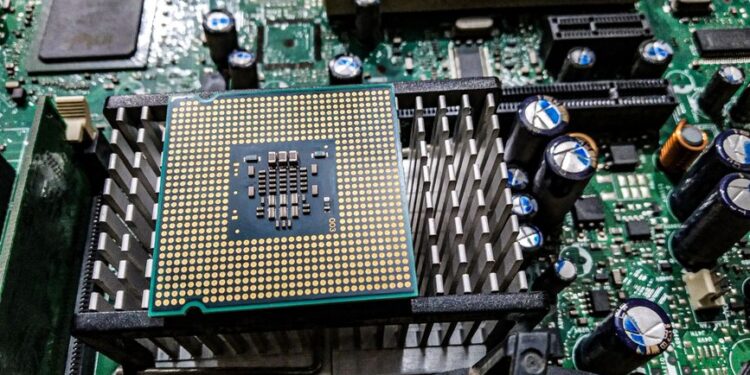
Prime Minister Narendra Modi engaged with semiconductor industry leaders on September 16, 2026, to discuss investments and the future of chip manufacturing in India, coinciding with the launch of the second phase of the India Semiconductor Mission.

India’s Prime Minister Narendra Modi interacted with key executives from the semiconductor industry on September 16, 2026, ahead of the Semicon India 2026 event. This meeting aimed to draw further investments into chip manufacturing and electronics in the country. Leaders from companies like Micron, Intel, and AMD attended, discussing India’s potential in the global semiconductor landscape.
This engagement comes shortly after the government announced the second phase of the India Semiconductor Mission (ISM), which has a budget of ₹1.27 lakh crore. The mission aims to enhance India’s capabilities across the semiconductor value chain, including research and development and advanced technologies. As highlighted by the Economic Times, the ISM 2.0 is designed to cover a broader range of electronics, which is expected to attract a significant influx of foreign direct investment (FDI) into India.
Increased Funding Opportunities for Semiconductor Projects
The Indian government is committed to providing a supportive environment for semiconductor projects. During the interaction, PM Modi emphasized the importance of a predictable policy framework to assure investors. This commitment is crucial as it establishes a stable environment that can foster long-term investments. The government’s proactive stance is expected to create a ripple effect, encouraging private sector participation and innovation.
Career Ahead’s analysis identifies that this substantial funding will open up new avenues for semiconductor engineers and chip design specialists. With the government backing projects financially, there will be more opportunities for these professionals to engage in innovative designs and manufacturing processes. Companies will likely seek skilled engineers to develop next-generation chips that meet both domestic and international demands. Furthermore, the semiconductor industry is expected to create numerous jobs as new facilities are established. For instance, the presence of major players like Intel and Micron can lead to the establishment of research centers and manufacturing plants, which will require a workforce skilled in various aspects of chip design and production.
As the industry evolves, the need for specialized skills will grow. Engineers who can adapt to new technologies and methodologies will be in high demand, particularly in areas such as AI integration and advanced manufacturing processes. This shift indicates a promising future for those entering or currently working in the semiconductor field. Additionally, the Semiconductor Industry Association (SIA) has noted that collaboration between industry and government can significantly enhance the speed and efficiency of semiconductor development, further solidifying India’s position in the global market.
For instance, the presence of major players like Intel and Micron can lead to the establishment of research centers and manufacturing plants, which will require a workforce skilled in various aspects of chip design and production.
Potential Partnerships with Government Entities
You may also like
 Industry & Global Trends
Mergers Reshape Automation Careers at Schneider Electric
Schneider Electric's aggressive investments in automation are reshaping the industry landscape in Europe. This shift is set to create significant job opportunities for automation engineers…
Read More →Partnerships between the semiconductor industry and government entities are crucial for fostering innovation and growth. The ISM 2.0 encourages collaboration between private companies and government bodies to enhance the manufacturing ecosystem in India. PM Modi’s meeting with industry leaders signals a commitment to this collaborative approach, which is essential for addressing the challenges faced by the semiconductor sector.
According to the Semiconductor Industry Association (SIA), effective partnerships can accelerate the development of new technologies and production capabilities. Such collaborations can also streamline the regulatory processes that often hinder rapid growth in the semiconductor sector. Career Ahead research finds that these partnerships will not only enhance manufacturing capabilities but also promote research and development initiatives. Companies that align with government goals may receive additional incentives, such as tax breaks and grants, further encouraging investment in innovative projects.
For semiconductor engineers, this means more opportunities to work on cutting-edge projects that could redefine the industry. Engineers may find themselves involved in government-backed initiatives that focus on sustainability and advanced technology, making their roles increasingly impactful. The government’s focus on creating a robust semiconductor ecosystem is expected to lead to the establishment of innovation hubs, where engineers can collaborate on groundbreaking technologies. As the government continues to engage with industry leaders, the landscape for semiconductor projects in India is likely to become more vibrant. This could lead to a surge in job openings for engineers and specialists, particularly in roles that require advanced technical skills.

Moreover, the integration of AI and machine learning into semiconductor design processes is anticipated to revolutionize the industry. As companies strive to develop smarter chips, engineers with expertise in these areas will be in high demand. This trend aligns with the global shift towards more intelligent and efficient technology solutions, positioning Indian engineers at the forefront of this transformation.
The emphasis on advanced chip design will necessitate continuous learning and adaptation, making it crucial for professionals to stay updated with the latest trends and technologies.
Innovation is at the heart of the semiconductor industry’s growth strategy in India. PM Modi’s address highlighted the need for advanced technologies in chip design, which is vital for meeting the demands of various sectors, including automotive, telecommunications, and consumer electronics. The ISM 2.0 aims to foster innovation by promoting research in semiconductor technologies. According to the Economic Times, the government plans to invest heavily in R&D facilities to ensure that India remains competitive in the global market. This focus on innovation will create a fertile ground for engineers specializing in chip design.
You may also like
 Industry & Global Trends
Sensex Surges 473 Points as Softer US Jobs Data Boosts Indian Market
The Indian stock market experienced a notable boost as the Sensex surged by 473 points and the Nifty gained 134 points, driven by softer-than-expected US…
Read More →Career Ahead’s analysis shows that as companies push the envelope in chip design, they will require engineers who are not only skilled in traditional semiconductor processes but also adept at integrating new technologies such as AI and machine learning. This evolution will likely lead to a demand for engineers who can design chips that are not only efficient but also capable of handling complex tasks. With the global semiconductor market projected to grow significantly, engineers who can innovate and adapt to new challenges will find themselves at the forefront of this booming industry. The emphasis on advanced chip design will necessitate continuous learning and adaptation, making it crucial for professionals to stay updated with the latest trends and technologies.
The interaction between PM Modi and industry leaders marks a crucial step towards establishing India as a global hub for semiconductor manufacturing. As investments flow in and partnerships form, the industry is poised for substantial growth, which will have lasting implications for engineers and specialists. With these developments, the semiconductor industry in India is on the brink of transformation. The next few years could see significant advancements in technology and job creation, setting the stage for a new era in chip manufacturing.
Frequently Asked Questions
What new projects are being funded in the semiconductor industry?
The Indian government has announced the second phase of the India Semiconductor Mission, which includes funding for various projects aimed at enhancing chip manufacturing and electronics capabilities in the country.
Semiconductor engineers should focus on acquiring skills in advanced chip design, AI integration, and sustainable manufacturing practices to stay relevant in the evolving industry landscape.
How will government support affect job opportunities for chip design specialists?
Government support through initiatives like ISM 2.0 is expected to create numerous job opportunities for chip design specialists as new manufacturing facilities and research centers are established.

What skills should semiconductor engineers develop to align with industry changes?
Semiconductor engineers should focus on acquiring skills in advanced chip design, AI integration, and sustainable manufacturing practices to stay relevant in the evolving industry landscape.
You may also like
 Industry & Global Trends
Etched fields funding offers at $40B+ valuation, sources say
Etched Fields is in talks for funding offers valuing the company at over $40 billion, reflecting a significant shift in the funding landscape for AI…
Read More →