Harvard University faces a significant ethical dilemma as it grapples with its connections to Jeffrey Epstein's associates, particularly Andrew Farkas of the Hasty Pudding Club. This controversy raises critical questions about the integrity of campus organizations and the future of alumni relations.
Harvard University is currently embroiled in a heated debate concerning its associations with individuals linked to Jeffrey Epstein. This discussion has gained momentum following a recent article that questions whether the university should sever ties with one of Epstein’s close associates, Andrew Farkas, a prominent figure in the Hasty Pudding Club. The implications of this controversy extend beyond campus, affecting alumni relations and recruitment opportunities.
The Hasty Pudding Club, one of the oldest social organizations at Harvard, has found itself at the center of this ethical storm. Alumni and current students alike are divided on whether maintaining connections with Epstein’s associates undermines the club’s integrity and the university’s reputation. This situation is particularly relevant as it raises questions about the ethical responsibilities of institutions when it comes to networking and affiliations. According to a recent New York Times article, the debate has intensified as students and alumni express their concerns about the potential repercussions of these associations on their own reputations and career prospects.
Scrutiny of Campus Organizations
Campus organizations like the Hasty Pudding Club are now facing intense scrutiny as they navigate their historical ties to controversial figures. The debate has sparked a broader conversation about the ethical implications of such associations for current students. Many students argue that continuing to engage with individuals linked to Epstein could tarnish their own reputations and the values of their organizations. The New York Times highlights that this dilemma is not just about the past but also about the future of student engagement and the ethical standards that organizations should uphold.
Students are increasingly aware of how their affiliations can impact their future career prospects. Networking with individuals who have controversial pasts may lead to reputational damage, which is particularly concerning for students entering competitive job markets. As a result, some students are advocating for a reevaluation of the club’s connections to ensure that they align with the values of inclusivity and integrity. This push for change is indicative of a larger trend among students who are demanding accountability and ethical leadership from their organizations.
Students are increasingly aware of how their affiliations can impact their future career prospects.
Dev Prabhakar Singh Tomar's journey from a Chambal village to securing AIR 629 in the UPSC Civil Services Examination exemplifies resilience and determination among Indian…
Moreover, this controversy may prompt changes in how campus organizations operate. Groups may need to establish clearer guidelines regarding the individuals they associate with, potentially leading to a more transparent selection process for members and guests. This shift could help mitigate reputational risks and foster a culture of accountability within student organizations. The ongoing discussions also highlight the importance of student activism in shaping institutional policies. Students are increasingly vocal about their expectations for ethical leadership from their organizations, pushing for a culture that prioritizes integrity over legacy.
Reevaluating Alumni Relations
The controversy surrounding Harvard’s ties to Epstein’s associates is likely to prompt a reevaluation of alumni relations policies. Research indicates that universities are increasingly held accountable for the actions of their alumni, especially when those actions are linked to ethical violations. As a result, Harvard may need to consider how its alumni network reflects its values and mission. Alumni are concerned about how their connections to Epstein’s associates may affect their professional standing and the integrity of the alumni network as a whole.
Alumni relations could evolve to prioritize ethical considerations in networking opportunities. This shift may involve creating more stringent vetting processes for alumni events and partnerships to ensure that all affiliations align with the university’s commitment to ethical standards. Such changes could enhance the reputation of Harvard’s alumni network and reassure current students and prospective employers. Furthermore, as alumni become more aware of the implications of their associations, there may be a growing demand for transparency regarding the university’s connections. Alumni may seek to distance themselves from controversial figures to protect their professional reputations, leading to a potential decline in participation in certain events or initiatives that involve such individuals.
This evolution in alumni relations could also influence recruitment strategies. Universities that prioritize ethical networking are likely to attract students who value integrity and social responsibility. As Harvard grapples with this controversy, it may find that its ability to attract top talent hinges on its commitment to addressing these ethical dilemmas head-on. The implications of this situation extend beyond Harvard, as other institutions may look to its response as a model for handling similar ethical challenges in their own alumni networks.
Ethical Considerations in Networking
The ongoing debate at Harvard serves as a reminder of the complexities surrounding ethical considerations in networking. As the university navigates these challenges, it will be interesting to see how it addresses the concerns raised by its students and alumni. Will Harvard take proactive steps to redefine its affiliations, or will it maintain the status quo in the face of growing scrutiny? The outcome of this situation could set a precedent for how elite institutions manage their reputations in an era where ethical accountability is increasingly demanded by students and society at large.
Calcutta University has reinstated attendance marks for undergraduate students, allocating 5 out of 25 internal assessment marks to encourage classroom attendance.
Such changes could enhance the reputation of Harvard’s alumni network and reassure current students and prospective employers.
Frequently Asked Questions
What are the implications of Harvard’s ties to Epstein for current students?
Current students may face reputational risks due to their associations with individuals linked to Epstein. This situation could impact their networking opportunities and future career prospects.
How might alumni relations change in light of this controversy?
Alumni relations may evolve to prioritize ethical considerations in networking opportunities, leading to stricter vetting processes for events and partnerships to align with the university’s values.
What should Harvard students do if they disagree with the club’s decisions regarding Epstein’s associates?
Students can engage in activism and dialogue to express their concerns, advocating for changes in how campus organizations manage their affiliations and uphold ethical standards.




 Education & University Insights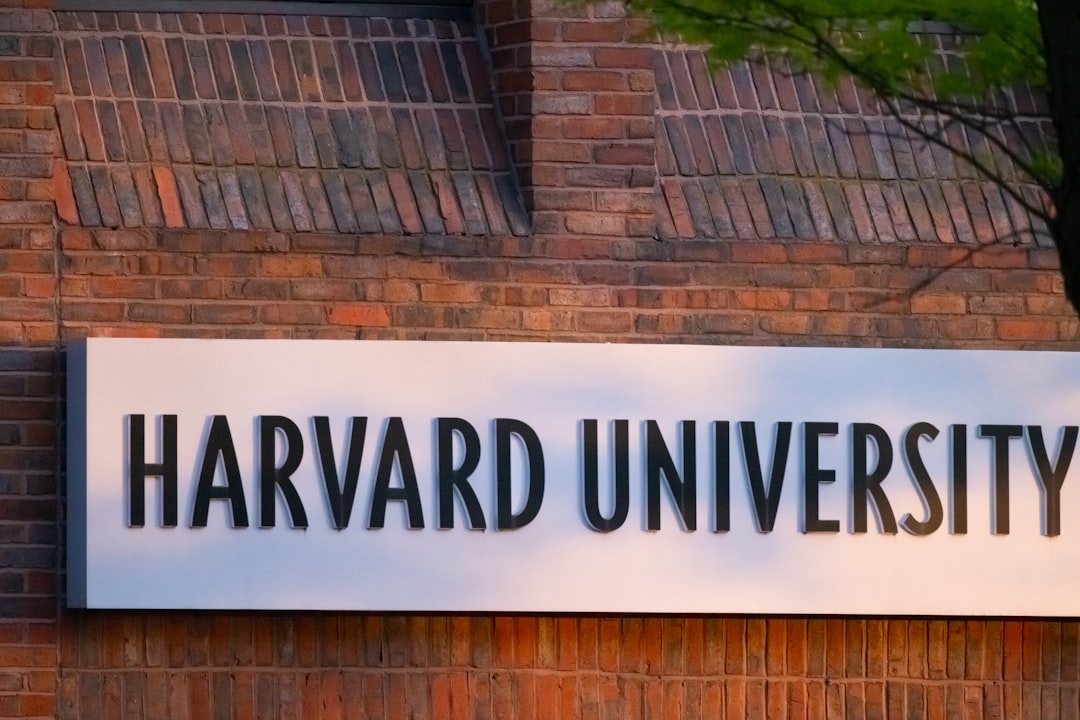

Education & University Insights