Texas, USA — Tesla has officially expanded its robotaxi service to Dallas and Houston, marking a significant milestone in the company’s autonomous vehicle strategy. This rollout, announced on April 18, 2026, comes after months of speculation and private testing. Tesla’s social media account confirmed the launch with a simple message: “Robotaxi is now rolling out in Dallas & Houston 🤠.” This expansion positions Tesla as a key player in the rapidly evolving ride-hailing market.
The new service in Texas follows the company’s earlier launch in Austin, where it began offering rides without human drivers in January 2026. With this latest move, Tesla now operates its robotaxi service in three Texas cities, significantly increasing its footprint in the state. The company aims to create a global, unsupervised ride-hailing network, a goal that has garnered considerable attention from investors and industry analysts alike.
Fleet and Operational Strategy
According to Tech Insider, Tesla’s fleet for the Dallas and Houston launch consists of 573 vehicles. This ambitious expansion is seen as the most aggressive move in Tesla’s history within the autonomous vehicle sector. The timing is crucial as it coincides with the upcoming Q1 2026 earnings call, where investors are eager to hear about the potential financial impact of this new service.
As part of its strategy, Tesla has implemented a geofencing approach for the initial launch. In Houston, the service will operate primarily in the Northwest region, covering areas like Jersey Village and Willowbrook. Dallas, on the other hand, will feature a more extensive operational area, encompassing much of the urban core and the Park Cities. This careful mapping of service areas is designed to ensure a smooth rollout and to address any potential regulatory concerns. The geofencing strategy allows Tesla to manage the operational parameters of its robotaxi service effectively, ensuring that the vehicles operate in areas where they can be monitored and controlled, thus enhancing safety and reliability.
The timing is crucial as it coincides with the upcoming Q1 2026 earnings call, where investors are eager to hear about the potential financial impact of this new service.
Competitive Landscape and Market Implications
The launch of Tesla’s robotaxi service puts it in direct competition with established players like Waymo and Cruise, both of which are also expanding their autonomous services across major U.S. cities. The competition is intensifying as urban areas worldwide, from San Francisco to London, are increasingly adopting autonomous vehicle technology to meet the growing demand for innovative transportation solutions.
Investors are reacting positively to Tesla’s expansion, with the company’s stock surging by 12% over four trading sessions, closing at $400.62 before the announcement. Analysts, including Dan Ives from Wedbush, suggest that this rollout could unlock a “$3 trillion AI chapter” for Tesla, highlighting the potential financial benefits of its autonomous vehicle technology. This optimistic outlook reflects the broader market sentiment that autonomous vehicles will play a crucial role in the future of transportation.
 AI & Technology
Microsoft Surface Laptop Ultra Pre-Orders Launch
Microsoft has opened pre-orders for its new Surface Laptop Ultra, designed for professionals with demanding AI workloads. Featuring up to 128GB of RAM and advanced…
Read More →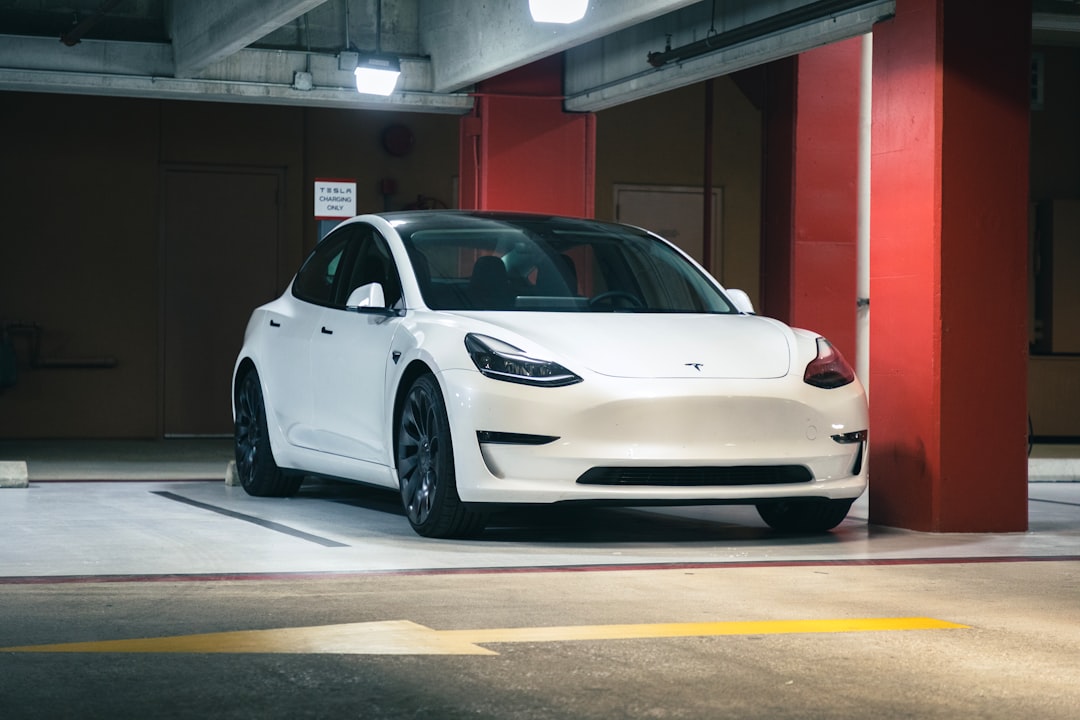
Despite the excitement surrounding the launch, Tesla’s robotaxi service has faced scrutiny. In Austin, the company reported 14 crashes involving its robotaxis since the service began. This raises questions about safety and the reliability of autonomous vehicles in real-world conditions. As Tesla continues to expand its fleet and service areas, it will need to address these concerns to maintain consumer trust and regulatory approval. The scrutiny surrounding safety incidents could impact public perception and regulatory responses, which are critical for the long-term success of Tesla’s autonomous initiatives.
The expansion of Tesla’s robotaxi service is not just a significant development for the company; it also has broader implications for the transportation industry. As more companies invest in autonomous vehicle technology, the landscape of urban mobility is set to change dramatically. The introduction of robotaxis could reduce the number of personal vehicles on the road, leading to decreased traffic congestion and lower emissions.
Moreover, the success of Tesla’s robotaxi service could encourage other automakers to accelerate their own autonomous vehicle programs. As competition heats up, consumers may benefit from improved services, lower prices, and more options in the ride-hailing market. This shift could also create new job opportunities in technology and transportation sectors, as companies look to develop and maintain their autonomous fleets.
The scrutiny surrounding safety incidents could impact public perception and regulatory responses, which are critical for the long-term success of Tesla’s autonomous initiatives.
However, the transition to autonomous ride-hailing services is not without challenges. Regulatory hurdles, public perception, and safety concerns will play a crucial role in shaping the future of this industry. Tesla’s ability to navigate these issues will be critical as it seeks to expand its robotaxi service beyond Texas and into other markets.
The launch of Tesla’s robotaxi service in Dallas and Houston represents a pivotal moment in the evolution of transportation. As the company continues to innovate and expand, the question remains: how will the industry adapt to the rapid advancements in autonomous technology? The coming months will be crucial in determining the long-term impact of this service on urban mobility and the future of transportation as a whole.
 Industry & Global Trends
Agarwal Says India Can Attract Data Centre Investment
Agarwal cites data-centre construction costs around half the US and Europe level, renewable energy, a 1.5 billion population and coastline.
Read More →Written by Career Ahead AI. AI can make mistakes, so verify key facts. Report errors to support@careeraheadonline.com.