As the post-pandemic labor market continues to rebalance, digital-first enterprise ecosystems and regulatory drivers are reshaping the workplace, with significant implications for career capital, economic mobility, and institutional power.
Post-Pandemic Labor Market Rebalancing: A New Era for Workplace Innovation
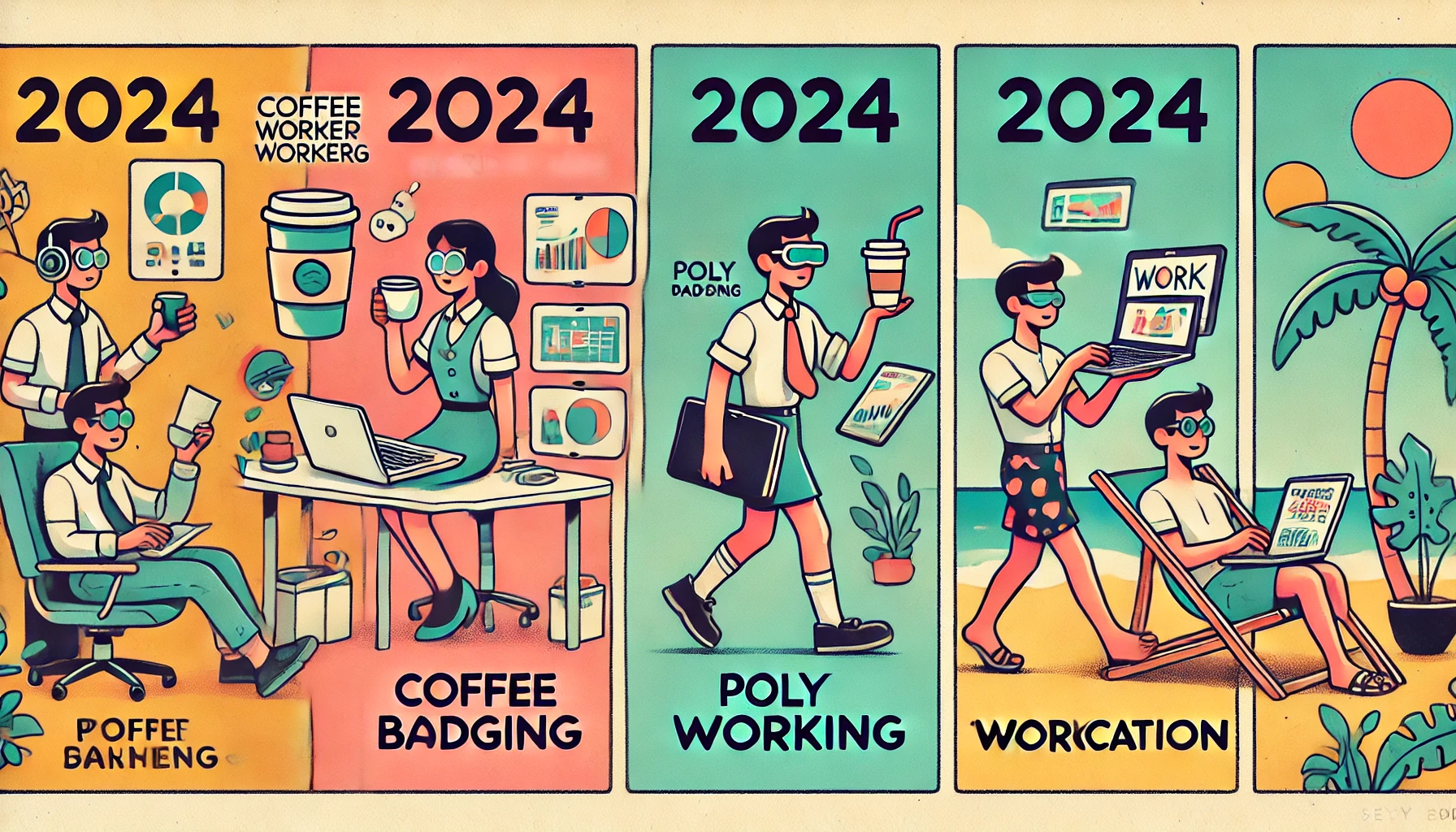
The COVID-19 pandemic has accelerated the shift towards remote and hybrid work, with a significant impact on the labor market. According to a report by McKinsey, 62% of employers expect to have more remote workers than they did before the pandemic [1]. This shift has led to a “great re-allocation” of talent across industries, with employees seeking better work-life balance, flexibility, and career growth opportunities. As a result, companies are being forced to rethink their workplace strategies, investing in digital-first enterprise ecosystems and AI-augmented productivity tools to stay competitive.
The Core Mechanism: Dynamic Work-Design Algorithms and Decentralized Talent Pools
At the heart of this shift is the emergence of dynamic work-design algorithms, which use AI to match tasks, skills, and preferred work-styles to optimal in-office, hybrid, or fully remote configurations. This approach enables companies to create more efficient and effective work environments, tailored to the needs of individual employees. Additionally, the rise of decentralized talent pools, such as “skill-as-a-service” marketplaces, is reducing reliance on traditional hiring pipelines and providing companies with access to a global gig ecosystem [2]. This shift is expected to have a significant impact on the way companies approach talent acquisition and management, with a focus on skills rather than traditional job descriptions.
Systemic Ripples: Organizational Architecture and Real-Estate Reconfiguration
The impact of these changes is being felt across the organization, with a shift towards flattened hierarchies and network-centric governance models. This new approach to organizational architecture is replacing legacy divisions with cross-functional “value streams,” enabling companies to be more agile and responsive to changing market conditions. Additionally, the repurposing of corporate campuses into “collaboration hubs,” co-working spaces, and community-service centers is having a significant impact on commercial real-estate valuations [3]. As companies rethink their physical workspaces, they are also being forced to reconsider their data-governance and privacy policies, with a focus on protecting employee-generated data and ensuring compliance with emerging “work-privacy” frameworks.
This shift towards skill-liquidity and career portability is enabling employees to be more agile and adaptable in their careers, with a focus on continuous learning and skill development [4].
Career and Capital Impact: Skill-Liquidity and Investor Valuation Shifts
The impact of these changes is also being felt by employees, who are building modular credential portfolios (micro-certifications, blockchain badges) that translate instantly across firms and industries. This shift towards skill-liquidity and career portability is enabling employees to be more agile and adaptable in their careers, with a focus on continuous learning and skill development [4]. Meanwhile, investors are rewarding companies with high “Hybrid Efficiency Ratios” and penalizing those with legacy office-centric cost structures, reflecting a growing recognition of the importance of workplace innovation in driving long-term shareholder value [5].
The Forward Outlook: Scalability of AI-Driven Work Design and Policy Landscape
 Future Skills & Work
How Unions Are Confronting A.I. Threats in the Workplace | Career Outlook
The growing concern over AI's potential to displace jobs has led to a surge in union negotiations. For instance, labor leaders are pushing for new…
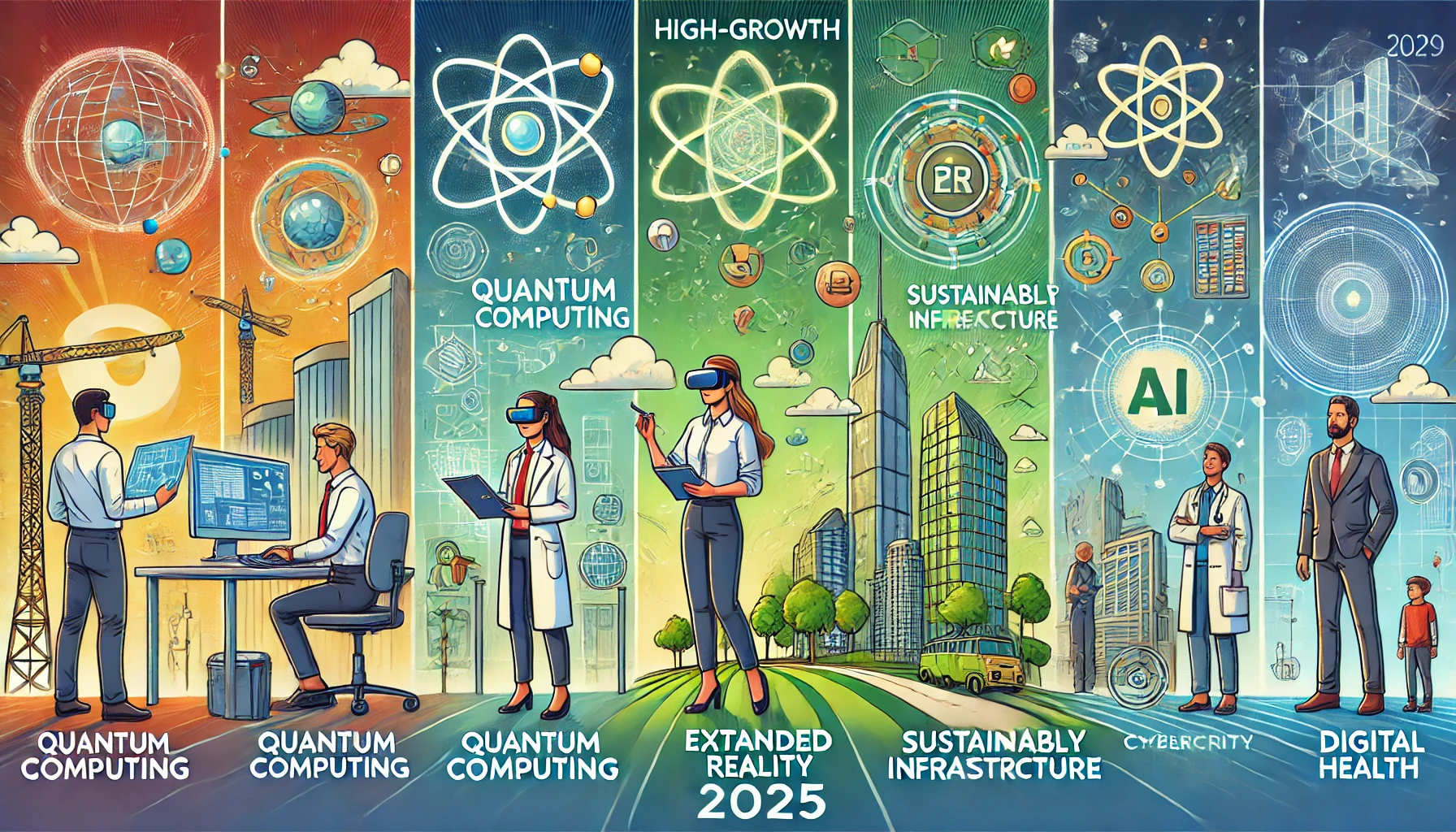
Read More →As we look to the future, the scalability of AI-driven work design will be critical in determining the success of workplace innovation initiatives. While there are potential bottlenecks to consider, such as bias mitigation and data quality, the next wave of autonomous work orchestration is expected to have a significant impact on the way companies approach work design and talent management [6]. Additionally, emerging regulations and corporate-level ESG commitments will shape the competitive advantage of early adopters, with a focus on creating more sustainable and equitable work environments. To future-proof their organizations, executives will need to prioritize strategic investments in tech stack, governance, and talent ecosystems, with a focus on creating a more agile, adaptable, and responsive workplace.
Key Structural Insights
The Rise of Dynamic Work-Design Algorithms: AI-driven work design is transforming the way companies approach talent management and workplace innovation, with a focus on creating more efficient and effective work environments.
The Importance of Skill-Liquidity: Employees are building modular credential portfolios that translate instantly across firms and industries, enabling them to be more agile and adaptable in their careers.
The Forward Outlook: Scalability of AI-Driven Work Design and Policy Landscape As we look to the future, the scalability of AI-driven work design will be critical in determining the success of workplace innovation initiatives.
* The Impact of Regulatory Drivers: Emerging regulations and corporate-level ESG commitments are shaping the competitive advantage of early adopters, with a focus on creating more sustainable and equitable work environments.
Written by Career Ahead AI. AI can make mistakes, so verify key facts. Report errors to support@careeraheadonline.com.