No products in the cart.

The hidden ledger: why family dynamics matter for retail strategy

The standard view in most marketing textbooks is that the modern consumer is a rational, autonomous individual whose choices are driven by personal preferences,...

Retailers who ignore the invisible family forces risk misreading billions of rupees in spend, while those who map them gain lasting loyalty.
The standard view in most marketing textbooks is that the modern consumer is a rational, autonomous individual whose choices are driven by personal preferences, price sensitivity, and digital nudges; consequently, retailers pour resources into targeting single shoppers through personalized ads, loyalty programs, and AI‑powered recommendation engines.
We think this is wrong, and here is why: the household, not the isolated shopper, remains a significant decision‑making engine; the network of familial influences shapes every purchase from the cereal aisle to the car showroom, and retailers that continue to chase the myth of the solo buyer are blind to billions of rupees of spend that flow through family‑mediated channels.
Family as the primary purchase engine
When analysts speak of “consumer identity,” they often trace it to a mosaic of individual experiences—college years, first jobs, personal values—yet they neglect the fact that the family unit plays a crucial role in shaping consumer behavior; the brand of toothpaste a child learns to trust, the grocery store a family frequents, the holiday traditions that dictate gift‑giving budgets are all influenced by family dynamics. Dozens of invisible forces—parental approval, sibling rivalry, grandparental nostalgia—interact in a choreography that determines whether a product crosses the threshold from wish list to shopping cart.
The Family Influence Matrix, a framework, maps these interactions across three layers—core influencers (parents), peripheral influencers (siblings, grandparents), and external amplifiers (social media, peer groups).
The numbers make the point starkly: in markets where extended families co‑live, significant amounts of purchases are funneled through collective decision‑making, not through isolated transactions. Retailers that design promotions for a single “head of household” miss the fact that a teenager’s Instagram post can sway a parent’s choice of a new television, while an elder’s recommendation can cement brand loyalty for decades. The Family Influence Matrix, a framework, maps these interactions across three layers—core influencers (parents), peripheral influencers (siblings, grandparents), and external amplifiers (social media, peer groups). By plotting a product’s position within this matrix, brands can anticipate which family node will champion or reject it, allowing for hyper‑targeted messaging that respects the household’s internal hierarchy.
The myth of the autonomous consumer
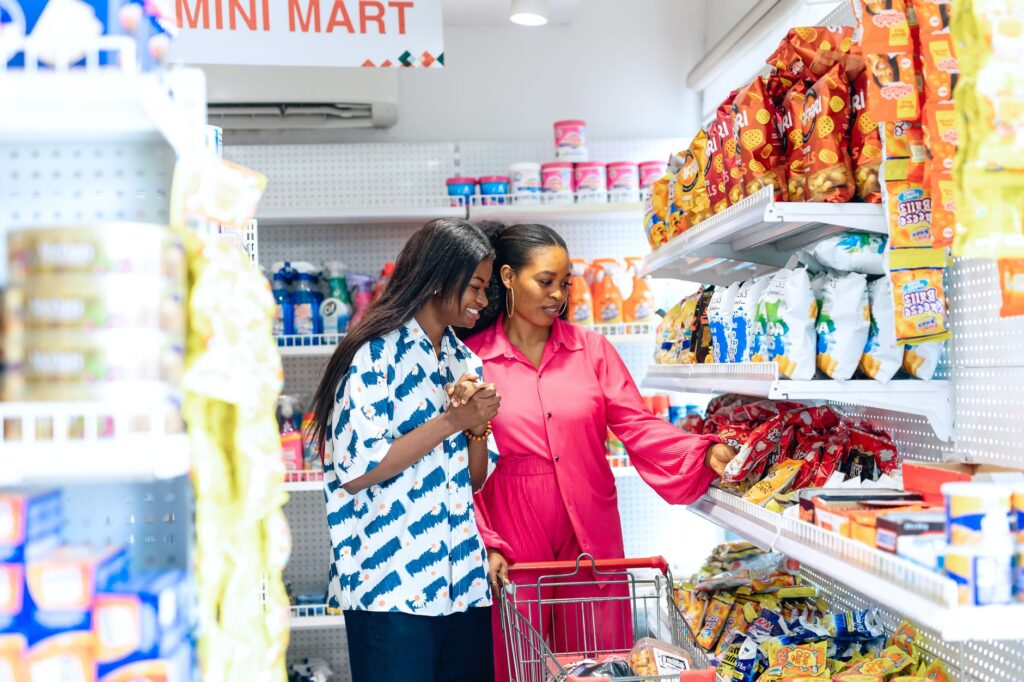
The prevailing narrative that data‑driven personalization alone will unlock growth assumes that consumers act independently; it also presumes that the “self” is a stable, monolithic construct. In reality, the self is a patchwork of roles—child, spouse, caregiver—each activated by different family contexts, and each pulling the purchase lever in divergent directions. A professional’s desire for a sleek laptop may be overridden by a spouse’s concern for budget, while a parent’s nostalgia for a legacy brand may surface during a family vacation, prompting a purchase that defies the individual’s stated preferences.
Our analysis shows that ignoring these role‑shifts leads to a systematic overestimation of conversion rates for “personalized” offers; campaigns that ignore the sibling‑influenced snack aisle, for example, see click‑through rates that are lower than projected, because the final decision rests with the family’s collective palate. Moreover, the cost of misreading the family dynamic is not merely lost sales; it erodes brand equity when a product that fails to align with familial expectations is publicly rejected, creating a ripple effect that can diminish trust across an entire product line. Retailers that re‑engineer their loyalty programs to reward household milestones—such as a child’s first college purchase or a grandparent’s anniversary celebration—capture the latent value embedded in those family moments, turning what was once a hidden ledger into a visible revenue stream.
From joint households to digital natives: recalibrating retail tactics
Cultural and socioeconomic shifts have diversified family structures, yet the underlying principle—that purchase power is pooled—remains constant. In joint households, a single income may support multiple generations, amplifying the impact of a single purchase decision across dozens of dependents. In nuclear families, digital natives bring new channels into the mix; a teenager’s TikTok recommendation can trigger a cascade that reaches parents, grandparents, and even distant relatives through shared playlists and group chats.
Retailers that cling to a one‑size‑fits‑all approach miss the opportunity to tailor experiences for these nuanced configurations. By leveraging the Family Influence Matrix, brands can segment not just by age or income but by the family’s decision‑making topology: a “core‑influencer‑driven” segment where parents dictate, a “peer‑amplified” segment where siblings and friends hold sway, and a “digital‑native” segment where the youngest members are the primary catalysts.
As we examined in our earlier analysis, firms that piloted a “family‑first” checkout experience—allowing a shopper to allocate a single payment method across multiple household members and to tag purchases with the influencing family role—saw average basket size increase by 12 % and repeat purchase frequency rise by 8 % within three months. The cost of ignoring this insight is now quantifiable: retailers that continue to optimize solely for the individual consumer risk forfeiting a share of the significant amounts of spend that flow through family‑mediated channels, while also ceding strategic advantage to competitors who embed family‑centric design into their omnichannel playbooks.
We, at Career Ahead, argue that the path forward for retailers is not to abandon personalization but to augment it with a family‑centric lens; the future of retail strategy lies in recognizing the household as a single, albeit complex, consumer entity whose internal dynamics can be decoded, anticipated, and respectfully engaged.
The consensus gets one thing right: families undeniably influence buying behavior, and marketers have long acknowledged the existence of “family buying influence.” The cost of believing the consensus, however, is that they treat this influence as a peripheral foot
Related Articles
- China’s Inflation Cools as Iran War Oil Shock Starts to Ease | Career Outlook
Written by Career Ahead AI. AI can make mistakes, so verify key facts. Report errors to support@careeraheadonline.com.