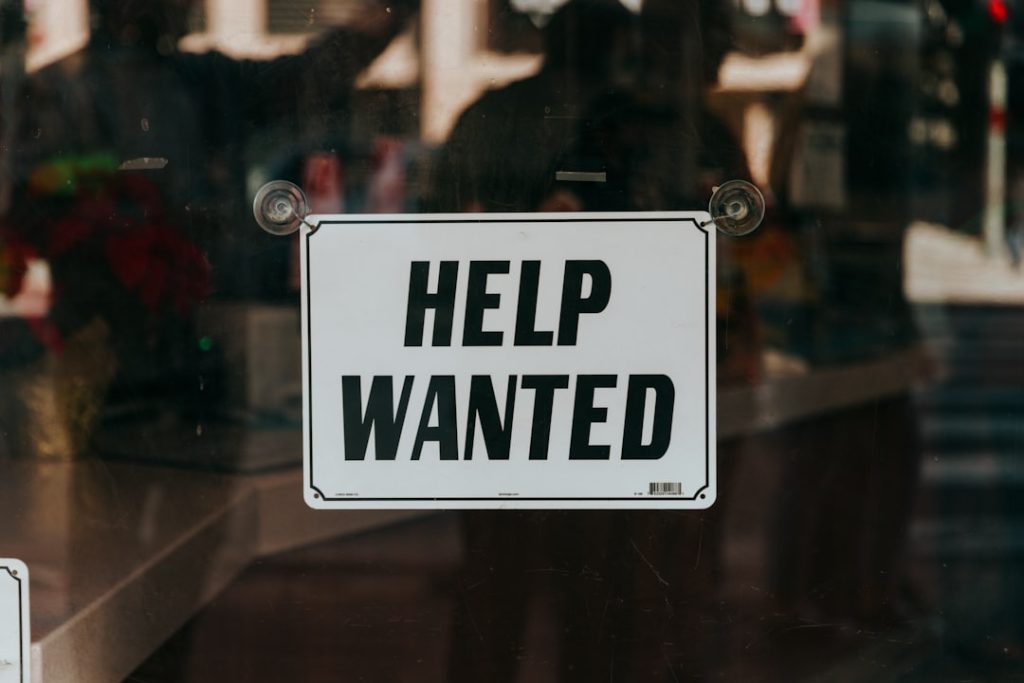
A recent report indicates a critical shift in hiring practices across the United States. For the first time, a staggering 86% of employers now prioritize skills over traditional degrees when assessing job candidates. This trend is forcing job seekers to rethink their strategies and focus more on demonstrable skills and experience rather than simply possessing a degree.
This shift in priorities reflects a growing recognition among employers that practical skills and real-world experience often outweigh academic qualifications. In a fast-evolving job market, the ability to perform tasks and contribute meaningfully is becoming increasingly essential. Employers are looking for individuals who can demonstrate their capabilities through work samples and documented experience, rather than relying solely on educational credentials.
The implications of this trend are profound for job seekers. Many individuals may feel discouraged if they lack a degree, but this new hiring math opens doors for alternative pathways into the workforce. Skills-based hiring allows for a more diverse range of candidates, including those who have taken non-traditional routes such as bootcamps, online courses, or self-directed learning. As the demand for specific skills continues to rise, educational institutions and training programs are also adapting to meet these new needs.
Why Skills Are Now the Priority for US Employers
According to the report, the change in hiring practices is influenced by several factors. First, the rapid pace of technological advancement means that the skills required for many jobs are constantly evolving. Employers are increasingly seeking candidates who can adapt to these changes and possess the relevant skills for the job at hand. Traditional degrees may not always provide the most up-to-date or applicable knowledge for specific roles.
As the demand for specific skills continues to rise, educational institutions and training programs are also adapting to meet these new needs.
Furthermore, employers are recognizing the importance of soft skills, such as communication, teamwork, and problem-solving abilities. These skills are often best demonstrated through practical experience rather than classroom learning. Companies want employees who can collaborate effectively and navigate challenges in real-time.
This shift is particularly significant in industries like technology, where many leading companies are moving away from degree requirements altogether. For instance, some tech giants are now offering job opportunities that require little to no prior experience, focusing instead on candidates’ potential and willingness to learn. This evolution in hiring practices is reshaping the landscape of employment, particularly for younger generations entering the workforce.
 Career Guidance
How to Switch Industries Mid-Career Without Starting Over
Bridge roles can reduce risk, while targeted skills and industry-specific applications help you make the case for a new field.
Read More →
How Job Seekers Can Adapt to This New Hiring Landscape
As a job seeker in this new environment, it is crucial to adapt your approach to align with the changing expectations of employers. Here are some actionable steps to enhance your employability:
- Build a Portfolio: Create a portfolio showcasing your skills and relevant projects. This could include work samples, case studies, or even personal projects that demonstrate your abilities.
- Pursue Relevant Certifications: Consider enrolling in online courses or obtaining certifications that are recognized in your industry. Platforms like Coursera, Udemy, or LinkedIn Learning offer courses tailored to specific skills and industries.
- Network Effectively: Engage with professionals in your desired field through networking events, online forums, or social media. Building connections can lead to job opportunities and valuable insights about industry trends.
- Emphasize Soft Skills: Highlight your soft skills during interviews and on your resume. Employers value candidates who can communicate well and work effectively in teams.
However, some experts caution that this trend may not be entirely beneficial. They argue that while skills-based hiring opens doors for many, it could also lead to a lack of depth in certain technical roles. A traditional degree often provides a comprehensive understanding of the field, which skills alone may not encompass. As one industry analyst noted, “While practical skills are crucial, a foundational knowledge gained through a degree can be essential for long-term success.”
The Future of Skills-Based Hiring in the US
Looking forward, the trend toward skills-based hiring is likely to continue growing. As more employers embrace this approach, we may see a significant shift in the education system as well. Educational institutions might need to adapt their curricula to focus more on skill development and real-world applications, rather than solely on theoretical knowledge.
Educational institutions might need to adapt their curricula to focus more on skill development and real-world applications, rather than solely on theoretical knowledge.

This evolution may also encourage more people to pursue non-traditional pathways to employment. The stigma associated with lacking a degree could diminish as employers increasingly recognize the value of skills and experience. The job market will likely become more inclusive, allowing for a broader range of candidates to compete for positions.
As you navigate this changing landscape, consider how you can position yourself to take advantage of these new opportunities. Are you ready to acquire the skills that employers are seeking, or will you rely solely on traditional qualifications?
 Career Guidance
How to Judge Interview Take-Home Tasks Before You Start
A take-home can be one stage in a longer interview process. Check what it asks you to build, how much time it allows and how…
Read More →Written by Career Ahead AI. AI can make mistakes, so verify key facts. Report errors to support@careeraheadonline.com.