

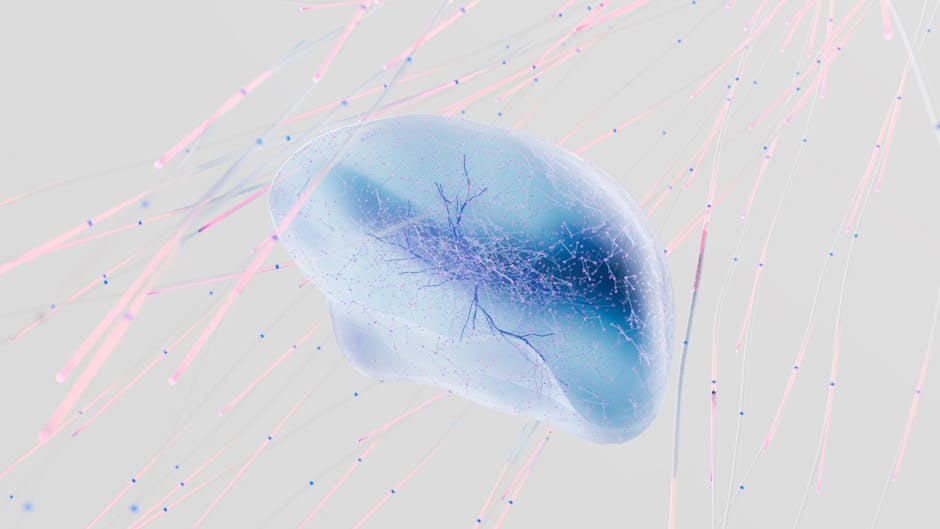
Boston, USA — Quantum computing is poised to transform the landscape of drug discovery. Traditional methods often require years of research and significant financial investment, but quantum technology promises to streamline this process dramatically. By leveraging the principles of quantum mechanics, researchers can simulate molecular interactions at an unprecedented scale, leading to faster and more accurate drug development.
Why does this matter now? The global pharmaceutical market is projected to reach $1.5 trillion by 2023, with a growing demand for innovative therapies. As the industry grapples with rising costs and lengthy development timelines, quantum computing emerges as a beacon of hope, potentially reshaping how new medications are brought to market.

Quantum computers utilize qubits, which can represent and store vast amounts of data simultaneously. This capability enables researchers to model complex biological systems more efficiently than classical computers ever could. For instance, D-Wave Systems, a leader in quantum computing, has reported breakthroughs in simulating molecular interactions that would take classical supercomputers thousands of years to analyze.
The implications of these advancements are profound. A study by the McKinsey Global Institute indicates that quantum computing could reduce the time required for drug discovery by up to 50%, significantly cutting costs and accelerating the delivery of new treatments to patients. This technology not only enhances efficiency but also opens doors to developing personalized medicine tailored to individual genetic profiles.
Furthermore, the integration of quantum systems into existing pharmaceutical workflows requires substantial investment and training.
However, the transition to quantum computing in drug discovery is not without its challenges. The technology is still in its infancy, with issues such as error rates and qubit coherence time needing to be addressed. Furthermore, the integration of quantum systems into existing pharmaceutical workflows requires substantial investment and training.
Several companies are already making strides in this area. IBM, through its Quantum Experience platform, is collaborating with pharmaceutical giants like Pfizer to explore how quantum algorithms can optimize drug design. Similarly, Google’s Quantum AI division is researching applications of quantum computing in drug discovery, aiming to solve complex problems that classical computers struggle with.
As the field evolves, regulatory frameworks will also need to adapt. The U.S. Food and Drug Administration (FDA) has begun to engage with quantum computing experts to understand how these technologies can be safely and effectively integrated into drug development processes. Establishing clear guidelines will be crucial to ensure that innovations can be translated into real-world applications.
Looking ahead, the potential of quantum computing in drug discovery is immense. By 2025, industry experts predict that quantum technologies will be a standard tool in pharmaceutical research, leading to breakthroughs in treatments for diseases like cancer and Alzheimer’s. Moreover, as quantum hardware continues to improve, the cost of drug development could decrease, making life-saving medications more accessible to patients worldwide.
 News
NewsSoftware Engineer Considers Farming as AI Advances
A software engineer with nearly a decade of experience considers farming as AI advances, prompting Reddit users to debate work and alternative livelihoods.
Read More →As the field evolves, regulatory frameworks will also need to adapt.
The journey has just begun. As researchers, companies, and regulators navigate this new frontier, the collaboration between technology and medicine could yield unprecedented advancements. The future of drug discovery may not just be faster and cheaper; it could be more effective, ushering in an era where personalized medicine becomes the norm rather than the exception.
Written by Career Ahead AI. AI can make mistakes, so verify key facts. Report errors to support@careeraheadonline.com.





