No products in the cart.

Auto Firms Resist Delhi’s Revised Electric Vehicle Policy
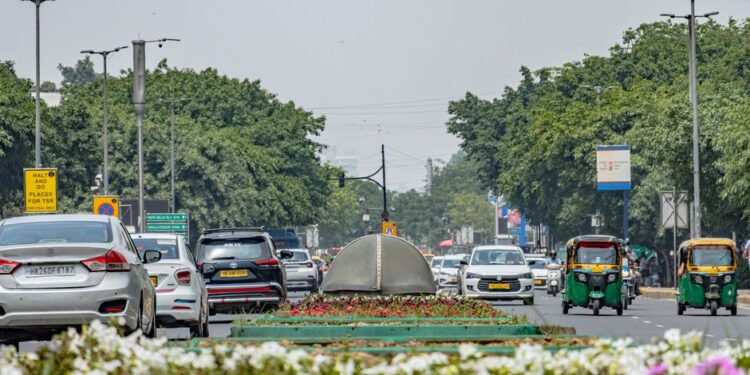
Auto manufacturers are opposing Delhi's new electric vehicle policy, which aims to phase out internal combustion engine vehicles. Concerns include production costs, market readiness, and infrastructure challenges that could hinder the transition to electric vehicles.

Auto manufacturers are strongly opposing Delhi’s new electric vehicle (EV) policy, which aims to phase out internal combustion engine (ICE) vehicles in favor of electric options. The policy proposes a complete ban on new ICE three-wheelers starting January 1, 2027, and on new ICE two-wheelers from April 1, 2028. This ambitious plan has raised significant concerns among industry stakeholders about its feasibility and market impact.
The revised EV policy builds on Delhi’s previous initiative, which achieved a nearly 14% penetration rate by 2025, compared to a national average of about 8%. However, the latest proposals have alarmed manufacturers represented by the Society of Indian Automobile Manufacturers (SIAM), who argue that the market is not ready for such a rapid shift to electric vehicles.
Production Costs and Market Readiness
Manufacturers are concerned about rising production costs associated with the shift to electric vehicles. The push for electrification comes at a time when economies of scale have not yet reduced EV prices sufficiently to compete with ICE two-wheelers. Many fear that the proposed timelines for compliance could lead to significant market share losses if they cannot scale production quickly.
Additionally, the auto industry claims that current demand for electric vehicles is not strong enough to support such drastic changes. Many consumers still prefer ICE vehicles due to their lower upfront costs and established infrastructure. A recent study by the Institute for Energy Economics and Financial Analysis (IEEFA) found that 84% of public charging stations in Delhi were non-functional, raising concerns about the reliability of the charging network critical for consumer adoption of EVs.
Stakeholders also highlight the lack of competitive financing options for electric light commercial vehicles and point to the high costs of battery replacements as a major issue. India’s reliance on imported battery technologies adds further challenges for local manufacturers looking to shift to electric vehicle production.
Many manufacturers fear that without a strong and dependable charging network, consumer confidence in electric vehicles will remain low, hurting sales and adoption rates.
Regulatory Compliance and Infrastructure Challenges
The regulatory compliance challenges posed by the revised EV policy are another major concern for auto manufacturers. The proposed electrification mandates are viewed as overly ambitious, especially considering the current state of charging infrastructure. Manufacturers worry about meeting these mandates without adequate government support.
You may also like
 Government & Policy
Free Child Care Initiative Eases Financial Strain for Families
New York City's free child care initiative for 2-year-olds aims to alleviate financial burdens for families, potentially serving as a model for similar programs nationwide.…
Read More →While the government has made progress in deploying public charging stations, the reliability of these facilities remains a significant issue. Many manufacturers fear that without a strong and dependable charging network, consumer confidence in electric vehicles will remain low, hurting sales and adoption rates.
Moreover, the shift to electric vehicles could greatly impact the existing network of after-sales service providers supporting ICE vehicles. Many small businesses may struggle to adapt to the new technology and will need substantial support to transition effectively. Critics argue that simultaneous rollout of reskilling programs and financial incentives for these service providers is essential for a smooth transition.
Additionally, the power grid’s ability to handle increased demand from widespread EV adoption is a pressing concern. Studies from organizations like WRI India and CSTEP suggest that while the grid could manage the extra load if charging is timed strategically, local distribution infrastructure needs improvement. Without upgrades to transformers and distribution feeders, the risk of grid overload during peak charging times remains significant.
Future of Electric Vehicles in India
The opposition from auto manufacturers to Delhi’s revised EV policy raises important questions about the future of electric vehicle adoption in India. If the issues of production costs, market readiness, and regulatory compliance are not addressed, Delhi’s ambitious targets may be hard to reach.
Resistance from manufacturers could slow down electrification in the region. If the government does not provide enough support and resources for manufacturers, India might miss the chance to lead in the global EV market, potentially leading to higher pollution levels in urban areas and undermining public health goals set by the revised policy.
Future of Electric Vehicles in India The opposition from auto manufacturers to Delhi’s revised EV policy raises important questions about the future of electric vehicle adoption in India.
You may also like
 Government & Policy
FSSAI Jobs: Eligibility Criteria and Exam Details
FSSAI offers promising career paths for food safety professionals. Understanding the eligibility criteria and entrance exams is crucial for success in this competitive field.
Read More →A backlash against the revised policy could have wider implications for the automotive industry in India, prompting other states to reconsider their own electrification plans. The balance between regulatory pressure and market dynamics will be crucial in shaping the future of electric vehicles in the country.
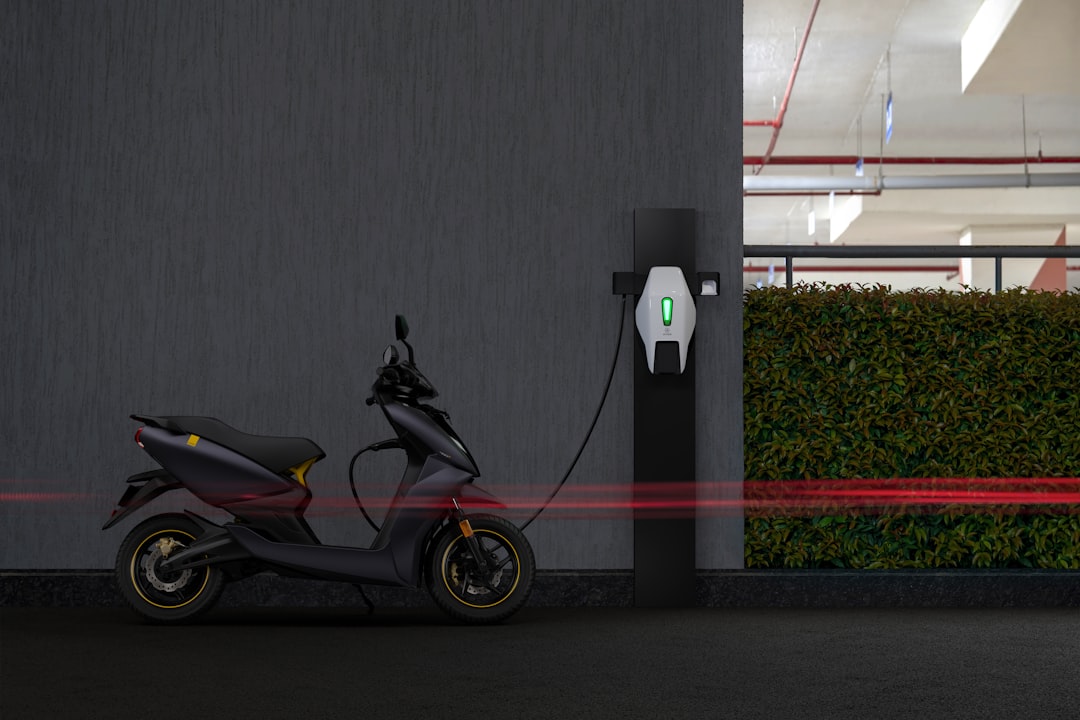
As the situation develops, stakeholders in the automotive sector will closely watch how the Delhi government responds to these concerns. The next steps taken by policymakers will be vital in determining whether the ambitious electrification goals can be met or if the industry will resist the proposed changes.
Frequently Asked Questions
What are the main objections of auto manufacturers to Delhi’s EV policy?
Auto manufacturers are concerned about the rapid timelines for transitioning to electric vehicles. They cite production cost challenges and insufficient market readiness, arguing that the current charging infrastructure is inadequate, which could hinder consumer adoption.
How will the revised EV policy affect electric vehicle sales in India?
The revised EV policy may slow down electric vehicle sales if manufacturers cannot meet the proposed compliance timelines. Consumer confidence may also remain low due to infrastructure issues. Without adequate support, the transition to electric vehicles could face significant challenges.
Manufacturers should engage in dialogue with policymakers to advocate for a phased approach to electrification.

What steps should automobile manufacturers take in response to regulatory changes in Delhi?
Manufacturers should engage in dialogue with policymakers to advocate for a phased approach to electrification. They need to emphasize the importance of building reliable infrastructure and providing financial incentives for a smoother transition to electric vehicles.
You may also like
 Government & Policy
UK’s Tough Jobs Market Threatens Burnham’s Aim to `Bring Back Hope’
The grim employment landscape is a critical test for Prime Minister Andy Burnham as he seeks to instill hope in the nation’s workforce amid declining…
Read More →Sources: Institute for Energy Economics and Financial Analysis, WRI India, CSTEP, Society of Indian Automobile Manufacturers (SIAM).