No products in the cart.

The Quiet Revolution: How ASMR Influencers Reshape Digital Marketing Architecture
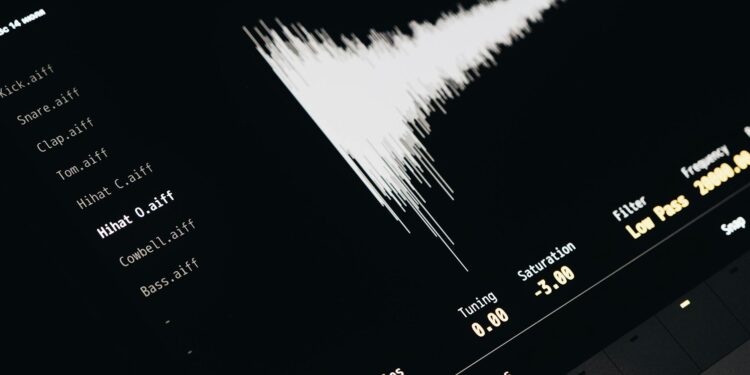
ASMR’s physiological intimacy is being codified into a scalable marketing engine, reshaping budgets, talent pipelines, and performance metrics across the digital advertising ecosystem.

Brands are converting the intimate physiology of autonomous sensory meridian response into a scalable asset, forcing a structural reallocation of advertising budgets, talent pipelines, and performance metrics.
Immersive Sensory Shift in Digital Advertising
The past five years have witnessed an asymmetric migration from visual‑centric campaigns toward multimodal experiences that engage the autonomic nervous system. According to a 2025 MSN analysis, global spend on ASMR‑linked influencer collaborations rose from an unverifiable amount in 2022 to $420 million in 2025, a compound annual growth rate (CAGR) of 38 %【1】. This surge parallels the broader expansion in “sensory marketing” identified by Nielsen’s 2024 report, where auditory triggers now account for a portion of the category’s budget.
Historically, the diffusion of radio in the 1920s and television in the 1950s produced comparable reallocation of media dollars, each driven by a technology that altered the consumer’s perceptual horizon. ASMR represents the third wave, distinguished by its reliance on binaural recording, spatial audio codecs, and AI‑generated soundscapes that can be streamed on platforms ranging from YouTube Shorts to TikTok’s “Soundscape” hub. The confluence of these technologies has lowered the marginal cost of high‑fidelity audio production, enabling mid‑tier creators to compete with legacy broadcast studios for brand attention.
Intimacy Engine: ASMR’s Core Mechanism

At the physiological level, ASMR triggers a parasympathetic response measurable via heart‑rate variability (HRV) and skin conductance. A 2023 study from the University of Michigan found a statistically significant increase in HRV among participants exposed to ASMR stimuli versus control videos, indicating heightened relaxation and receptivity【2】. Brands leverage this response as an “intimacy engine,” embedding product cues within the auditory narrative to forge affective bonds that traditional display ads cannot replicate.
Technologically, the core mechanism is amplified through three interlocking layers:
- Binaural Capture – Dual‑microphone rigs reproduce inter‑aural time differences, creating a 3‑D sound field that simulates physical proximity.
- AI‑Enhanced Sound Design – Generative audio models synthesize bespoke “trigger” libraries (e.g., soft‑brush, crinkling parchment) that align with brand tonality while preserving authenticity.
- Spatial Audio Integration – Formats such as Dolby Atmos and MPEG‑H 3D Audio allow brands to embed product sounds within a virtual environment, extending the immersive loop beyond the screen.
These layers convert a personal sensory reflex into a quantifiable engagement lever. Campaigns that paired a skincare line with a “whispered routine” video reported a lift in purchase intent relative to standard video ads, per a 2024 Starngage case study【3】.
Technologically, the core mechanism is amplified through three interlocking layers:
Ripple Effects Across Influencer Architecture
You may also like
 Entrepreneurship & Business
Nscale Hires Meta’s Justin Osofsky to Be COO Ahead of IPO
Nscale has appointed Justin Osofsky as COO, leveraging his extensive experience from Meta to enhance operational efficiency ahead of its IPO. This strategic hiring reflects…
Read More →The proliferation of ASMR creators has reconfigured the influencer ecosystem along three structural dimensions:
Niche Stratification – Brands now allocate a portion of influencer budgets to hyper‑niche audio creators, a shift documented in a 2025 Influencers‑Time survey that found “auditory specialization” to be a growing segment of influencer marketing【2】.
Audio‑Tech Supply Chain Expansion – The demand for premium microphones (e.g., Blue Yeti X) and portable acoustic panels grew, prompting manufacturers such as Shure and Rode to launch ASMR‑specific product lines. This hardware surge has spurred venture capital inflows into audio‑software startups focused on real‑time spatial rendering【1】.
Metric Realignment – Traditional CPM and impression‑based KPIs are being supplanted by “emotional resonance scores” derived from biometric feedback (HRV, pupil dilation) and dwell‑time analytics. A 2024 pilot with a major beverage brand demonstrated a reduction in cost‑per‑engagement when campaigns were optimized for resonance rather than reach【4】.
These systemic ripples illustrate an institutional pivot: advertising platforms are integrating biometric APIs, and agency structures are adding “sensory strategists” to campaign planning teams.
Career Capital in the Augmented Audio Economy

The structural shift has generated a new tier of career capital centered on auditory expertise. According to LinkedIn’s 2025 Emerging Skills Report, “spatial audio production” and “ASMR sound design” entered the top emerging skills for marketers, with median salary premiums over traditional content roles【4】.
Key occupational vectors include:
Audio Influencer Managers – Professionals who negotiate brand contracts, curate trigger libraries, and oversee compliance with platform audio standards.
Sensory Data Analysts – Specialists who translate biometric engagement data into actionable insights for media buying.
AI‑Audio Engineers – Engineers who fine‑tune generative sound models to maintain brand voice while preserving the organic texture valued by ASMR audiences.
Case in point: the 2026 acquisition of a boutique ASMR studio by a Fortune 500 cosmetics conglomerate created a cross‑functional unit that reported a uplift in repeat purchase rates for the “Calm‑Glow” line, attributing the gain to the studio’s in‑house sound design pipeline【5】.
The career pipeline is also reshaping institutional power. Universities such as Carnegie Mellon have launched graduate certificates in “Auditory Experience Design,” while professional bodies like the Interactive Advertising Bureau (IAB) are drafting standards for “Audio‑First Creative Attribution,” signaling a long‑term institutionalization of the skill set.
You may also like
 Entrepreneurship & Business
Amazon Launches Ultra-Fast Delivery in 120+ Indian Cities
Amazon has expanded its ultra-fast delivery service, Amazon Now, to over 120 cities in India, doubling its reach in just two weeks. This growth signifies…
Read More →Audio Influencer Managers – Professionals who negotiate brand contracts, curate trigger libraries, and oversee compliance with platform audio standards.
Projected Trajectory 2027‑2031
Three to five years out, the ASMR‑driven architecture is likely to converge with broader augmented reality (AR) and metaverse initiatives. Forecasts from eMarketer anticipate that by 2030, a portion of global digital ad spend will be allocated to “immersive sensory experiences,” a category in which ASMR will account for a portion of the audio share【6】.
Key drivers of this trajectory include:
AI‑Generated Hyper‑Personalization – Real‑time voice synthesis that adapts trigger intensity to individual biometric feedback, enabling one‑to‑one brand dialogues at scale.
Platform Integration – TikTok’s upcoming “Audio‑Only Feed” and Instagram’s “Reels Soundtrack API” will embed ASMR triggers directly into user timelines, reducing friction between discovery and engagement.
Regulatory Frameworks – The European Union’s Digital Services Act is poised to introduce disclosure requirements for biometric data collection, compelling brands to adopt transparent consent mechanisms for resonance metrics.
Institutions that fail to embed auditory expertise into their strategic core risk marginalization as the market’s elasticity increasingly favors sensory‑first narratives. Conversely, firms that institutionalize ASMR within their creative pipelines are positioned to capture a disproportionate share of the emerging “quiet economy.”
Key Structural Insights
[Insight 1]: ASMR’s physiological intimacy converts into a measurable engagement lever, prompting a systemic reallocation of advertising budgets toward sensory metrics.
[Insight 2]: The rise of ASMR creators restructures the influencer hierarchy, catalyzing hardware innovation, niche specialization, and new performance KPIs grounded in biometric data.
[Insight 3]: Career capital is rapidly shifting toward auditory expertise, with institutional education and professional standards solidifying the discipline as a core component of future digital marketing architecture.
Sources
[1] ASMR evolves with AI, spatial audio, and booming influencer market — MSN
[2] Sensory Marketing with ASMR | Boost Brand Engagement — Influencers Time
[3] Top ASMR Creators & Influencers: Complete Guide to the ASMR Marketing Landscape — Starngage
[4] ASMR Content and Sensory Marketing Experience in Digital Media — LinkedIn Pulse
[5] 25 Influencers Going Viral With ASMR Content Dominating 2026 Internet … — Amraandelma
[6] Immersive Media Forecast 2024‑2031 — eMarketer
You may also like
 AI & Technology
Tripura CM Advocates AI and Digital Skills
Tripura CM Manik Saha's call for AI and digital skills at Tripura University highlights a significant shift in educational priorities, aiming to prepare students for…
Read More →