


The UK has recently reported a significant rise in unemployment, hitting its highest rate in nearly five years. This troubling trend, confirmed by official figures, raises alarms for job seekers and professionals across various sectors. As of February 2026, the unemployment rate stands at 5.2%, a stark reminder of the ongoing economic challenges stemming from the pandemic and subsequent recovery efforts.
With rising costs and inflation affecting businesses and consumers alike, many companies are tightening their belts. This shift is leading to layoffs and hiring freezes, leaving many workers uncertain about their job security. For young professionals and recent graduates, this environment presents unique challenges in navigating the job market.
Understanding the implications of this rising unemployment rate is crucial for anyone looking to advance their career. The landscape is changing, and adapting to these changes can make all the difference. This article will explore how the current job market dynamics affect your career and what steps you can take to stay competitive.
Why UK Unemployment Is Rising Now
The rise in the UK unemployment rate can be attributed to several factors. The Bank of England’s recent monetary policies aimed at curbing inflation have resulted in higher interest rates, which in turn have slowed down economic growth. According to a report by the BBC, the job market is feeling the strain as businesses grapple with increased costs and reduced consumer spending. Many sectors, particularly retail and hospitality, have been hit hard, leading to significant job losses.
Understanding the implications of this rising unemployment rate is crucial for anyone looking to advance their career.
Additionally, the end of certain government support programs that were implemented during the pandemic has left many workers without safety nets. As these programs phase out, companies are forced to reassess their workforce needs. This has led to a wave of layoffs, particularly in industries that are still recovering from the pandemic’s impact.
Furthermore, the uncertainty surrounding Brexit continues to affect the labor market. Many businesses are struggling to adapt to new regulations and trade barriers, causing further instability. As a result, employers are hesitant to hire, leading to an increase in unemployment figures.

Implications for Your Career in a Tough Job Market
 Career Guidance
What to Do in Your First Ninety Days at a New Job
Build trust before chasing quick wins: observe the workplace, ask colleagues for guidance and increase your contribution through reliable delivery.
Read More →This rising unemployment rate has significant implications for your career. For entry-level job seekers, the competition is fiercer than ever. With fewer job openings, securing a position requires more effort and strategic planning. According to data from MKFM, the job market is particularly challenging for young people, with nearly one in six young individuals out of work.
For mid-career professionals, the landscape is shifting as well. Many are finding themselves in a position where they must pivot their career paths or seek additional training to remain relevant in a changing job market. The skills that were once in high demand may no longer hold the same value in the current economic climate.
Career switchers also face unique challenges. With many industries contracting, finding opportunities in a new field can be daunting. It’s essential to stay informed about which sectors are still hiring and what skills are in demand. According to Sky News, sectors like technology and healthcare are still experiencing growth, presenting potential opportunities for those willing to adapt.
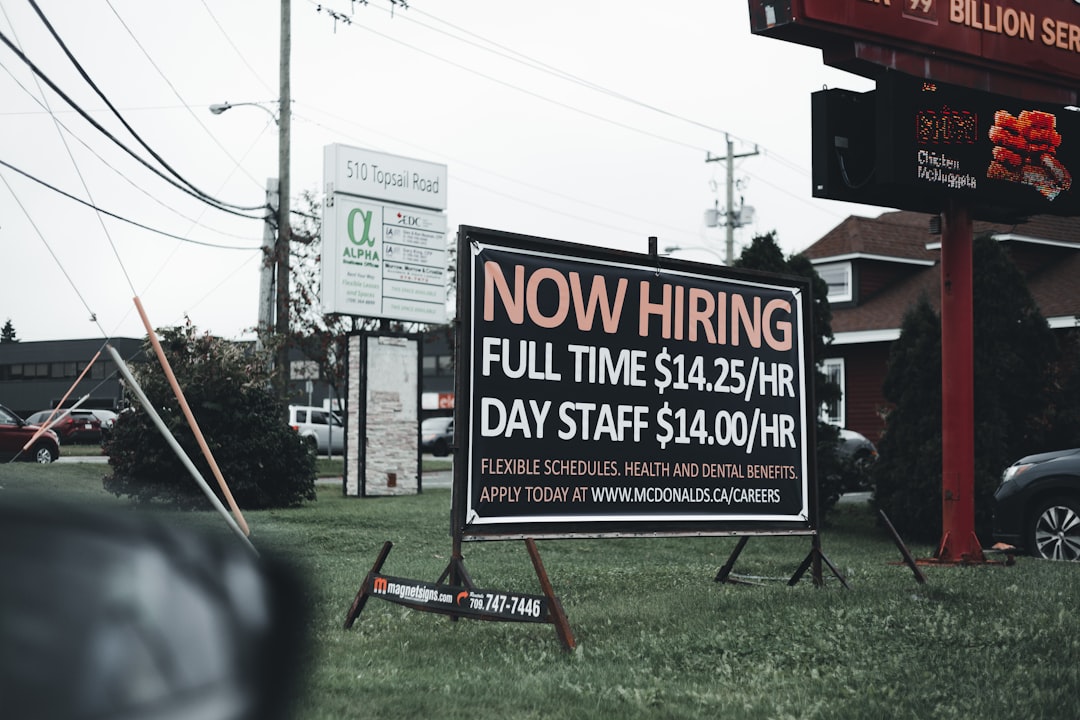
For mid-career professionals, the landscape is shifting as well.
Steps to Enhance Your Career Prospects
- Upskill and Reskill: Invest in learning new skills that are in demand. Online platforms like Coursera and LinkedIn Learning offer courses that can help you stay competitive.
- Network Actively: Engage with professionals in your industry through platforms like LinkedIn. Networking can open doors to job opportunities that may not be advertised.
- Consider Temporary or Freelance Work: While searching for a full-time position, consider taking on temporary or freelance roles. This can help you gain experience and keep your skills sharp.
- Stay Informed: Follow economic trends and updates in your industry. Understanding the job market can help you make informed decisions about your career path.
However, experts warn that this trend may not be sustainable. A recent report from People Management highlights that while unemployment is rising, there are still sectors experiencing growth. The key for job seekers will be to focus on industries that are less affected by economic downturns and to continuously develop their skills to meet changing demands.
The Future of Employment in the UK
Looking ahead, the UK job market is likely to continue facing challenges. The combination of rising unemployment and inflation could lead to prolonged economic uncertainty. However, this may also create opportunities for innovation and growth in sectors that adapt to these changes.
 Career Tips
Build Your Credit Score After Your First Job
Many recent graduates may not realize the importance of their credit score until they need to make significant purchases.
Read More →As businesses evolve, so too will the skills required to thrive in the new landscape. Job seekers who remain adaptable and proactive in their career development will be better positioned to succeed. What strategies will you implement to navigate this shifting job market?

Written by Career Ahead AI. AI can make mistakes, so verify key facts. Report errors to support@careeraheadonline.com.





