No products in the cart.

China Says It Can Withstand EU Trade Freeze, CCTV Account Says
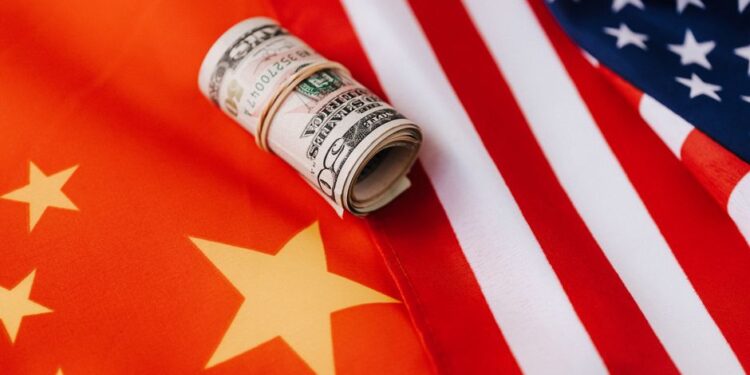
This situation is significant for trade policy analysts and international business developers. Understanding how China plans to navigate these challenges is crucial for anticipating shifts in international markets. The EU's evolving approach, particularly after investigations into electric vehicle subsidies, has intensified scrutiny on trade practices. According to a…

China has claimed it can handle a possible freeze in economic and trade relations with the European Union. This statement comes as tensions rise, according to Yuyuantantian, a social media account linked to China Central Television. The account noted that if negotiations are just formalities, China feels confident about its economic stability.
This situation is important for trade policy analysts and international business developers. It is vital to understand how China plans to manage these challenges. The EU’s changing approach, especially after investigations into electric vehicle subsidies, has increased scrutiny on trade practices. A Bloomberg report suggests that the EU’s recent actions show a more aggressive stance, which could complicate trade negotiations and strain relations further.
Impact of EU Trade Relations on Chinese Exports
The EU is one of China’s largest trading partners. Thus, the possibility of trade sanctions is a major concern. In 2025, China exported about $500 billion worth of goods to the EU, making up nearly 15% of its total exports. A trade freeze could heavily impact sectors like technology, automotive, and textiles, which depend on access to European markets. The automotive sector is especially vulnerable due to its reliance on European technology and components, which sanctions could disrupt.
Career Ahead’s analysis indicates that the EU’s recent actions, including the electric vehicle subsidy probe, mark a shift in trade relations. This scrutiny may lead to stricter regulations, hindering China’s ability to export certain goods. Trade policy analysts must closely watch these developments to understand their impact on export volumes and market access. A trade freeze also raises concerns about the sustainability of China’s export-driven economy. Disruptions could cause significant economic downturns due to China’s reliance on the EU market. Analysts should consider the long-term effects of such sanctions, as they might push China to diversify its export markets.
Trade policy analysts must closely watch these developments to understand their impact on export volumes and market access.
In response to these challenges, China is likely to adopt strategies to reduce risks. This includes strengthening trade ties with other regions, such as Southeast Asia and Africa, to compensate for potential losses from the EU. Recent reports show that China is actively seeking to expand its influence in these areas through investments and trade agreements. For international business developers, understanding these shifts will be essential for adapting strategies and finding new opportunities.
Strategies for Mitigating Trade Risks
China’s government is exploring various strategies to reduce risks from potential EU trade sanctions. One approach is to boost domestic consumption to lessen reliance on exports. By developing a strong internal market, China aims to protect its economy from external shocks. This strategy is relevant as the government promotes initiatives to increase consumer spending, helping stabilize the economy amid international pressures.
Additionally, China is likely to invest more in technology and innovation. By enhancing its technological capabilities, China can create high-value products that may be less affected by trade restrictions. Career Ahead research indicates that sectors like artificial intelligence and green technology are set for growth, offering new export opportunities. The Chinese government has already allocated significant resources to these sectors, aiming to position the country as a leader in technology.
International business developers must stay agile and informed about these developments to seize emerging opportunities.
Furthermore, China may pursue bilateral trade agreements with other countries to secure alternative markets. Strengthening relationships with nations in Asia, Africa, and Latin America could help offset the negative effects of EU sanctions. Recent diplomatic efforts show China’s commitment to enhancing trade ties with these regions, potentially leading to new partnerships and trade routes. Analysts should monitor these developments closely, as they may create new trade opportunities.

China’s focus on self-sufficiency is likely to influence its trade strategy. By reducing reliance on foreign imports for essential goods, China can improve its economic resilience. This shift requires careful planning and investment in domestic industries, especially in agriculture and energy. The government’s push for self-sufficiency is a response to potential sanctions and a long-term strategy to strengthen the economy against future uncertainties.
Ultimately, the success of these strategies will depend on China’s ability to adapt quickly to changing global dynamics. International business developers must stay agile and informed about these developments to seize emerging opportunities. The ongoing changes in China’s trade relations with the EU will be closely monitored by international business developers. As the situation evolves, the ability to navigate these complexities will determine the success of businesses operating in or with China.
Despite the threat of EU trade sanctions, China’s economy has shown remarkable resilience. Career Ahead analysis highlights that this resilience comes from strong government support, a diverse industrial base, and a growing domestic market. The government’s commitment to economic stability is clear in its policies aimed at fostering innovation and competitiveness. Moreover, China’s ability to respond quickly to external pressures has been a key part of its economic strategy. For example, during past trade disputes with the United States, China successfully redirected its exports to other markets, minimizing the impact of tariffs. This adaptability is crucial as the country faces potential EU sanctions.
Additionally, diversifying China’s supply chains plays a key role in its economic resilience. By sourcing materials and components from various countries, China can lessen its vulnerability to trade disruptions. This strategy strengthens supply chains and enhances bargaining power in negotiations. However, challenges remain. A trade freeze with the EU could still significantly affect specific sectors. Trade policy analysts need to evaluate the vulnerabilities in China’s economy and how to address them. Understanding these dynamics will be vital for anticipating future trends in global trade.
Career Ahead’s analysis shows that EU trade sanctions could disrupt Chinese exports, especially in key sectors like technology and automotive.
Frequently Asked Questions
What are the potential impacts of EU trade sanctions on Chinese businesses?
Career Ahead’s analysis shows that EU trade sanctions could disrupt Chinese exports, especially in key sectors like technology and automotive. A trade freeze may reduce market access and increase regulatory hurdles, affecting the overall stability of Chinese businesses.
How can international business developers navigate changing trade policies?
International business developers should closely track the evolving trade landscape and adjust their strategies. This includes finding alternative markets and diversifying supply chains to reduce risks from potential sanctions.
What should trade policy analysts consider when evaluating China’s economic strategies?
Trade policy analysts need to assess China’s resilience against potential trade sanctions. This involves understanding the country’s strategies for risk mitigation, such as boosting domestic consumption and diversifying trade partners.
Related Articles
- Accenture Cuts Guidance, Impacts IT Hiring Landscape
Written by Career Ahead AI. AI can make mistakes, so verify key facts. Report errors to support@careeraheadonline.com.