No products in the cart.

The Role of Biogas in Strengthening India’s Energy Security
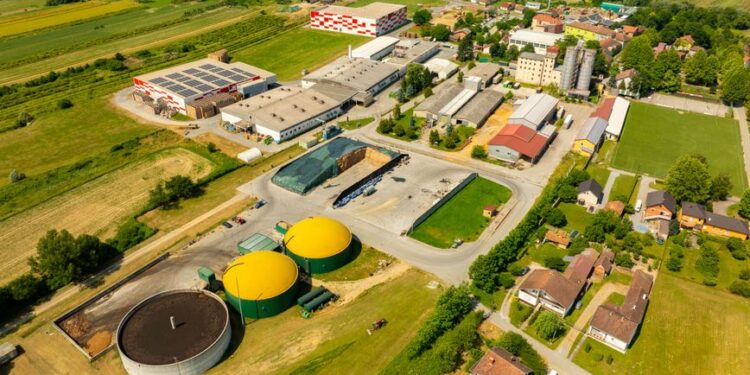
India's heavy reliance on energy imports poses significant risks to its security. Biogas emerges as a promising solution, yet progress remains slow. Key government initiatives and private sector involvement are essential for unlocking its potential.

India is increasingly looking to biogas as a means to enhance its energy security. With the country importing nearly 85% of its crude oil, it remains vulnerable to fluctuations in the global energy market. Recent government initiatives aim to boost biogas production, but progress has been sluggish, highlighting the need for greater support and investment.
The Sustainable Alternative Towards Affordable Transportation (SATAT) initiative, launched in 2018, set ambitious targets for biogas production, aiming to establish 5,000 biogas plants by 2023. However, as of June 2026, only 132 plants have been completed, underscoring the challenges that lie ahead.
Government Initiatives and Existing Challenges
The Indian government has implemented several initiatives to promote biogas production. The GOBARdhan scheme, for instance, aims to convert waste into wealth by funding community biogas plants. Grants of up to ₹50 lakh per district have been allocated, along with budgets for biomass machinery and pipeline infrastructure. Despite these efforts, the sector faces significant hurdles, including inadequate infrastructure and high startup costs.
The Ministry of New and Renewable Energy (MNRE) has identified a lack of private investment and access to credit as major barriers to growth. To attract private players, the government recognizes the necessity of financial incentives such as tax holidays and accelerated depreciation. These measures could enhance the viability of biogas projects and encourage broader participation.
International examples can provide valuable lessons for India. Germany’s Renewable Energy Sources Act has effectively incentivized biogas production, resulting in a proliferation of small-scale biogas plants. However, this growth has also led to challenges, such as over-cultivation of maize for biogas feedstock, which has impacted food security. India must learn from these experiences to avoid similar pitfalls.
However, this growth has also led to challenges, such as over-cultivation of maize for biogas feedstock, which has impacted food security.
Biogas: A Renewable Solution for Energy Security
India’s energy security is increasingly jeopardized by its dependence on imported fuels. Geopolitical tensions, particularly in West Asia, exacerbate these vulnerabilities, prompting the government to explore alternative energy sources. Biogas, derived from organic waste, presents a renewable and carbon-neutral energy option that can mitigate these risks.
You may also like
 Government & Policy
Pentagon Halts Anthropic AI Use After Blacklisting
The Pentagon has officially ceased using Anthropic's AI tools following the company's blacklisting due to national security concerns. This decision marks a significant shift in…
Read More →A significant policy shift occurred with the recent approval of a mandatory blending obligation for compressed biogas (CBG). Starting in FY26, gas distributors will be required to blend CBG into their supplies, with targets increasing from 1% to 5% by FY29. This policy aims to integrate biogas into the mainstream energy supply, thereby enhancing energy security and reducing emissions.
However, the success of these initiatives hinges on the government’s ability to replicate the achievements of its ethanol blending program. Between 2014 and 2025, India successfully increased ethanol blending in petrol from 1.5% to 20%. This demonstrates that ambitious targets can be met with the right policies and investments. If similar momentum can be achieved for biogas, it could significantly bolster India’s energy independence.
Economic and Environmental Benefits of Biogas
The economic advantages of biogas production extend beyond energy security. By converting agricultural waste into energy, biogas projects can enhance rural incomes and promote sustainable farming practices. This dual benefit addresses both energy and agricultural challenges, contributing to a more resilient economy.
As India navigates its energy transition, biogas is poised to play a crucial role. The interplay of government initiatives, private investment, and technological innovation will shape the future of this sector. The potential for biogas to enhance energy security is substantial, but it necessitates a concerted effort from all stakeholders.
Implications for Renewable Energy Professionals
For renewable energy engineers and biogas technology specialists, the evolving landscape of biogas in India presents both challenges and opportunities. The government’s commitment to energy security through biogas means that professionals should stay informed about policy changes and technological advancements.
As the sector expands, there will be an increasing demand for skilled professionals capable of designing and implementing biogas systems.
You may also like
 Government & Policy
US supreme court hears big oil’s bid to block climate damage lawsuits
The US Supreme Court is hearing a pivotal case that could determine the future of climate damage lawsuits against major oil companies, including Suncor Energy…
Read More →As the sector expands, there will be an increasing demand for skilled professionals capable of designing and implementing biogas systems. Engineers and specialists with expertise in biogas production, from waste management to energy distribution, will be well-positioned for success in this emerging market.
Additionally, understanding government incentives and funding opportunities is vital for professionals involved in biogas projects. Familiarity with available grants and subsidies can facilitate financing, making projects more feasible and appealing to investors.
The future of biogas in India appears promising, contingent upon effective policy implementation and industry collaboration. As the government intensifies its efforts to promote biogas, renewable energy professionals must be prepared to adapt and innovate.
Frequently Asked Questions
What are the latest advancements in biogas technology?
Recent advancements focus on improving efficiency in anaerobic digestion and enhancing biogas quality. Innovations in feedstock management and process optimization are key development areas.
Innovations in feedstock management and process optimization are key development areas.
How can renewable energy engineers leverage biogas in their projects?
Engineers can integrate biogas into existing energy systems and develop new biogas plants. Understanding government incentives and technological advancements is crucial for successful project implementation.
What should biogas technology specialists know about government incentives?
You may also like
 Government & Policy
New Visa Regulations Impacting Indian Students
Australia's new student visa regulations, effective October 2026, impose stricter rules for international students, particularly impacting those from India. The changes include a mandatory 12-month…
Read More →Specialists should be aware of various government incentives for biogas projects, including grants and tax benefits. Familiarity with these programs can help secure funding and enhance project viability.