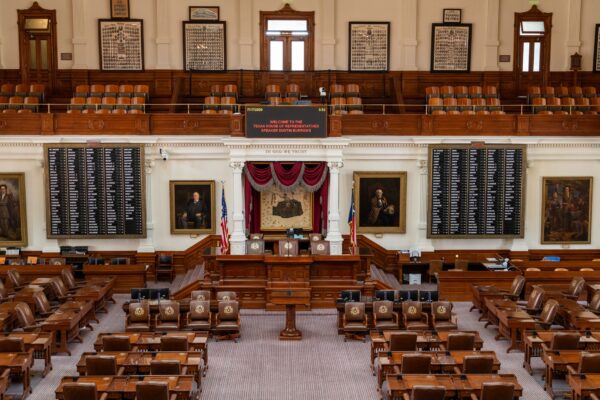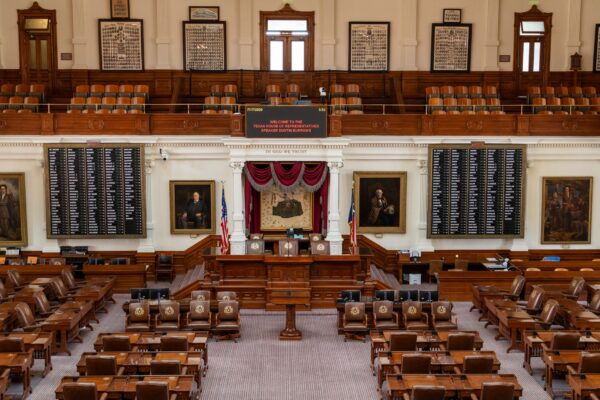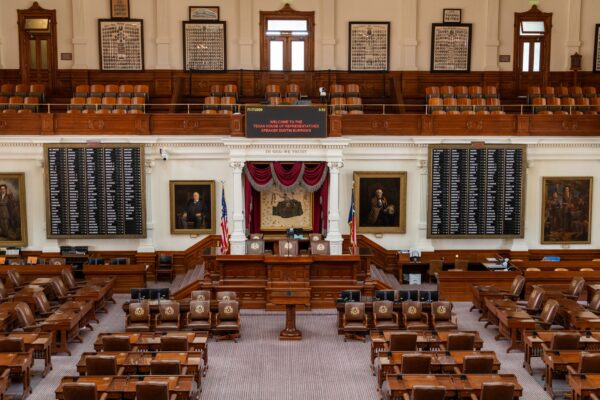
Then-Business Secretary Jonathan Reynolds told live radio interviewer Nick Ferrari he did not know the statutory paternity pay amount on Tuesday, 1 July 2025.
Answer the policy question with a precise figure
The government had just launched a comprehensive review of parental leave and pay, designed to give “families the best possible start”. The current statutory paternity pay rate was £187.60 per week. A leader explaining a review tied to family finances needs to know the amount people can claim, not only the broad purpose of the policy. The figure is a practical part of the subject: it gives listeners a way to understand what the review concerns and what the existing provision offers.¹
Reynolds also referred to his 10-year-old son during the interview. That personal reference did not answer the question about the payment, and Ferrari responded: “You don’t have a clue”. The exchange shows the risk of reaching for an anecdote when a direct answer is missing. A personal example can help explain why an issue matters, but it cannot stand in for the detail a question asks for. Prepare the answer first; use the anecdote only if it adds something beyond it.¹²
Prepare messages without turning the interview into a pitch Before every media interview, founders should identify three key messages they want to communicate.
Prepare messages without turning the interview into a pitch
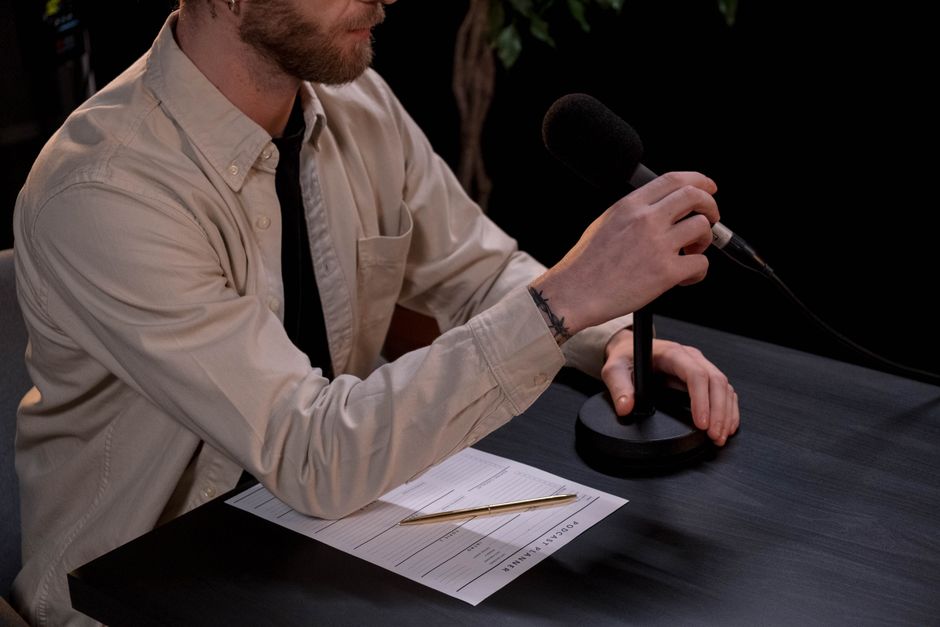
Before every media interview, founders should identify three key messages they want to communicate. That preparation gives a spokesperson a small set of points to return to, rather than leaving them to improvise the purpose of the conversation under questioning. But a media interview is not a sales presentation. The aim is not to repeat a pitch regardless of what the interviewer asks. Leaders need to answer the question in front of them, then connect that answer to a prepared message when the connection is real.²
 Government & Policy
India’s Gig Economy Is Formalizing Without Protecting Its Workers
High-Skilled Inclusion: Freelancers and consultants are currently excluded, but NITI Aayog’s 2029 projection of 27.
Read More →
Match the response to the interview’s pressure
Ex-prime minister Liz Truss was savaged during back-to-back interviews with BBC local radio stations days after her budget crashed the UK economy. The example shows how quickly repeated interviews can expose an unprepared response: the same central questions can arise across different conversations. Preparation should therefore cover the substance a leader must explain, as well as the wording of a preferred message. A spokesperson who knows the reasoning behind an answer can respond to a question’s specifics instead of relying on a line that does not fit.¹
Ryanair boss Michael O’Leary uses humour and his knowledge of the company’s bottom line to control the tone and pace of his interviews. The useful combination is not humour alone: it sits alongside knowledge of the company’s financial position. A joke may shape an exchange, but it cannot supply the facts behind a business decision. Leaders should know what the organisation can substantiate before trying to steer the conversation, and use levity only when it supports rather than obscures the answer.¹
Labour politician and Manchester Mayor Andy Burnham is described as a strong communicator who uses polite but firm pushback. That approach offers a different tool from humour: a spokesperson can resist a premise or boundary while keeping the exchange civil. Pushback works best when it makes clear what the speaker disputes and then returns to the point they can address. A combative response can distract from the subject; a calm, direct correction keeps attention on the issue without pretending every question is framed fairly.¹
Build a repeatable preparation routine
For a young professional speaking on behalf of an organisation, the practical lesson is to prepare both the substance and the delivery. Check the figures that sit behind the subject, decide which messages deserve emphasis, and practise answering a difficult question without evading it. Then choose a response style that suits the exchange: a personal example, humour or firm pushback should each serve the answer, not replace it. Preparation does not remove pressure, but it gives a spokesperson something concrete to rely on when the conversation moves quickly.²
Know the figures before you speak
 Government & Policy
UK Proposes Guided Retirement for 17 Million Workers
Providers must offer an annual retirement income under the proposal, but savers can still withdraw money or invest elsewhere.
Read More →When you represent an organisation in any public or internal discussion, the first preparation step is to know the numbers behind your subject. The Business Secretary could not state the statutory paternity pay figure of £187.60 per week, and the interviewer immediately called out the gap. Before you enter a meeting or a call, check the specific amounts, dates, or rates that your role requires you to explain. A personal story, like mentioning a 10-year-old son, does not replace a direct answer when a precise figure is the question.¹
Pushback works best when it makes clear what the speaker disputes and then returns to the point they can address.
Build a repeatable routine that covers both substance and delivery. Identify three key messages you want to communicate, but answer the question in front of you first. The example of Liz Truss shows that repeated interviews expose an unprepared response, so prepare the reasoning behind your answers, not just a preferred line. Choose a style that fits the exchange: humour works when paired with knowledge of the bottom line, as Michael O'Leary demonstrates, and firm pushback, as Andy Burnham uses, works when you clarify what you dispute and return to the point you can address.¹²
Sources
Written by Career Ahead AI. AI can make mistakes, so verify key facts. Report errors to support@careeraheadonline.com