Washington, D.C. — A notable divide is emerging among young conservatives regarding the ongoing war in Iran. As the conflict escalates, opinions among this demographic are split, reflecting a broader generational conflict within the Republican Party. Many young Republicans, who once rallied behind Donald Trump, are now questioning the justification for military action.
Recent discussions at the Conservative Political Action Conference (CPAC) highlighted this rift. Younger attendees expressed skepticism about the war, contrasting sharply with older conservatives who largely support military engagement. This generational gap is significant, as it may influence the future direction of the Republican Party.
According to a report by Newsbreak, many young conservatives are reassessing their views on military intervention. Alex Johnson, a 26-year-old combat veteran, shared his journey from enthusiastic Trump supporter to a more nuanced perspective on war. He argues that while he once believed in unwavering support for military action, his experiences have led him to reject the notion that war is never justified.
Generational Perspectives on Military Action
At CPAC, older conservatives emphasized the need for a strong military presence abroad, arguing that it is essential for national security. They view the Iran war as a necessary response to aggression. In contrast, younger conservatives are more inclined to question the motives behind such conflicts. They are increasingly aware of the human and economic costs associated with prolonged military engagements.
Generational Perspectives on Military Action At CPAC, older conservatives emphasized the need for a strong military presence abroad, arguing that it is essential for national security.
Older conservatives often cite historical precedents to justify their stance, arguing that strong military action has historically protected American interests. However, younger conservatives like Johnson are advocating for a more cautious approach. They emphasize the importance of diplomacy and dialogue over military solutions. This sentiment was echoed by other young attendees at CPAC, who expressed a desire for a foreign policy that prioritizes negotiation rather than aggression.
Polling data from AP News indicates that younger Republicans are more likely to favor non-military solutions to international conflicts. This shift in perspective is reshaping the political landscape, as younger voters become more influential in shaping party policies. The divide raises questions about how the Republican Party will adapt to these changing views.
Implications for the Republican Party’s Future
 Government & Policy
McDonald’s Faces Lawsuit Over AI Pricing Tool
McDonald’s is facing a federal lawsuit alleging that its AI pricing tool leads to illegal price-fixing among franchise owners, raising concerns about competition and consumer…
Read More →The split among young conservatives could have significant implications for the Republican Party’s future. As younger voters increasingly prioritize issues like climate change, social justice, and healthcare, their views on foreign policy are also evolving. This generational shift may challenge traditional conservative values, forcing the party to adapt or risk alienating a crucial voter base.
According to Mcall, the divide was evident at CPAC, where younger attendees expressed a desire for a more inclusive party that reflects their values. They are calling for a reevaluation of the party’s stance on military intervention, advocating for policies that prioritize diplomacy and international cooperation. This is a marked shift from the party’s historical reliance on military solutions, and it suggests that younger conservatives are seeking a more holistic approach to governance that aligns with their broader concerns.
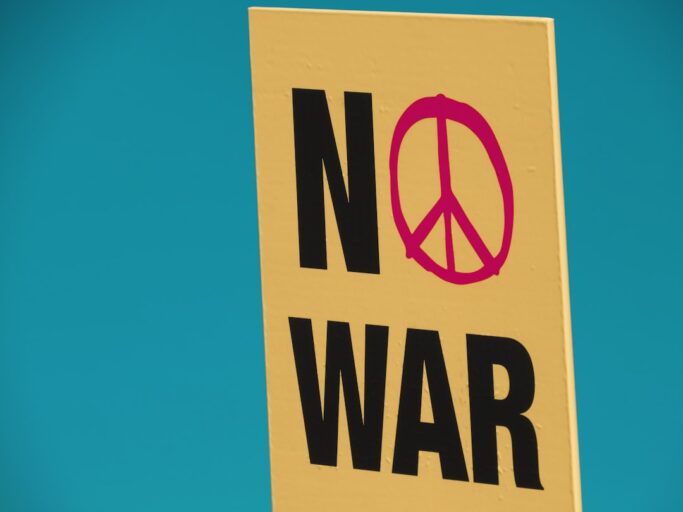
The implications of this generational divide extend beyond the Republican Party. As younger conservatives become more vocal about their beliefs, they may influence broader political discourse. Their emphasis on a more restrained foreign policy could resonate with a wider audience, potentially reshaping public opinion on military action. The New York Times notes that this internal conflict is testing the loyalty of young Republicans, as they navigate their identities amid the ongoing war and its implications for American foreign policy.
As the war in Iran continues, the question remains: will the Republican Party adapt to the changing views of its younger members, or will it cling to traditional stances that may alienate a new generation of voters? The outcome of this internal conflict will shape the party’s identity and its ability to connect with future generations.
Implications for the Republican Party’s Future The split among young conservatives could have significant implications for the Republican Party’s future.
Furthermore, the legacy of the Trump administration looms large over these discussions. Many young conservatives are grappling with the implications of Trump’s foreign policy decisions and how they align with their evolving beliefs. As they seek to define their values, they are increasingly looking for leaders who resonate with their perspectives on military engagement and international relations.
 Government & Policy
McDonalds sued over AI tool that recommends prices to US franchisees
Michael Thomas claims he noticed price discrepancies between nearby McDonald’s locations, attributing them to the company's AI pricing system.
Read More →The future of young conservatives appears to be in flux as they navigate their identities within a changing political landscape. This generational conflict is not just about the war in Iran; it reflects a broader struggle within the Republican Party to reconcile traditional conservative principles with the evolving views of younger voters. As these young conservatives continue to voice their opinions, their influence on party platforms and policies will likely grow.
Written by Career Ahead AI. AI can make mistakes, so verify key facts. Report errors to support@careeraheadonline.com.