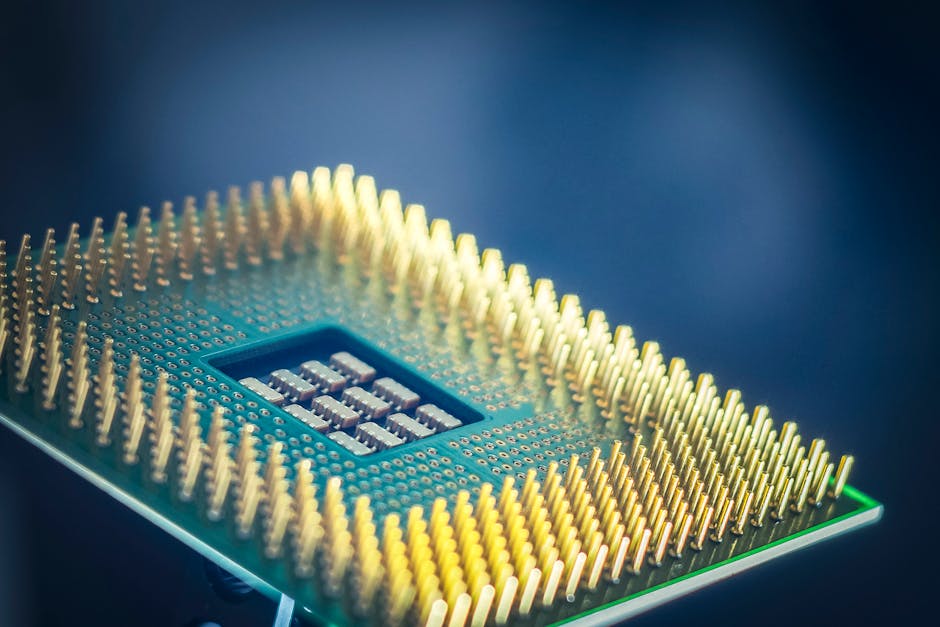
Taiwan Semiconductor Manufacturing Company (TSMC) is facing significant challenges in meeting the rising demand for AI chips. At a recent shareholder meeting, CEO C.C. Wei stated, “Customer demand is so high, and we can only support so much.” This statement underscores the limitations TSMC faces as it attempts to keep pace with the rapid growth in AI applications. The company plans to invest a record $52-$56 billion this year to expand its production capacity. However, analysts caution that this may not be sufficient to meet demand through 2026. A report by EETimes indicates that TSMC’s capacity issues are exacerbated by the increasing complexity of chip designs for advanced AI applications.
TSMC’s struggles reflect broader challenges within the semiconductor industry. The swift rise in AI technologies has created a substantial demand for semiconductors, particularly in data centers and consumer electronics. As companies rush to integrate AI capabilities, the need for advanced chips has surged, leading to shortages of critical components like RAM and NAND Flash memory. This shortage impacts not only TSMC but the entire supply chain. TechSpot reports that this shortage is expected to persist for years, with many manufacturers unable to secure the components necessary to meet their production goals.
Demand for Semiconductor Engineers Amid AI Growth
The AI boom is transforming job opportunities in the semiconductor sector. TSMC’s challenges highlight an urgent need for skilled semiconductor engineers. Career Ahead’s analysis predicts a significant rise in demand for engineers proficient in AI chip design and production. With TSMC struggling to fulfill customer needs, companies are likely to seek engineers who can innovate and enhance manufacturing processes. Many engineering programs currently do not address the complexities of AI chip design, prompting companies to invest in targeted training programs to equip engineers with the necessary skills in this evolving landscape. This situation presents a unique opportunity for educational institutions to develop specialized courses that align with industry demands.
Furthermore, competition for talent is expected to intensify as companies strive to attract skilled engineers. TSMC’s capacity issues may lead to increased salaries and improved benefits for semiconductor engineers. As companies vie for a limited pool of qualified candidates, those with expertise in AI and semiconductor technology will be in high demand. However, many engineers are currently unprepared for the rapid advancements in AI technology. A report from Intellectia emphasizes that the semiconductor workforce must swiftly adapt to new tools and methodologies to remain relevant in this fast-evolving market.
The ongoing demand for AI chips requires not only technical skills but also a strong understanding of market dynamics and customer needs, making lifelong learning essential for engineers.
This demand comes with challenges. Engineers must continuously upskill to keep pace with rapid technological changes. The semiconductor industry is known for its fast pace, and professionals must adapt quickly to new tools. As TSMC works to expand its capacity, engineers will be under pressure to deliver innovative solutions for the growing AI market. The ongoing demand for AI chips requires not only technical skills but also a strong understanding of market dynamics and customer needs, making lifelong learning essential for engineers.
 Industry & Global Trends
India Faces Trade Challenges Amidst US Deal Stalemate
As India navigates the complexities of stalled US trade talks, new free trade agreements (FTAs) emerge as potential buffers against tariff impacts. This situation compels…
Read More →
Supply Chain Management in Semiconductor Production
Supply chain management is another critical area affected by TSMC’s struggles. The company’s inability to meet AI demand has ripple effects throughout the semiconductor supply chain. TechSpot data indicates that the shortage of RAM and NAND Flash memory will likely continue for years, complicating procurement for many companies. As TSMC grapples with its capacity issues, the entire industry risks production delays and increased costs, impacting technology companies across various sectors.
Career Ahead research suggests that supply chain managers in tech must navigate these challenges by developing more resilient sourcing strategies. Companies may need to diversify their supplier base to reduce reliance on a single manufacturer, which can help mitigate risks from supply disruptions, especially as TSMC ramps up production. Additionally, the semiconductor industry’s reliance on just-in-time manufacturing may require reevaluation. Companies might need to adopt more flexible inventory strategies to meet customer demands without overextending resources. This shift could lead to a stronger supply chain capable of withstanding demand fluctuations.
In this context, supply chain managers will need to enhance their skills in risk management and strategic planning.
In this context, supply chain managers will need to enhance their skills in risk management and strategic planning. The ability to anticipate disruptions and respond effectively will be crucial for navigating the complexities of the semiconductor supply chain in the coming years. As TSMC’s capacity issues unfold, the role of supply chain managers will become increasingly vital in ensuring stability in semiconductor production.
 Industry & Global Trends
HFCL Stock Rises Amid AI, Defence Demand
HFCL's stock has tripled in the last six months, driven by a surge in orders for artificial intelligence and defence, indicating a growing demand for…
Read More →
Future Implications for the Semiconductor Industry
The semiconductor industry is poised for significant changes as AI technology becomes more integrated into various sectors. TSMC’s struggle to meet demand illustrates the urgent need for skilled engineers and effective supply chain management. As the industry evolves, professionals must adapt to seize new opportunities and address emerging challenges.
Familiarity with machine learning frameworks and programming languages like Python and C++ is also essential.
Frequently Asked Questions
What skills are needed for semiconductor engineers in the current market?
Engineers must be skilled in AI chip design, data analysis, and advanced manufacturing techniques. Familiarity with machine learning frameworks and programming languages like Python and C++ is also essential.

How can supply chain managers adapt to semiconductor shortages?
Supply chain managers can adapt by diversifying their supplier base and implementing more flexible inventory strategies to mitigate risks from supply disruptions.
What should semiconductor engineers do about the increasing demand for AI-related chips?
Engineers should focus on upskilling in areas related to AI and semiconductor technology, emphasizing continuous learning and adaptation to new tools and methodologies.
Written by Career Ahead AI. AI can make mistakes, so verify key facts. Report errors to support@careeraheadonline.com.