No products in the cart.

UCIL Targets Greenfield Mines to Boost Uranium Output
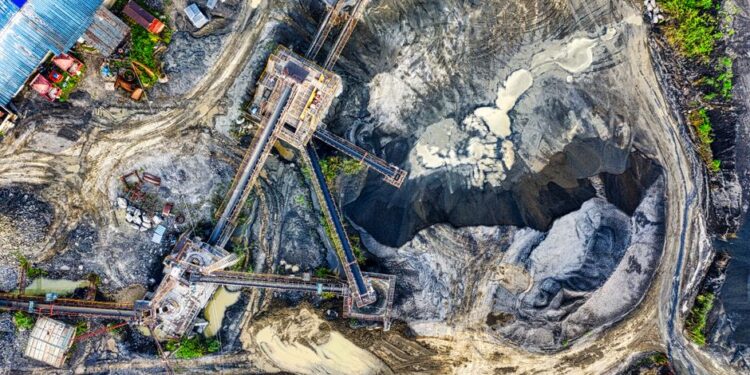
India's Uranium Corporation of India Limited (UCIL) aims to double its uranium production by 2036 through greenfield mining projects and innovative recovery methods.

India’s Uranium Corporation of India Limited (UCIL) announced plans to double its uranium production by 2036. This ambitious initiative involves four greenfield mining projects and a novel approach to recover uranium from copper mine residue. The announcement was made during a media workshop held in Jaduguda on October 4 and 5, 2026, as part of UCIL’s diamond jubilee celebrations.
The strategy is part of India’s broader goal to enhance domestic uranium availability to support its growing nuclear power program. Currently, UCIL supplies about a third of the uranium required from domestic sources, and this expansion could significantly impact job opportunities in the mining sector. As noted by The Hindu, the initiative is not only about increasing production but also about ensuring that the mining process aligns with sustainable practices, reflecting a commitment to environmental stewardship.
Increased Demand for Uranium Mining Engineers
With UCIL’s plans to double uranium output, the demand for uranium mining engineers is expected to rise sharply. The proposed greenfield projects, particularly the mining facility at Rohil in Rajasthan, will require a skilled workforce capable of managing advanced mining technologies and processes. This facility is designed to process 2,500 tonnes of uranium ore daily, indicating a substantial increase in operational capacity.
Moreover, the initiative to extract uranium from copper mine tailings, in collaboration with Hindustan Copper Limited (HCL), presents a unique opportunity for engineers. This process not only aims to lower mining costs but also aligns with sustainable practices, which are becoming increasingly important in the industry. As mining operations evolve, engineers who can adapt to these new methods will be highly sought after. According to the Hindustan Times, this collaboration is expected to enhance resource recovery and reduce waste, marking a significant step towards a circular economy in the mining sector.
These professionals will need to be proficient in modern extraction techniques, environmental management, and the latest mining technologies.
Career Ahead’s analysis finds that the shift towards greenfield mining and the recovery of uranium from copper residue will necessitate new skill sets for mining engineers. These professionals will need to be proficient in modern extraction techniques, environmental management, and the latest mining technologies. This trend suggests that educational institutions may need to revise curricula to prepare future engineers for these emerging demands. Furthermore, the focus on sustainability could lead to the creation of specialized roles within the mining sector, such as environmental compliance officers and sustainability coordinators, further enhancing job prospects for new graduates.
You may also like
 Industry & Global Trends
Kalshi launches perpetual futures tied to US 500 stock index
Kalshi has introduced perpetual futures contracts linked to its US 500 index, allowing traders to hold positions indefinitely without expiration, marking a significant shift in…
Read More →As UCIL ramps up its operations, it is likely that the company will also focus on hiring practices that prioritize sustainability and innovation. This shift could lead to the creation of specialized roles within the mining sector, such as environmental compliance officers and sustainability coordinators, further enhancing job prospects for new graduates. The emphasis on technological integration in mining processes will also require engineers to be adept at using data analytics and automation to streamline operations.
Opportunities for Environmental Scientists in Sustainable Mining
The expansion of UCIL’s operations presents significant opportunities for environmental scientists as well. The focus on sustainable practices, particularly through the recovery of uranium from copper residue, highlights the need for professionals who can ensure that these processes comply with environmental regulations and standards. Environmental scientists will play a crucial role in assessing the environmental impact of mining activities and developing strategies to mitigate any negative effects.
Their expertise will be essential in monitoring waste management practices, particularly since UCIL plans to return the remaining waste from the copper tailings back to HCL. This circular economy approach not only enhances resource efficiency but also reduces environmental footprints. As highlighted by Telangana Today, the collaboration between UCIL and HCL is a pioneering effort that could set a precedent for future mining operations, emphasizing the importance of partnerships in achieving sustainability goals.
This partnership could serve as a model for future initiatives, emphasizing the growing importance of teamwork in addressing environmental challenges in the mining sector.
Additionally, as the nuclear power program expands, the demand for environmental assessments and compliance checks will increase. This trend underscores the importance of integrating environmental considerations into mining operations, creating a robust demand for environmental scientists who can navigate the complexities of regulatory frameworks. Career Ahead research identifies that the integration of sustainable practices in mining is not just a trend but a necessary evolution. Environmental scientists who can contribute to this shift will find themselves in high demand, particularly as companies like UCIL prioritize sustainability in their operational strategies.
You may also like
 Industry & Global Trends
Informa to Buy Events Firm from Blackstone for £2.2 Billion
The deal is part of a broader trend of consolidation within the events sector, where major players are increasingly seeking to merge resources and expand…
Read More →Furthermore, the collaboration between UCIL and HCL exemplifies how mining companies can work together to enhance sustainability while also increasing production. This partnership could serve as a model for future initiatives, emphasizing the growing importance of teamwork in addressing environmental challenges in the mining sector. As UCIL’s operations expand, the role of environmental scientists will become increasingly vital in ensuring that mining activities are conducted responsibly and sustainably.
UCIL’s plans also indicate a potential shift towards innovative mining technologies. The focus on extracting uranium from copper mine residue suggests that the company is investing in research and development to enhance recovery methods. This could lead to the adoption of new technologies that improve extraction efficiency and reduce operational costs. As these innovations unfold, mining engineers will need to stay informed about the latest advancements in mining technology. This will not only involve technical knowledge but also an understanding of how to implement these technologies in a way that aligns with sustainability goals. The demand for engineers who can integrate new technologies into existing systems will likely grow.
Career Ahead’s analysis shows that the integration of technology in mining processes can lead to significant cost savings and increased productivity. For example, the use of advanced data analytics and automation can streamline operations, making it easier for companies to manage their resources effectively. Moreover, as the mining industry faces increasing scrutiny over its environmental impact, companies that invest in innovative technologies may gain a competitive edge. This trend could encourage more mining firms to adopt similar practices, leading to a broader shift in the industry towards sustainable mining.
In light of these developments, professionals in the mining sector should keep a close watch on technological advancements and their implications for job roles and responsibilities. The next few years could see a transformation in the skills required for success in uranium mining as the industry adapts to new challenges and opportunities. As UCIL’s ambitious plans unfold, the mining sector may experience a significant transformation, with increased job opportunities and a stronger emphasis on sustainability and innovation. The future of uranium mining in India looks promising, but it will depend on the industry’s ability to adapt and embrace new technologies.
In light of these developments, professionals in the mining sector should keep a close watch on technological advancements and their implications for job roles and responsibilities.
Frequently Asked Questions
What new technologies are being implemented in uranium mining?
Career Ahead’s analysis indicates that UCIL is focusing on innovative recovery methods, particularly in extracting uranium from copper mine residue. This involves advanced mining technologies that enhance efficiency and sustainability.
How can environmental scientists contribute to sustainable mining practices?
Environmental scientists play a crucial role in ensuring that mining operations comply with environmental regulations. They assess the environmental impact of mining activities and develop strategies to mitigate negative effects, particularly in the context of UCIL’s sustainable practices.

What skills will be in demand for uranium mining engineers in the next decade?
You may also like
 Industry & Global Trends
Bolsonaro Surge in Brazil Opens Door to Commodities Trade Shift
Bolsonaro's electoral victory has sparked optimism in Brazil's financial markets, with significant implications for the commodities trade sector.
Read More →As UCIL expands its operations, mining engineers will need skills in modern extraction techniques, environmental management, and the latest mining technologies. The focus on sustainability will also require engineers to adapt to new operational practices.