No products in the cart.

UK banks blocked from cyber AI tool Mythos get offer from rival OpenAI
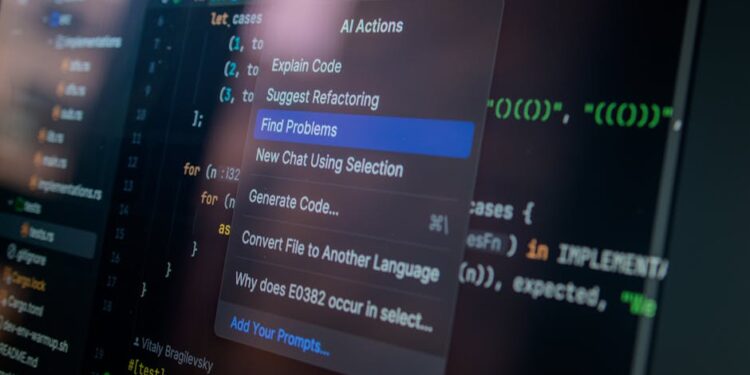
The banks gaining access include Lloyds Banking Group, HSBC, and Nationwide, while NatWest and Santander are already utilizing the tool under existing agreements. This shift highlights the competitive

OpenAI has offered nine major UK banks access to its cybersecurity AI tool, GPT-5.5 Cyber, after Anthropic’s Claude Mythos blocked them from using its advanced capabilities. This development, announced on June 1, 2026, comes at a crucial time as banks seek to enhance their cybersecurity measures in light of evolving digital threats.
The banks gaining access include Lloyds Banking Group, HSBC, and Nationwide, while NatWest and Santander are already utilizing the tool under existing agreements. This shift highlights the competitive landscape in AI cybersecurity solutions and the pressing need for robust defenses against potential vulnerabilities.
OpenAI’s GPT-5.5 Cyber: A Game Changer for Banking Security
OpenAI’s GPT-5.5 Cyber is designed to identify hidden security weaknesses within digital systems, a task that is becoming increasingly critical for financial institutions. As noted by the AI Security Institute, both Mythos and GPT-5.5 Cyber exhibit similar performance levels in cybersecurity tasks, which could lead to significant changes in how banks approach their security protocols.
With the ability to process vast amounts of code quickly, GPT-5.5 Cyber can uncover vulnerabilities that human analysts might miss. This capability is particularly vital for banks operating on legacy systems, which often contain outdated code that could be exploited by cybercriminals. The speed and thoroughness of AI tools like GPT-5.5 Cyber mean that banks can address security issues more rapidly than before. Recent reports indicate that cyberattacks on financial institutions have surged, prompting a reevaluation of existing security measures.
However, the introduction of AI tools also raises concerns about false positives, where the system may flag benign code as a potential threat. Experts emphasize the importance of maintaining a human oversight component in the cybersecurity process to validate the findings of AI systems. This blend of AI efficiency and human expertise is likely to define the future of cybersecurity in banking.
There will be a growing demand for cybersecurity specialists who can work alongside AI technologies, ensuring that the tools are effectively integrated into existing security frameworks.
Shifts in Workforce Dynamics
You may also like
 AI & Technology
Sequoia Capital's $10 Billion Plan for the AI Economy
Sequoia Capital's $10 billion investment plan aims to reshape the AI economy by supporting startups and creating jobs across various sectors, reflecting a growing confidence…
Read More →The shift towards AI-based cybersecurity tools like GPT-5.5 Cyber will compel banks to rethink their hiring strategies. There will be a growing demand for cybersecurity specialists who can work alongside AI technologies, ensuring that the tools are effectively integrated into existing security frameworks. This evolution in workforce requirements is vital as banks strive to keep pace with the rapid advancements in cyber threats and the technologies designed to combat them.
Competitive Tensions in AI Cybersecurity
The competition between OpenAI and Anthropic over cybersecurity tools reflects a broader trend in the tech industry. As financial institutions increasingly rely on AI to bolster their defenses, the rivalry between these two firms will likely intensify. OpenAI’s willingness to provide access to its tool in the UK, as well as in other regions like the EU and Canada, positions it as a formidable player in the cybersecurity space.
In contrast, Anthropic’s cautious approach to granting access to Mythos has raised concerns among finance ministers and central bankers, who worry that limiting access could hinder the ability of banks to protect themselves against emerging threats. The tension between the need for advanced security tools and the potential risks associated with their use highlights the challenges facing the financial sector.

Future Considerations for Banking Cybersecurity
As AI tools become more prevalent in banking cybersecurity, institutions will need to navigate the complexities of integrating these technologies into their operations. This includes ensuring compliance with regulatory frameworks and addressing ethical considerations surrounding AI use. The ongoing dialogue about the implications of AI in finance will shape the future of the industry.
In light of these changes, banks are likely to invest more in training programs for their cybersecurity teams. This investment will be crucial for ensuring that staff are equipped to leverage AI tools effectively and respond to potential threats in real time. The integration of AI solutions like GPT-5.5 Cyber could lead to a transformative shift in how cybersecurity is approached, potentially reshaping the landscape of financial security.
Future Considerations for Banking Cybersecurity As AI tools become more prevalent in banking cybersecurity, institutions will need to navigate the complexities of integrating these technologies into their operations.
The future of AI in banking cybersecurity is poised for significant evolution. As OpenAI’s GPT-5.5 Cyber becomes integrated into the operations of major UK banks, the effectiveness of this tool will be closely monitored. Its performance could set a precedent for how AI technologies are utilized in financial services moving forward.
You may also like
 AI & Technology
Singapore's DBS CEO Sees AI Costs Falling in ‘Token Paradox’
The implications of this development are significant for banking executives and financial analysts. As AI technologies become more cost-effective, financial institutions may need to rethink…
Read More →
Moreover, the ongoing competition between OpenAI and Anthropic will likely drive further advancements in AI capabilities. As both companies seek to outperform each other, banks could benefit from improved tools that enhance their cybersecurity measures. This rivalry may also lead to more collaborative efforts in the industry to establish best practices for AI use in security.
As banks adapt to these new technologies, it will be essential to watch how they balance innovation with risk management. The integration of AI tools like GPT-5.5 Cyber could lead to a transformative shift in how cybersecurity is approached, potentially reshaping the landscape of financial security.
Frequently Asked Questions
What are the benefits of using OpenAI’s AI tool for banking executives?
OpenAI’s GPT-5.5 Cyber offers banking executives a powerful tool for identifying vulnerabilities in their digital systems, enhancing overall security. This tool can process vast amounts of code quickly, allowing banks to address potential threats more efficiently than traditional methods.
Banking technology executives should consider the integration process, ensuring that their teams are trained to work with the new AI tool effectively.
How can cybersecurity specialists assess the effectiveness of OpenAI’s AI in finance?
Cybersecurity specialists can evaluate the effectiveness of OpenAI’s AI by conducting thorough testing and validation of its findings. By comparing the AI’s performance with human analysis, they can determine its reliability and accuracy in identifying security weaknesses.

What should banking technology executives consider when transitioning from Mythos to OpenAI’s solution?
Banking technology executives should consider the integration process, ensuring that their teams are trained to work with the new AI tool effectively. They must also assess the potential benefits and limitations of OpenAI’s solution compared to Mythos to make informed decisions about their cybersecurity strategies.
You may also like
 AI & Technology
Microsoft Expands India Data Center with Adani, HDFC
Microsoft has launched its largest data center in India, enhancing cloud service capabilities and creating new job opportunities in the tech sector.
Read More →