No products in the cart.

UK’s Great Western Railway Returns to Public Ownership
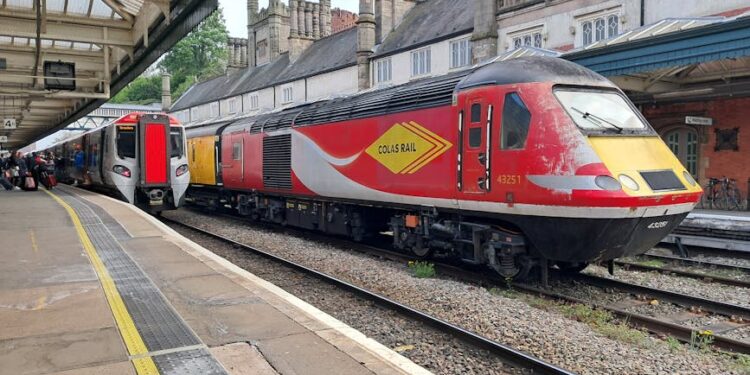
Great Western Railway will be nationalised on December 13, reflecting a shift in the UK's rail policy. This move impacts passengers, jobs, and the economy.


UK — Great Western Railway (GWR) is set to be nationalised on December 13, marking a significant shift in the UK rail landscape. The government announced this date as part of its broader plan to return passenger rail services to public ownership. This decision comes after over 30 years of private operation, primarily under First Group. GWR will be the 11th train operator to be nationalised since the Labour government took office in 2024.
The nationalisation is part of a government initiative aimed at simplifying rail operations and ensuring that passenger needs are prioritized over shareholder profits. According to the Department for Transport (DfT), this move is a step closer to establishing Great British Railways, a new public body that will oversee the rail network. The DfT stated, “This is another significant moment for the government’s flagship public ownership programme.”
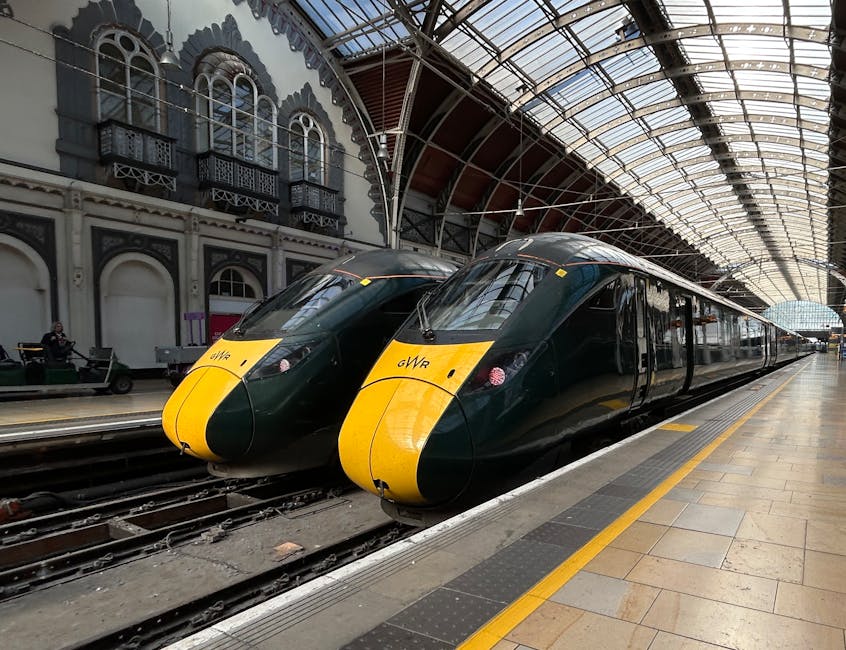
As part of the transition, GWR has collaborated with the DfT in recent years to upgrade services and introduce new trains. The company connects major cities and regions, including services from Paddington station to the west of England and south Wales. This nationalisation is expected to enhance service reliability and efficiency, benefiting passengers across the network.
Impact on Passengers and Services
The nationalisation of GWR is anticipated to bring changes that will directly affect passengers. With the government taking control, there is hope for improved service standards and customer satisfaction. The focus will shift from profit-making to providing better services for commuters and travelers. This could include more frequent trains, better maintenance, and enhanced customer service.
Moreover, the integration of GWR into the public sector could lead to a more coordinated approach to rail transport across the country. Instead of multiple private companies operating independently, a unified public entity could streamline operations, potentially reducing delays and cancellations. Passengers may see a more cohesive travel experience as a result.
Employees may face uncertainty regarding job security and changes in management.
However, the transition will not be without challenges. There are concerns about the immediate effects on staffing and operations during the handover period. Employees may face uncertainty regarding job security and changes in management. The government has stated that it aims to minimize disruptions, but the actual impact will depend on the execution of the transition.
You may also like
 Government & Policy
SEBI Alerts Investors on Anonymous Tips, Finfluencers
Project Jagrook aims to combat the influence of anonymous financial advisors and so-called "finfluencers," who often provide misleading advice to unsuspecting retail investors.
Read More →Broader Economic Implications
The nationalisation of GWR also carries significant economic implications. By returning the railway to public ownership, the government aims to reinvest profits back into the rail system rather than distributing them to shareholders. This could lead to increased funding for infrastructure projects and improvements, potentially boosting the economy in the long term.
According to a report by bbc.co.uk, the renationalisation could result in better financial management within the rail sector. With government oversight, there may be more accountability and transparency in how funds are allocated and spent. This could ultimately lead to a more sustainable rail system that meets the needs of both passengers and the economy.
Additionally, the shift to public ownership could influence job creation within the sector. As the government invests in upgrading services and infrastructure, new job opportunities may arise. This is particularly relevant for young professionals and those entering the workforce, as the rail industry seeks skilled workers to support its modernization efforts.
Political Context and Future Developments
The decision to nationalise GWR is rooted in a broader political context. Since the Labour government took power in 2024, there has been a clear mandate to return rail services to public ownership. This reflects a growing sentiment among the public that private companies have not adequately served passenger interests. The government’s commitment to this policy is evident as it moves forward with the planned nationalisation.
As reported by britbrief.co.uk, the nationalisation of GWR is part of a larger trend in the UK rail industry. Other major operators, such as Govia Thameslink Railway, are also transitioning to public ownership. This collective shift signifies a significant change in how rail services are managed and operated in the UK.
Political Context and Future Developments The decision to nationalise GWR is rooted in a broader political context.
You may also like
 Industry & Global Trends
Mergers Reshape Automation Careers at Schneider Electric
Schneider Electric's aggressive investments in automation are reshaping the industry landscape in Europe. This shift is set to create significant job opportunities for automation engineers…
Read More →Looking ahead, the successful implementation of GWR’s nationalisation could set a precedent for further reforms in the rail sector. If the government can demonstrate improvements in service and passenger satisfaction, it may pave the way for additional nationalisations of other rail companies. This could reshape the entire landscape of public transport in the UK.
Challenges Ahead for the Nationalisation Process
Despite the optimistic outlook, the nationalisation process for GWR will face several challenges. One major concern is the integration of GWR’s operations with the existing rail infrastructure managed by Network Rail. Coordinating these two entities effectively will be crucial to ensure seamless service for passengers.
Furthermore, there are questions about how quickly improvements can be made once GWR is under public ownership. While the government has ambitious plans for the rail network, the reality of implementing these changes can be complex and time-consuming. Stakeholders will be watching closely to see how the transition unfolds.
Another challenge is managing public expectations. As the government promotes the benefits of nationalisation, it must also address any potential shortcomings that arise during the transition. Transparency and communication will be key to maintaining public trust and ensuring that passengers feel confident in the changes being made.
The coming months will be crucial in shaping the future of rail travel in the UK.
Why This Matters to You
The nationalisation of GWR will impact millions of passengers across the UK. As services shift back to public ownership, there is potential for improved travel experiences and better service reliability. This change may also influence job opportunities in the rail sector, particularly for young workers entering the industry.
Looking Ahead: The Future of UK Rail
You may also like
 Industry & Global Trends
Sensex Surges 473 Points as Softer US Jobs Data Boosts Indian Market
The Indian stock market experienced a notable boost as the Sensex surged by 473 points and the Nifty gained 134 points, driven by softer-than-expected US…
Read More →The nationalisation of Great Western Railway marks a pivotal moment in the UK’s transport policy. As the government pushes forward with its plans, the effectiveness of this transition will be closely monitored. Will the move lead to the promised improvements in service and passenger satisfaction, or will it face hurdles that hinder progress? The coming months will be crucial in shaping the future of rail travel in the UK.