No products in the cart.

UK’s Great Western Railway Set for Public Ownership
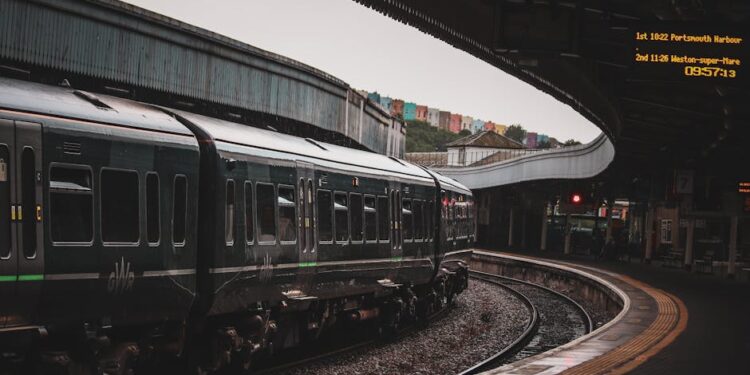
Great Western Railway will be renationalised by December 2026, a pivotal move for UK rail services. This decision aims to prioritize passenger needs over profit.


Renationalisation of Great Western Railway
Great Western Railway (GWR), a key train operator in the UK, is set to be renationalised by December 2026. This decision comes amid growing concerns about the efficiency and profitability of private rail services. According to BBC, the move aims to prioritize passenger needs over shareholder profits, marking a significant shift in the UK’s approach to rail transport.
The Department for Transport (DfT) has described this as a “significant moment” for the rail industry. GWR has been operating as a private entity for over two decades, managing routes between London, the south-west of England, and South Wales. The transition to public ownership is expected to enhance service reliability and improve infrastructure, as stated by GWR’s spokesperson.
Transport Secretary Heidi Alexander has emphasized that this change does not guarantee lower fares but will focus on improving overall service quality. The renationalisation reflects a broader trend in the UK, where several rail operators have already returned to public control, including services in Wales and Scotland.
Public Reaction and Political Context
The decision to renationalise GWR has garnered mixed reactions among stakeholders and the public. Many local leaders, including Helen Godwin, mayor of the West of England Combined Authority, have welcomed the news, highlighting the need for more frequent services to meet growing demand in the region. According to Timeout, this sentiment is shared by many who feel that public ownership could lead to better investment in rail infrastructure.
However, some critics argue that simply renationalising services may not solve deeper systemic issues within the UK rail network. Concerns about operational efficiency and funding remain prevalent. The debate continues over whether public ownership will truly enhance the passenger experience or simply shift the burden of inefficiency from private to public hands.
However, some critics argue that simply renationalising services may not solve deeper systemic issues within the UK rail network.
The political backdrop is also crucial. The UK government has faced increasing pressure to address the shortcomings of the rail system, particularly in light of rising fares and service disruptions. The renationalisation of GWR is seen as a response to public outcry over these issues, reflecting a shift in political priorities towards more consumer-friendly policies.
Historical Perspective on Rail Privatisation
You may also like
 Government & Policy
NPS Retirement Income: Payouts and Investment Strategies
The NPS Retirement Income Scheme introduces significant changes to how retirees access their funds. This analysis explores the implications for retirement income and annuity options,…
Read More →The privatisation of British Rail in the 1990s marked a significant turning point in the UK rail industry. Initially intended to enhance competition and improve services, the move led to a fragmented system with varying levels of service quality. Since then, numerous operators have come and gone, with many struggling to maintain profitability while meeting passenger needs.
GWR has been a notable player in this landscape, providing essential services across a wide geographic area. However, the challenges faced by the operator, including delays and rising costs, have prompted calls for a reassessment of the privatisation model. The recent history of rail nationalisation in Wales and Scotland serves as a backdrop for this latest development, showcasing a potential path forward for improving rail services.
Implications for Employment and Local Economies
The renationalisation of GWR is expected to have significant implications for employment within the rail sector. Many workers are hopeful that public ownership will lead to more stable jobs and better working conditions. According to The Guardian, the transition may also involve reassessing wage structures and employment practices to ensure fair compensation for rail workers.
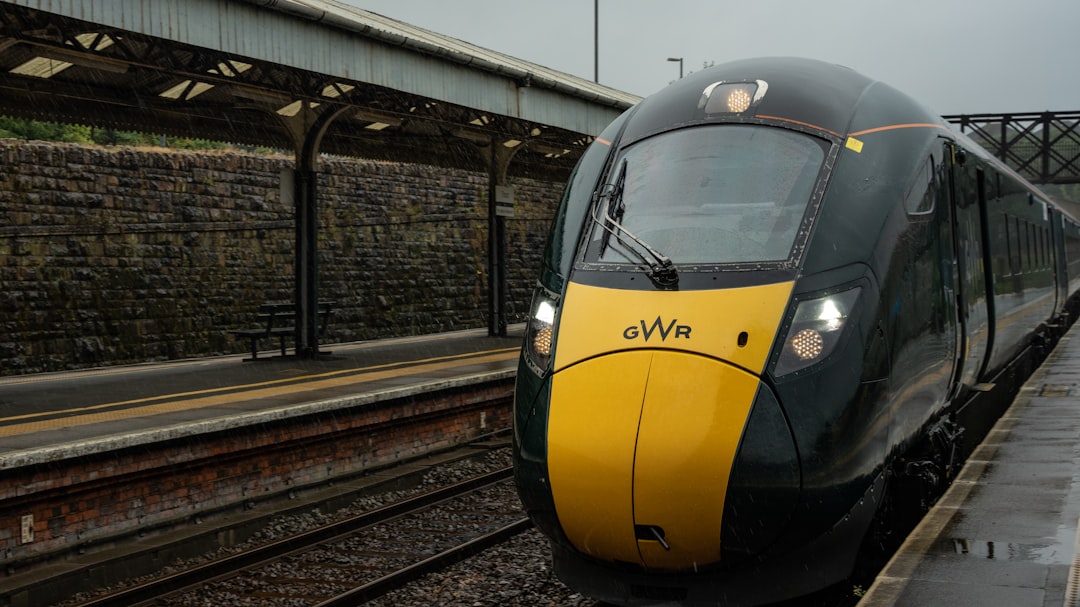
Local economies that depend on GWR services may also experience changes. Improved rail services could enhance connectivity, making it easier for residents to access employment opportunities and services. This is particularly important for regions in the south-west, where public transport options have historically been limited.
The recent history of rail nationalisation in Wales and Scotland serves as a backdrop for this latest development, showcasing a potential path forward for improving rail services.
Moreover, the focus on infrastructure investment could stimulate economic growth in these areas. As GWR transitions to public ownership, there is potential for increased funding directed towards expanding services and upgrading facilities, benefiting both local communities and the broader economy.
Future of Rail Travel in the UK
For passengers, the renationalisation of GWR could signify a new era of rail travel in the UK. The commitment to prioritizing passenger needs over profits suggests that improvements in service quality may be on the horizon, including potential enhancements in punctuality, frequency of services, and overall customer satisfaction.
However, the transition will not be without challenges. Ensuring a smooth shift from private to public ownership will require careful planning and execution. Stakeholders will need to work collaboratively to address any operational disruptions during the transition period.
You may also like
 Industry & Global Trends
The Impact of New Leadership on Warner Studios’ Production Plans
The recent leadership change at Warner Studios, involving the integration of Paramount executives, is set to reshape production strategies and project approvals, signaling a shift…
Read More →
Ultimately, the success of this renationalisation will hinge on the government’s ability to implement effective strategies that genuinely improve the passenger experience. As the December deadline approaches, many will be watching closely to see how these changes unfold.