No products in the cart.

Iran War Costs Toyota £3bn as Material Prices Surge
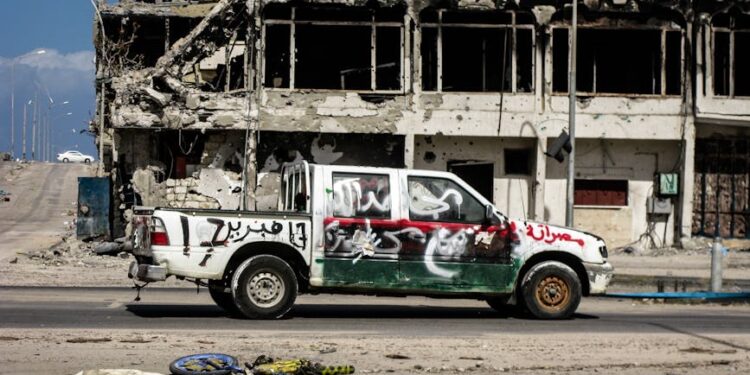
Toyota faces a £3bn hit from the ongoing Iran war, leading to soaring material costs and declining sales, as the company warns of continued financial strain.

Toyota Faces £3bn Loss Due to Iran Conflict
Toyota has reported a £3bn loss attributed to the ongoing war in Iran, which has severely disrupted its operations. The conflict has resulted in soaring material costs and a significant decline in sales. For the financial year ending March 2027, Toyota anticipates a drop in profits for the third consecutive year, highlighting a troubling trend for the automotive giant.
The company disclosed a 400bn yen increase in material costs primarily linked to the Iranian conflict, alongside a 270bn yen loss from decreased sales. These figures underscore the profound impact of geopolitical instability on global business operations, particularly within the automotive sector.
According to reports from bnnbloomberg.ca, the fallout from the Iran war has placed immense pressure on Toyota’s suppliers, many of whom are struggling with rising costs and supply chain disruptions. As the world’s largest car manufacturer, Toyota’s challenges reflect broader issues faced by the industry.
Surge in Material Costs
The war in Iran has led to a sharp increase in the costs of essential materials for car manufacturing. Takanori Azuma, Toyota’s chief accounting officer, indicated that the company may struggle to fully offset the negative impact of the conflict, which amounts to approximately 670bn yen. This situation highlights the vulnerability of manufacturers to global events that disrupt supply chains.
Asian manufacturers are particularly affected due to their reliance on materials sourced from the Middle East. Reports suggest that 70% of Japan’s aluminium imports come from this region, making the automotive industry especially susceptible to fluctuations in availability and price. Automotiveworld.com emphasizes that disruptions in the supply chain are impacting not only Toyota but also its suppliers, leading to a ripple effect throughout the industry.
Despite a 2% increase in global sales, this growth was insufficient to offset the losses incurred due to the conflict in Iran.
Declining Sales Amid Rising Costs
In addition to rising material costs, Toyota has experienced a decline in sales, compounding its financial challenges. The company sold 9.6 million vehicles in the last fiscal year, with 50% being hybrid models. Despite a 2% increase in global sales, this growth was insufficient to offset the losses incurred due to the conflict in Iran.
You may also like
 Industry & Global Trends
Cygni Energy, Indus Towers Unite for Telecom Energy Storage
Cygni Energy and Indus Towers have signed a Memorandum of Understanding to develop energy storage solutions for telecom infrastructure, marking a significant step towards sustainability…
Read More →The sales decline can be attributed to various factors, including heightened competition and shifting consumer preferences. As the automotive market increasingly transitions towards electric vehicles (EVs), Toyota’s slower adaptation to fully electric models may hinder its competitiveness. While the company sold 600,000 battery electric vehicles last year, this figure pales in comparison to competitors who are rapidly expanding their EV offerings.
According to asiatoday.co, the impact of the Iran war is reverberating across the automotive sector, with rising fuel costs and transportation expenses further straining profit margins. The combination of external pressures and internal challenges creates a precarious situation for Toyota as it seeks to maintain its market position.
Geopolitical Tensions and Their Impact
The geopolitical situation surrounding the Iran war has significant implications for the global automotive market. The closure of the Strait of Hormuz, a critical shipping lane, has disrupted the flow of goods and materials from the Middle East. This disruption has led to increased shipping costs and delays, complicating the supply chain for manufacturers like Toyota.
As tensions escalate, companies are compelled to adapt quickly to changing circumstances. Toyota’s leadership faces pressure to develop strategies that mitigate the impact of these external factors, which may involve diversifying supply sources or investing in alternative materials to reduce dependency on affected regions.
Toyota’s leadership faces pressure to develop strategies that mitigate the impact of these external factors, which may involve diversifying supply sources or investing in alternative materials to reduce dependency on affected regions.

Challenges Ahead for Toyota
Looking forward, Toyota faces a challenging landscape as it navigates the ongoing impact of the Iran war on its operations. The company has projected a decline in operating income for the upcoming year, estimating it will fall to 3 trillion yen, a drop of more than a quarter. This forecast reflects the ongoing challenges posed by rising material costs and declining sales.
As the automotive industry evolves, Toyota must adapt to remain competitive. The shift towards electric vehicles is accelerating, and companies that fail to keep pace risk losing market share. Toyota’s focus on hybrid models may not suffice in the long run, especially as consumer preferences shift towards fully electric options.
You may also like
 Entrepreneurship & Business
Marico Boosts Plix Stake to 84.09%; Q2 Revenue Surge Ahead
Marico has increased its stake in Satiya Nutraceuticals to 84.09%, a strategic move expected to enhance revenue growth amid rising consumer demand for health-focused products.…
Read More →The company’s ability to manage costs and maintain production levels will be crucial in the coming months. With ongoing geopolitical tensions, the question remains: how will Toyota respond to these challenges and ensure its long-term viability in a rapidly changing market?