No products in the cart.

UN Advocates for AI Governance Amidst Opportunity Gaps

The United Nations is set to launch the first Global Dialogue on AI Governance, addressing the urgent need for equitable AI access across the globe. As AI adoption rates diverge between the Global North and South, the UN aims to create frameworks that ensure fair use and innovation in AI technologies.

The United Nations will launch the first Global Dialogue on AI Governance in Geneva on July 6, 2026. This initiative aims to build a global agreement on the fair use of artificial intelligence (AI) technologies. As AI capabilities grow quickly, the UN highlights the urgent need for governance frameworks. These frameworks will ensure fair access to AI innovations across various regions.
This dialogue comes at a crucial time. AI companies are increasingly asking for government involvement to create regulations. Key figures in the AI industry, like Sam Altman from OpenAI and Dario Amodei from Anthropic, stress the need for guidelines to manage AI’s growing power. The UN’s initiative responds to these calls. It aims to create a structured approach to AI governance that includes many stakeholders.
Addressing the AI Opportunity Divide
As the UN prepares for its dialogue, it will examine the gap in AI innovation between the Global North and South. Recent data shows that AI adoption in the Global North is nearly twice as fast as in the Global South. For example, Microsoft’s Global AI Adoption Report reveals that the Global North rapidly integrates AI technologies. In contrast, the Global South faces challenges with infrastructure, funding, and skills that limit its ability to use AI effectively.
Dr. Claire Melamed, vice president of AI and Digital Cooperation Strategy at the UN Foundation, states that innovation exists everywhere, but opportunity does not. This highlights the need to tackle systemic barriers that block equitable access to AI technologies. The UN’s initiative aims to engage governments, civil society, and industry leaders to design frameworks that bridge this gap.
In contrast, the Global South faces challenges with infrastructure, funding, and skills that limit its ability to use AI effectively.
You may also like
 Government & Policy
MSMEs Demand Action on Rising Steel and Metal Prices
Rising material costs have been a persistent issue for MSMEs, which are already grappling with higher prices for diesel, furnace oil, and LPG.
Read More →The dialogue will also identify key areas where disparities are most evident. These include access to data, technological infrastructure, and educational resources. By addressing these issues, the UN hopes to create actionable strategies for policymakers. These strategies will ensure that AI empowers rather than excludes people. A report by the National Science Foundation shows that the opportunity gap is not just a tech issue; it is also a socio-economic one. Regions with limited resources face extra challenges in adopting AI technologies.
Career Ahead’s analysis suggests that the UN’s focus on inclusive AI governance could lead to new regulations. These regulations may prioritize equitable access and increase investments in AI infrastructure in underrepresented regions. This shift could enhance their ability to innovate and compete globally. The UN’s initiative is not only about technology; it aims to create a level playing field. This way, every region can benefit from AI, fostering a more inclusive global economy.
The Role of Policy Makers and AI Ethics Researchers
The UN’s AI governance initiative has significant implications for policymakers and AI ethics researchers. As discussions progress, these stakeholders must align their efforts with the UN’s recommendations. They need to address the ethical implications of AI technologies. Emphasizing ethical AI practices may reshape AI development and deployment.
Emphasizing ethical AI practices may reshape AI development and deployment.
Policymakers should consider how upcoming regulations can reflect safe, trustworthy, and human-centric AI principles. The UN’s dialogue offers a chance for these leaders to discuss the trade-offs in AI governance. This ensures diverse perspectives are included in decision-making. An article from The Hill highlights that integrating ethical considerations into AI policy is crucial for building public trust and ensuring AI serves the common good.
You may also like
 Government & Policy
SEBI Alerts Investors on Anonymous Tips, Finfluencers
Project Jagrook aims to combat the influence of anonymous financial advisors and so-called "finfluencers," who often provide misleading advice to unsuspecting retail investors.
Read More →AI ethics researchers will play a key role in analyzing the implications of these regulations. Their work will clarify the potential risks and benefits of various governance frameworks. By providing evidence-based insights, researchers can help policymakers create regulations that promote innovation while protecting public interests. Collaboration between these two groups is essential. Together, they can navigate the complexities of AI governance and develop more effective policies.
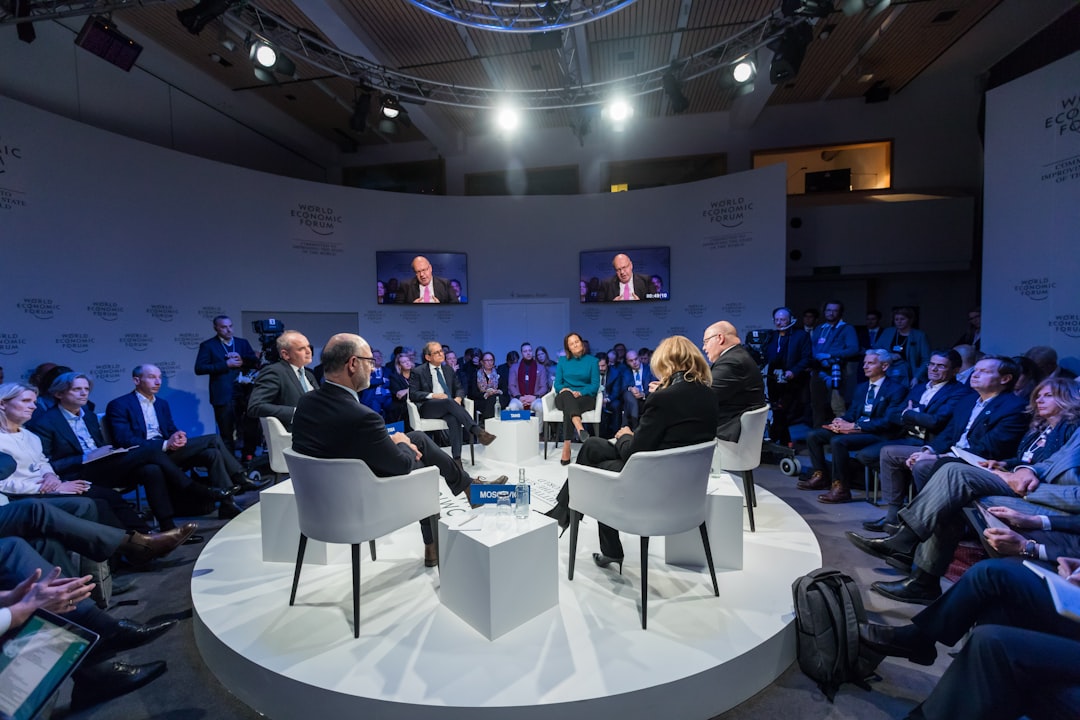
As the UN dialogue continues, the partnership between policymakers and researchers will be vital. Their collaboration will shape a future where AI technologies are developed and used responsibly. The outcome of this initiative may set a global precedent for AI governance, influencing policies for years. The UN’s initiative serves as a platform for dialogue among stakeholders. It ultimately aims to create a more equitable AI landscape. The potential for new roles and responsibilities for policymakers and researchers focused on ethical AI practices is significant as they work on effective governance frameworks.
As the world watches the Global Dialogue on AI Governance, one question remains: how will these discussions shape the future of AI and its role in society? The answers could redefine the relationship between technology and humanity. This could lead to a more inclusive approach to AI development and deployment.
The UN’s AI governance initiative encourages policymakers to adopt frameworks that prioritize equitable access to AI technologies.
Frequently Asked Questions
What are the implications of UN AI governance for technology policymakers?
The UN’s AI governance initiative encourages policymakers to adopt frameworks that prioritize equitable access to AI technologies. This shift may lead to new regulations aimed at addressing disparities in AI innovation across regions.
How can AI ethics researchers align their work with UN recommendations?
AI ethics researchers can align their work with the UN’s recommendations by focusing on the ethical implications of AI technologies. They should provide evidence-based insights to guide policymakers in creating regulations that promote innovation while protecting public interests.

What should policymakers do to prepare for upcoming AI regulations?
Policymakers should engage in the UN’s dialogue on AI governance. This will help them understand the principles of safe, trustworthy, and human-centric AI. Such engagement will assist them in crafting regulations that reflect diverse perspectives and address the ethical implications of AI technologies.
You may also like
 Government & Policy
Pentagon Halts Anthropic AI Use After Blacklisting
The Pentagon has officially ceased using Anthropic's AI tools following the company's blacklisting due to national security concerns. This decision marks a significant shift in…
Read More →