No products in the cart.

UN and Google Unveil AI Data Platform for Global Stats

The UN's partnership with Google to create the UN System Data Commons marks a significant step in data accessibility. This platform will empower data scientists and policy analysts by providing AI-ready global statistics, fostering better analysis and decision-making processes.

The United Nations has partnered with Google to launch the UN System Data Commons, a groundbreaking initiative aimed at enhancing the accessibility of global statistics for both individuals and artificial intelligence systems. Announced on September 17, 2026, this platform integrates data from multiple UN agencies into a single, AI-ready system, fundamentally transforming how data can be searched and utilized.
One of the key features of the UN System Data Commons is its support for natural-language searches, which allows users to query data in a more intuitive manner. This is made possible through the implementation of the Model Context Protocol (MCP), enabling AI systems to retrieve data directly from UN sources. This significant upgrade replaces the older UNData portal, which relied heavily on traditional database searches that limited user interaction and accessibility.
Enhancing Data Integration Across UN Agencies
The UN System Data Commons is designed to facilitate the integration of statistics from various UN agencies, creating a unified framework for data sharing. At launch, data from nearly 20 agencies is available on the platform, with an ambitious goal of providing 80% of all statistical datasets within the UN system by 2027. This initiative responds to the increasing demand for accessible and accurate data, particularly as AI tools become more prevalent in data analysis.
A benchmark study conducted by UNICEF revealed that AI models often struggle with basic development statistics, achieving an average accuracy of only 21.2% across six tested models. This underscores the urgent need for reliable and easily accessible data sources. The UN’s initiative to create an AI-ready platform directly addresses this gap, making it easier for analysts to find accurate information and thereby improving the quality of data-driven decisions.
According to an analysis by Career Ahead, this partnership is poised to significantly impact data scientists and policy analysts by providing them with enhanced tools for analysis. With the ability to conduct natural-language queries, users can extract relevant data more efficiently, leading to more informed policy decisions and research outcomes. This streamlined access to global statistics has the potential to revolutionize data use in international development and policy-making.
A benchmark study conducted by UNICEF revealed that AI models often struggle with basic development statistics, achieving an average accuracy of only 21.2% across six tested models.
Empowering Analysts with Advanced Tools
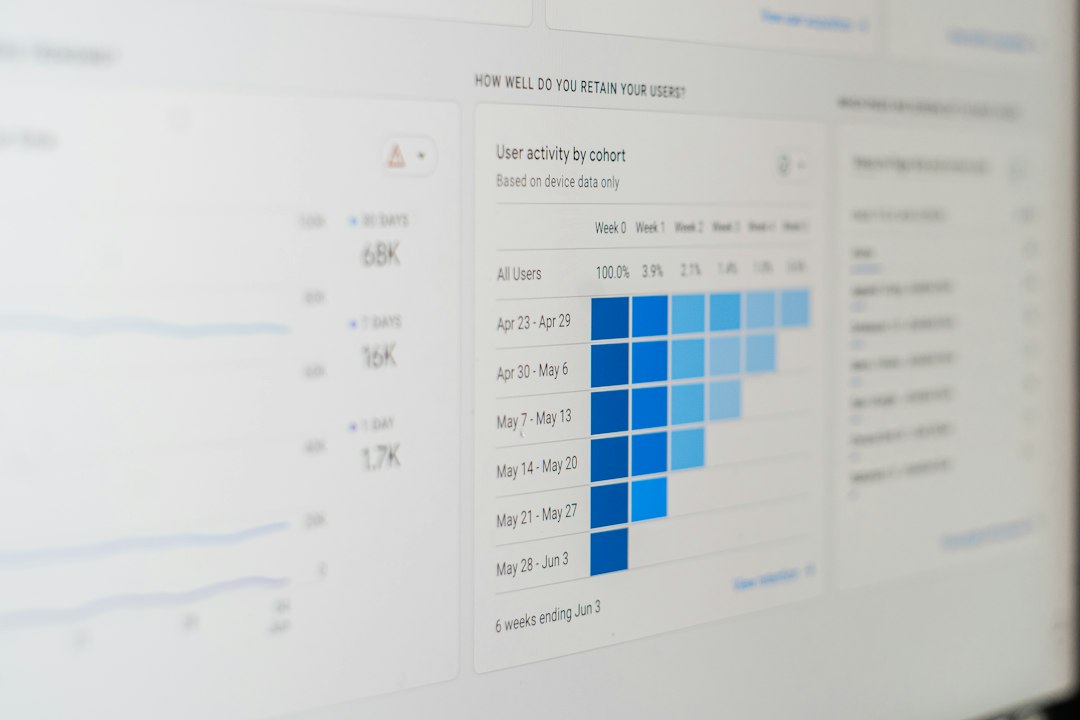
In addition to improving data accessibility, the Model Context Protocol allows AI agents to connect with external data sources, enabling the creation of graphs, dashboards, and written analyses based on multiple UN indicators. This capability empowers analysts to visualize data trends and insights more effectively, fostering a deeper understanding of global issues.
The UN System Data Commons also presents an opportunity for collaboration between the technology and policy sectors. Data scientists can work alongside policy analysts to leverage AI tools for impactful analysis, contributing to better governance and development outcomes. The platform’s design encourages cross-disciplinary engagement, which is essential for addressing complex global challenges.
Setting New Standards for Data Accessibility
The launch of the UN System Data Commons represents not only a technological advancement but also a shift in how global statistics are perceived and utilized. By making data more accessible, the UN and Google are setting a precedent for other organizations, potentially inspiring similar partnerships that prioritize data accessibility and integration across various sectors.
Google’s involvement in this project extends beyond technical support; the company has committed $2 million in grants and technical assistance to bolster the platform’s infrastructure. This investment highlights Google’s recognition of the critical role that data plays in shaping global policies and addressing pressing issues such as poverty, health, and education.
Moreover, the UN’s emphasis on integrating data from multiple agencies underscores the necessity of collaboration to achieve the Sustainable Development Goals (SDGs). By 2030, the UN aims to significantly improve data availability and quality, which is crucial for tracking progress on these goals. The UN System Data Commons is a pivotal step in this direction, enabling stakeholders to access and analyze data more effectively.
This investment highlights Google’s recognition of the critical role that data plays in shaping global policies and addressing pressing issues such as poverty, health, and education.
Implications for the Future of Data Science
As data scientists and policy analysts begin to utilize the platform, it will be essential to monitor its impact on global policy-making. Access to accurate and timely data can lead to more effective strategies and interventions. This initiative may also encourage other organizations to invest in data accessibility, promoting transparency and accountability in their operations.
The implications of this partnership extend to the job market as well. Data scientists and policy analysts will need to adapt to this new environment, developing skills to effectively utilize AI tools. As AI continues to play a larger role in data analysis, professionals in these fields must stay informed about technological advancements and integrate them into their work.
Looking ahead, the success of the UN System Data Commons will depend on maintaining high data quality and fostering user engagement. As more users interact with the platform, feedback will be crucial for future developments. This initiative has the potential to significantly transform global data access and analysis, with its long-term impact on policy-making and international development warranting close observation.

Frequently Asked Questions
How can data scientists utilize the new UN-Google data platform?
Data scientists can leverage the UN System Data Commons by making natural-language queries to access a wide range of global statistics. This platform enables them to conduct more efficient analyses and generate insights that inform policy decisions.
What skills should data scientists develop to work effectively with AI-ready data platforms?
What are the implications of the UN’s partnership with Google for policy analysts?
The partnership enhances data accessibility for policy analysts, allowing them to easily retrieve accurate statistics from various UN agencies. This improved access can lead to more informed policy-making and effective interventions in international development.

What skills should data scientists develop to work effectively with AI-ready data platforms?
Data scientists should focus on developing skills in natural-language processing and data visualization. These competencies will enable them to effectively utilize AI-ready data platforms like the UN System Data Commons, allowing them to extract and present insights from complex datasets.
Written by Career Ahead AI. AI can make mistakes, so verify key facts. Report errors to support@careeraheadonline.com.