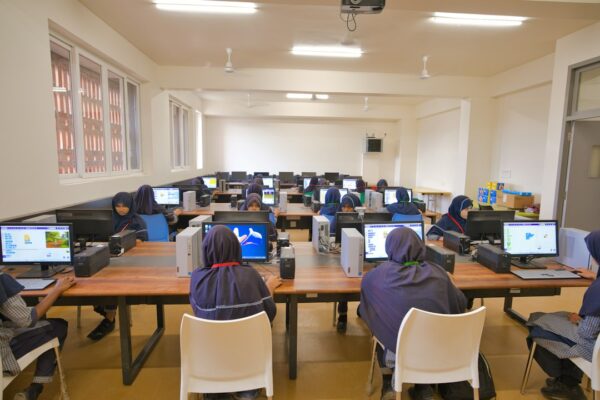
Recent clashes between Afghanistan and Pakistan have disrupted education for around 12,000 Afghan children. This situation raises concerns about the future of education in conflict zones.
Escalating Tensions on the Afghanistan-Pakistan Border
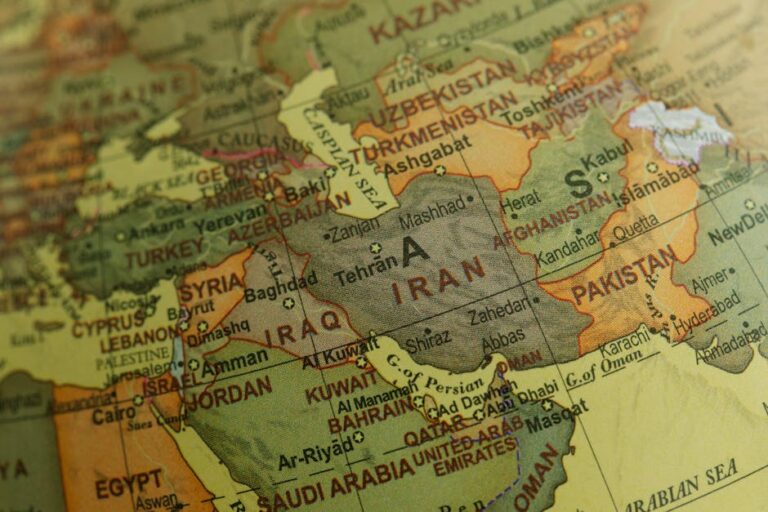
Clashes between Afghanistan and Pakistan have intensified, resulting in significant disruptions to education. According to the United Nations, approximately 12,000 Afghan children in border areas have been affected, particularly in Kunar province. Reports indicate that at least 22 schools have been damaged or destroyed, leaving thousands without access to classrooms or educational resources.
The violence stems from long-standing tensions between the two nations, with recent incidents escalating to exchanges of fire and airstrikes. Local media, including Khaama Press, reported that these clashes have displaced families and created a humanitarian crisis. Many children are now unable to continue their studies due to the destruction of educational facilities.
As the situation worsens, local educators express deep concern about the long-term impact on the children’s education. Schools that once provided essential services are now in ruins, and the prospect of recovery seems bleak. This crisis not only affects the immediate educational landscape but also poses challenges for the future of Afghanistan’s youth.
Humanitarian Crisis and Displacement
The ongoing conflict has led to a significant humanitarian crisis in Afghanistan, particularly in regions like Kunar. Families have been forced to flee their homes, seeking shelter in temporary camps. Reports indicate that these camps lack basic necessities, including food, clean water, and medical care, compounding the challenges faced by displaced families.
According to afintl.com, the humanitarian situation is dire, with many residents struggling to access essential services. The UN has called for international assistance to help those affected by the violence. The urgent need for humanitarian aid highlights the broader implications of the conflict, which extends beyond education to encompass health and safety concerns.
The lack of access to education during such formative years can have lasting effects on their development and future prospects.
Local communities are feeling the brunt of these clashes, with psychological impacts on children who are witnessing violence and instability. The lack of access to education during such formative years can have lasting effects on their development and future prospects. As the situation continues to evolve, the need for comprehensive support and intervention becomes increasingly critical.
International Response to the Crisis
The international community has begun to respond to the escalating crisis, with calls for peace and stability in the region. Organizations like the UN are actively seeking to provide support to those affected by the conflict. However, the effectiveness of these efforts remains uncertain amid ongoing violence.
Kumar linked policy success to institutional capacity, while industry examples show curricula and hiring tests shifting towards applied problem-solving.
According to britannica.com, Afghanistan has a complex history of conflict that complicates current humanitarian efforts. The long-standing political instability and the presence of various militant groups create a challenging environment for aid organizations. Despite these obstacles, there is a pressing need for coordinated international action to address both immediate and long-term needs.
Efforts to stabilize the region and restore access to education are crucial. International organizations are urged to prioritize educational initiatives in their aid strategies, focusing on rebuilding schools and providing learning materials. However, achieving these goals will require a sustained commitment from the global community.
International organizations are urged to prioritize educational initiatives in their aid strategies, focusing on rebuilding schools and providing learning materials.
Education as a Beacon of Hope
Education plays a vital role in conflict zones, serving as a beacon of hope for children and communities. It provides not only knowledge and skills but also a sense of normalcy amidst chaos. In Afghanistan, where educational opportunities have been severely limited due to conflict, the current situation poses a significant setback for future generations.
Access to education can empower children, equipping them with the tools needed to rebuild their communities. However, the destruction of schools and the displacement of families hinder these prospects. The UN emphasizes the importance of education in fostering resilience and recovery in conflict-affected areas.
As Afghanistan faces ongoing challenges, the international community must recognize the critical role of education in promoting peace and stability. Supporting educational initiatives can help mitigate the effects of conflict and pave the way for a brighter future for Afghan children.
Long-term Consequences for Afghan Youth
The current clashes and their impact on education will have long-term consequences for Afghan youth. With thousands of children out of school, the potential for an entire generation to be deprived of education looms large. This situation not only affects individual futures but also the broader socio-economic landscape of Afghanistan.
Addressing the educational needs of Afghan children is not just a humanitarian concern; it is essential for the country’s stability and development.
According to en.wikipedia.org, Afghanistan has faced numerous challenges in rebuilding its education system post-conflict. The recent violence threatens to reverse any progress made in recent years. Without immediate intervention, the cycle of poverty and instability may continue, further exacerbating the challenges faced by Afghan society.
Moreover, the lack of education can lead to increased recruitment into militant groups, as young people seek alternative paths. Addressing the educational needs of Afghan children is not just a humanitarian concern; it is essential for the country’s stability and development.
Written by Career Ahead AI. AI can make mistakes, so verify key facts. Report errors to support@careeraheadonline.com.
Career Ahead AI is Career Ahead Magazine's in-house AI newsroom, reporting on careers, education, jobs and business. It produces original summaries and analysis drawn from publicly available sources, with those sources credited, and operates under the editorial oversight of the Career Ahead team. AI can make mistakes, so please tell us when something looks wrong. Corrections, copyright or takedown requests…
India’s teenagers are beginning UPSC prep years before they’re eligible. Experts and toppers say the trick is balance—board grades, degree depth, answer-writing…


 Education & University Insights

Education & University Insights